Haworthia glauca
Origin of Name:
The genus Haworthia is named after Adrian Hardy Haworth (1767–1838), a pioneering British botanist and taxonomist renowned for his work on succulents, cacti, and other botanical groups. The species name glauca stems from the Latin “glaucus,” meaning “bluish-gray,” “metallic,” or “covered with a fine, powdery bloom,” which directly describes the plant’s characteristic foliage. The term glauca reflects the plant’s subtle, powdery bluish-green appearance that enhances its elegant, understated beauty.
Origin of Plant:
Haworthia glauca is native to South Africa’s semi-arid regions, particularly thriving on rocky slopes and cliffs with well-draining soils. It was first described by early botanists exploring the rich succulent flora of southern Africa. The plant’s resilience to drought and its distinctive coloration have made it a favorite among succulent enthusiasts worldwide. Its popularity surged with the rise of succulent cultivation in the late 20th and early 21st centuries, celebrated for its delicate, matte finish and compact form.
Description:
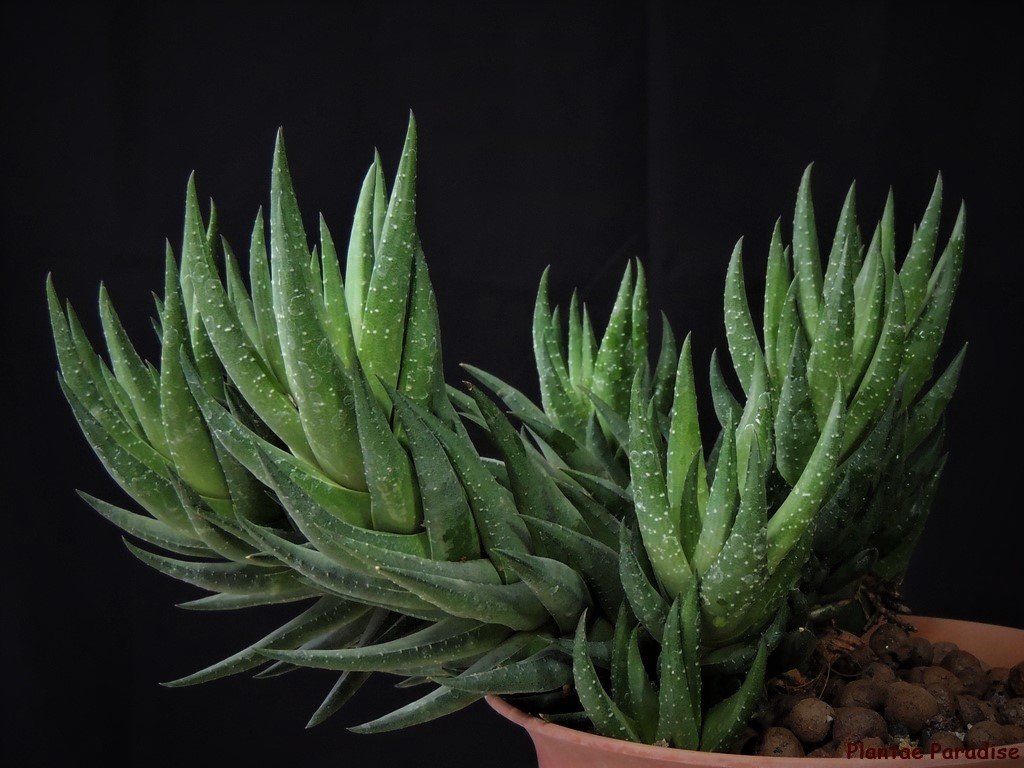
Haworthia glauca displays rosettes of fleshy, pointed leaves that form tight, symmetrical basal clusters. The leaves are usually bluish-green with a fine, powdery, matte coating — giving the appearance of frost or a soft, velvety surface. Tiny white or translucent tubercles, dots, or lines often decoratively adorn the leaf surface, adding intricate texture to its elegant form.
The plant’s compact size and aesthetic appeal make it an ideal choice for containers, rockeries, and indoor displays. While it typically remains low-growing, it occasionally produces slender flower stalks bearing tiny, tubular, white flowers during the growing season. Its subtle and refined appearance symbolizes resilience, serenity, and the understated beauty of desert flora.
Conservation Status:
As a cultivated succulent, Haworthia glauca is widely propagated in horticulture and does not face significant threats in the wild. Its cultivation ensures the preservation of its unique traits, and responsible propagation supports conservation efforts for wild populations and the native habitats from which it originates.
Care:
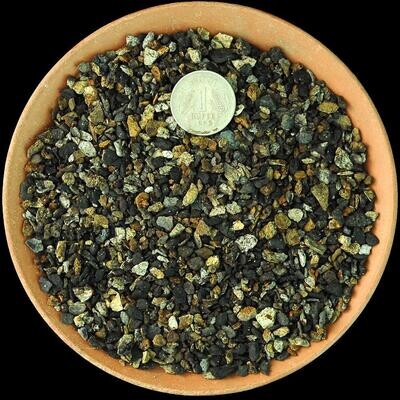
- Soil: Use well-draining succulent or cactus mix.
- Watering: Water sparingly; allow the soil to dry out completely between watering, especially in winter.
- Light: Bright, indirect sunlight; a location with morning sun and some shade during the hottest part of the day is ideal.
- Temperature: Prefers 60-80°F (15-27°C); protected from frost and freezing temperatures.
- Fertilizer: Light feeding during the active growing season with a succulent or cactus fertilizer.
Interesting Anecdote or Historical Significance:
Named glauca for its bluish, frosted appearance, Haworthia glauca embodies elegance and resilience. Its delicate, powdery surface beautifully mimics frost or icy textures, symbolizing purity and quiet strength. Native to South Africa, this species’ adaptation to harsh habitats highlights the remarkable ability of desert plants to thrive in challenging conditions—an enduring symbol of resilience, understated beauty, and the subtle artistry of nature’s design.