Haworthia glauca var. herrei
Origin of Name:
The genus Haworthia is named after the British botanist Adrian Hardy Haworth (1767–1838), renowned for his work on succulents and cacti. The species glauca derives from the Latin “glaucus,” meaning “bluish-gray” or “covered with a fine, powdery bloom,” referring to the plant’s characteristic bluish, matte foliage.
The varietal name herrei (pronounced HER-ray-eye) is a tribute to Hans Herre (1895–1979), a notable botanist famous for collecting succulents in South Africa’s Namaqualand, the Richtersveld, and Namibia. The herrei epithet was chosen to honor his extensive fieldwork, contributions to botany, and the preservation of succulent diversity through his diligent collection efforts. As documented by World of Succulents on September 24, 2024, the name Haworthia glauca var. herrei acknowledges his significant role in expanding botanical knowledge in the region.
Origin of Plant:
Native to South Africa’s semi-arid regions, Haworthia glauca var. herrei is adapted to rocky, well-drained habitats, thriving in harsh environments with minimal water. Its discovery and classification are rooted in the pioneering fieldwork of botanists like Hans Herre, whose work in Namaqualand, the Richtersveld, and Namibia contributed immensely to understanding the flora of southern Africa. Today, it is cultivated globally for its elegant, resilient foliage and its historical significance in succulent botany.
Description:
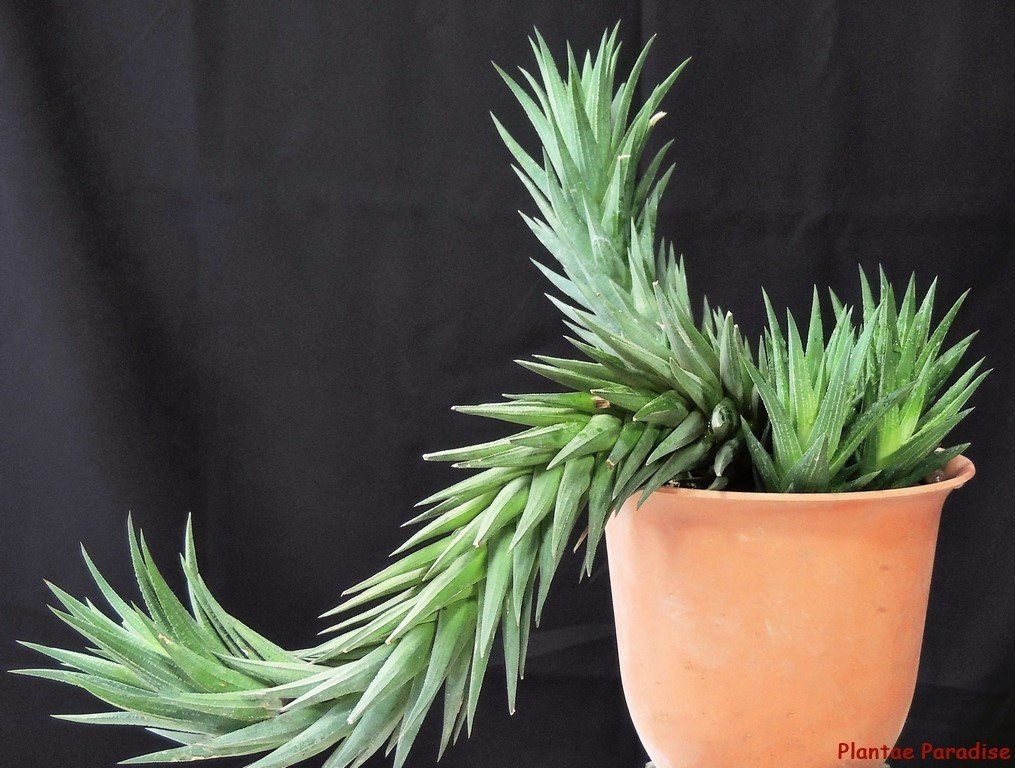
Haworthia glauca var. herrei exhibits rosettes of thick, pointed, bluish-green leaves with a fine, powdery coating, lending it a frosted, matte look. The leaves are densely packed, forming a low-growing, symmetrical cluster that epitomizes understated elegance. Tiny white or translucent tubercles and lines often adorn the surface, adding intricate detail to its delicate texture.
The plant produces slender, wiry flowering stems with tiny, tubular white flowers, though its principal attraction remains its tasteful foliage. Its subdued coloration, combined with its hardy nature, makes it a perfect ornamental for indoor displays, rock gardens, or container arrangements—symbolizing resilience and subtle beauty rooted in dedicated botanical exploration.
Conservation Status:
As a cultivated variety, Haworthia glauca var. herrei is widely propagated and does not face immediate threats in the wild. Its ongoing cultivation supports the preservation of its unique traits without impacting natural habitats, honoring the ecological contributions of Hans Herre and other botanists.
Care:
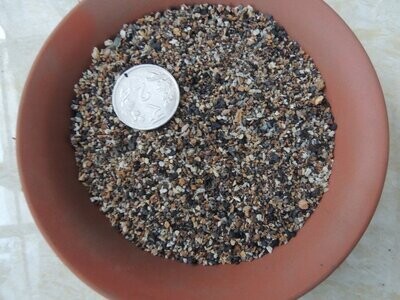
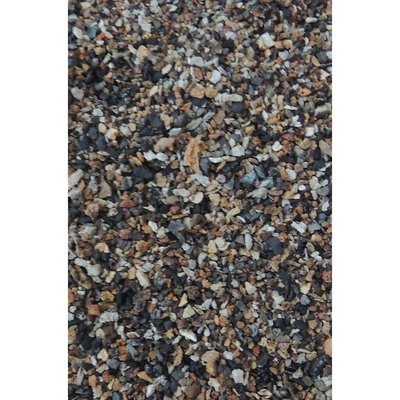
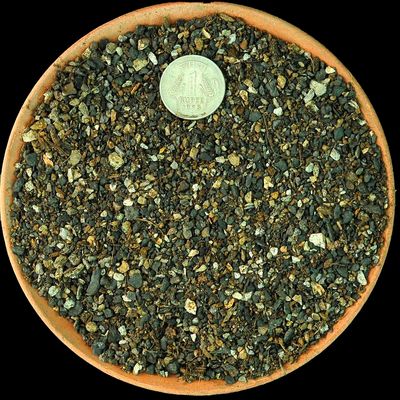
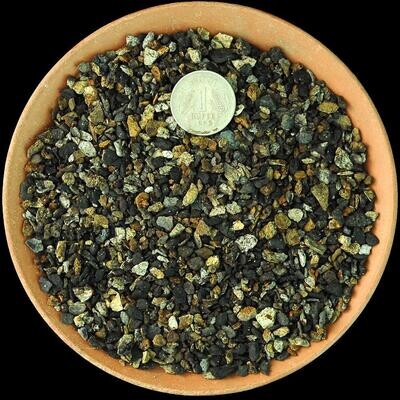
- Soil: Well-draining succulent or cactus potting mix.
- Watering: Minimal; allow the soil to completely dry out between waterings, especially during winter dormancy.
- Light: Bright, indirect light; morning sun with partial shade in the afternoon preferred.
- Temperature: Prefers 60-80°F (15-27°C); keep protected from frost.
- Fertilizer: Light feeding during active growth with a succulent or cactus fertilizer.
Interesting Anecdote or Historical Significance:
Named herrei in recognition of Hans Herre (1895–1979), a dedicated botanist whose extensive fieldwork in Namaqualand, the Richtersveld, and Namibia significantly advanced the understanding of succulent flora. His meticulous collection efforts preserved valuable plant genetic resources and fostered appreciation for desert biodiversity. The varietal epithet “herrei” honors his legacy, and Haworthia glauca var. herrei embodies his contribution—symbolizing resilience, meticulous exploration, and the understated beauty of desert succulents that thrive against the odds.