

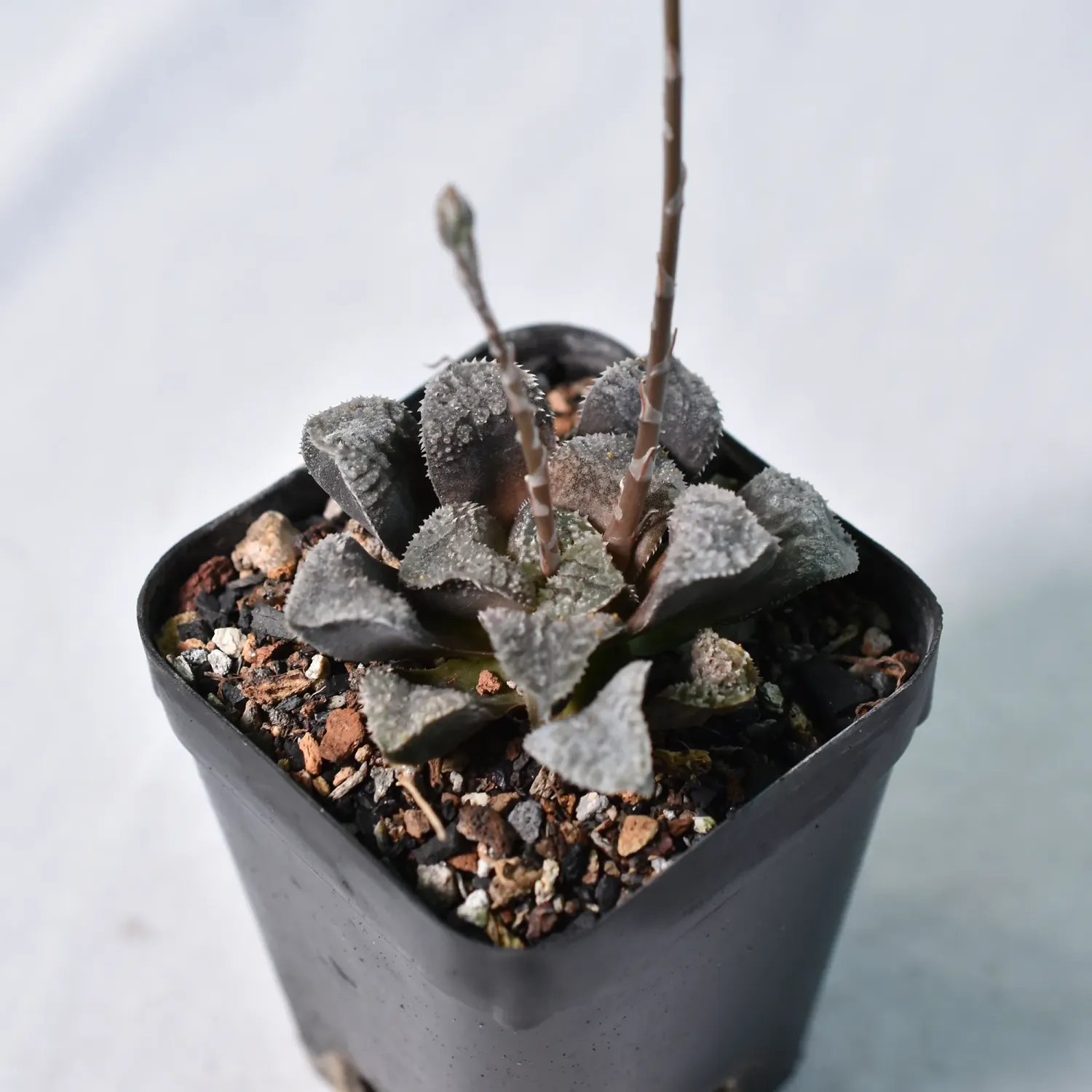
Haworthia hybrid ' Mordor '
Product Details
Shadowy Depths: Haworthia hybrid 'Mordor'
A dark, textured masterpiece for the connoisseur, this hybrid is a rare study in obsidian-like aesthetics.
- Origin & History of Name: The name 'Mordor' is a direct cultural reference to the dark, volcanic realm in J.R.R. Tolkien’s The Lord of the Rings. This etymological choice reflects the plant's menacingly dark coloration and "burnt" textural appearance. It was selected by breeders to highlight the contrast between its shadowed windows and its rugged, mountain-like profile.
- Morphology: This hybrid is characterized by its extremely dark, almost black epidermis. The upper leaf surfaces, known as fenestrations (windows), are unusually opaque and textured with raised, reddish-brown tubercles. Unlike many Haworthia that prioritize clarity, 'Mordor' features a matte, rugose finish on its thick, triangular leaves, giving it a fossilized or volcanic appearance.
- Habitat & Origin: Haworthia 'Mordor' is a man-made cultivar, not a wild species.
- Cultivation Profile:
- Substrate: Use a strictly mineral-based mix (70% inorganic). In the Indian climate, a blend of pumice, lava grit, and perlite with only 10-20% organic compost prevents root rot during monsoon humidity.
- Light: Requires bright, indirect light.
- Water/Dormancy: Follow a soak-and-dry method. Reduce watering significantly during the peak summer dormancy (May-June) and the cold winter months. Ensure maximum ventilation during the humid monsoon season.
- Scientific/Historical Anecdote: The genus Haworthia was named after British botanist Adrian Hardy Haworth in 1812.
New
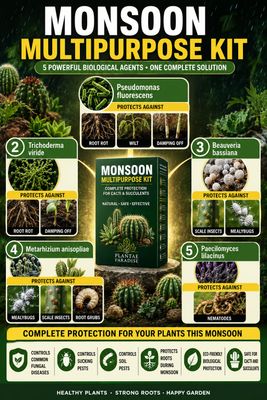
Monsoon Guardian Kit (5 in 1)
Monsoon Guardian Kit (5 in 1)
Complete 5-in-1 biological protection kit for cacti & succulents
SKU MNS024
₹850.00

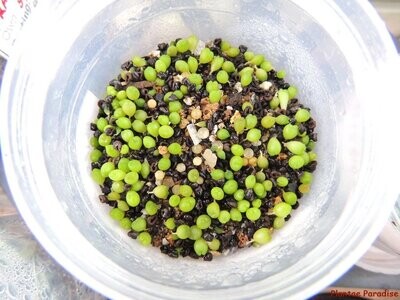
Cactus Seed Planting Mix
Cactus Seed Planting Mix
Sterile, Fine-Grain Media for Cactus & Succulent Seeds
SKU MNS005
₹74.85


Cactus & Succulent Planting Mix COARSE (aka Cactus Soil Mix or Succulent Soil Mix)
Cactus & Succulent Planting Mix COARSE (aka Cactus Soil Mix or Succulent Soil Mix)
Washed, Free-Draining Mineral Mix for Cactus & Succulents
SKU MNS003
₹44.85