1. Origin of Name:
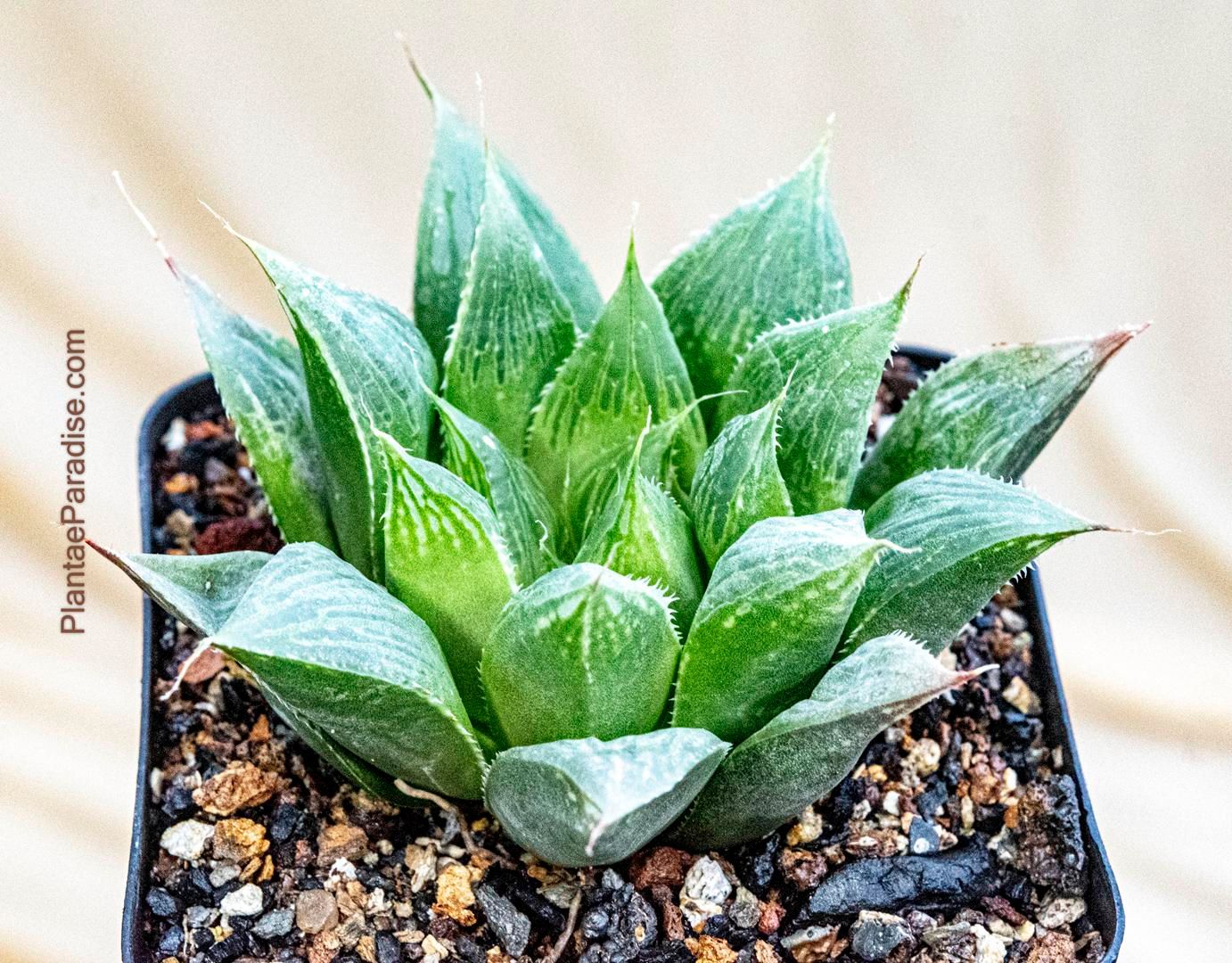
The genus "Haworthia" honors Adrian Hardy Haworth (1767–1833), an influential English botanist known for his pioneering work on succulents and cacti. The species name "maculata" is Latin for "spotted" or "stained," referring to the characteristic markings on its leaves. The common name “Spotted Haworthia” is derived from this descriptive trait. The name emphasizes its distinctive appearance, with its leaves adorned by white or pale, irregular spots and markings, giving it a delicate, speckled look that adds to its charm.
2. Origin of Plant:
Haworthia maculata is native to South Africa, primarily found in the Eastern Cape and Western Cape regions. It naturally inhabits rocky slopes, cliffs, and crevices where it thrives in well-drained, arid environments. Discovered in the early 19th century during botanical explorations, it adapted to survive in harsh, drought-prone conditions. Its natural habitat’s rocky terrain influences its small, low-growing form and textured, spotted leaves, providing it with protection from dehydration and intense sunlight.
3. Description:
Haworthia maculata features small, rosette-shaped clusters of thick, fleshy leaves that are oval or lance-shaped. The most notable feature is the pattern of white or pale spots, speckles, and streaks scattered across the leaf surfaces, giving the plant a delicately mottled appearance. The leaves often have translucent "windows" near the tips, allowing light to filter into the plant for photosynthesis. The spotted pattern varies from plant to plant, making each specimen uniquely beautiful. During flowering, it produces tiny, white, tubular flowers on slender stalks, adding subtle elegance to its overall appeal.
4. Conservation Status:
Haworthia maculata is widely cultivated and popular among succulent enthusiasts, and it is not currently considered threatened. Its widespread availability and ease of propagation help protect wild populations. Responsible cultivation and propagation from nursery-grown specimens support sustainable practices and conservation efforts.
5. Care:
- Lighting: Bright, indirect sunlight; can tolerate some direct morning sun, but protect from intense afternoon rays.
- Watering: Water sparingly, allowing the soil to dry out completely between watering. Reduce watering during winter.
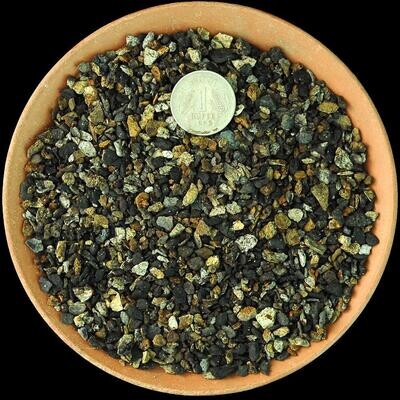
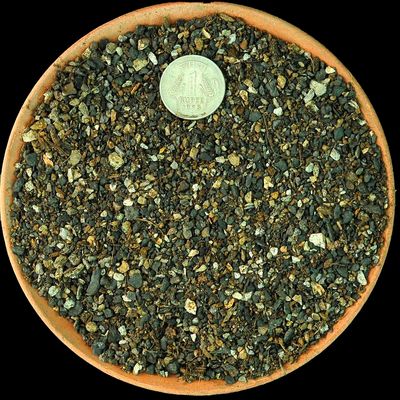
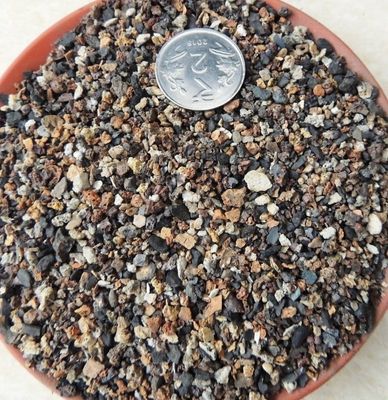
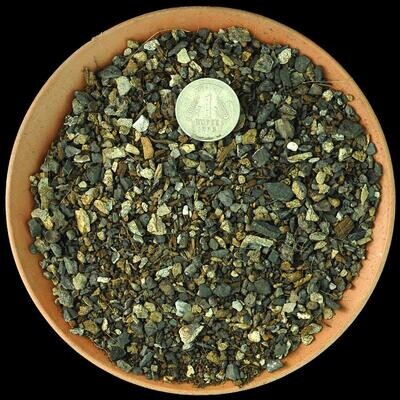
- Soil: Use a well-draining cactus or succulent mix with added coarse sand or pumice for optimal drainage.
- Temperature: Prefers warm temperatures from 65°F to 80°F (18°C to 27°C). Protect from frost—bring indoors or provide frost protection in cold climates.
- Additional Tips: Avoid overwatering to prevent root rot. Fertilize lightly during the growing season with a diluted cactus fertilizer.
6. Interesting Anecdote:
Native South Africans regard Haworthia maculata as a symbol of resilience and adaptability, owing to its mottled, camouflaged appearance that blends seamlessly into rocky environments. Its decorative spots have inspired traditional beadwork and art, symbolizing patience and beauty in adversity. The plant’s unique patterning and ability to thrive in seemingly inhospitable conditions have endeared it to collectors worldwide, earning it recognition as a natural “wildflower of resilience.”