

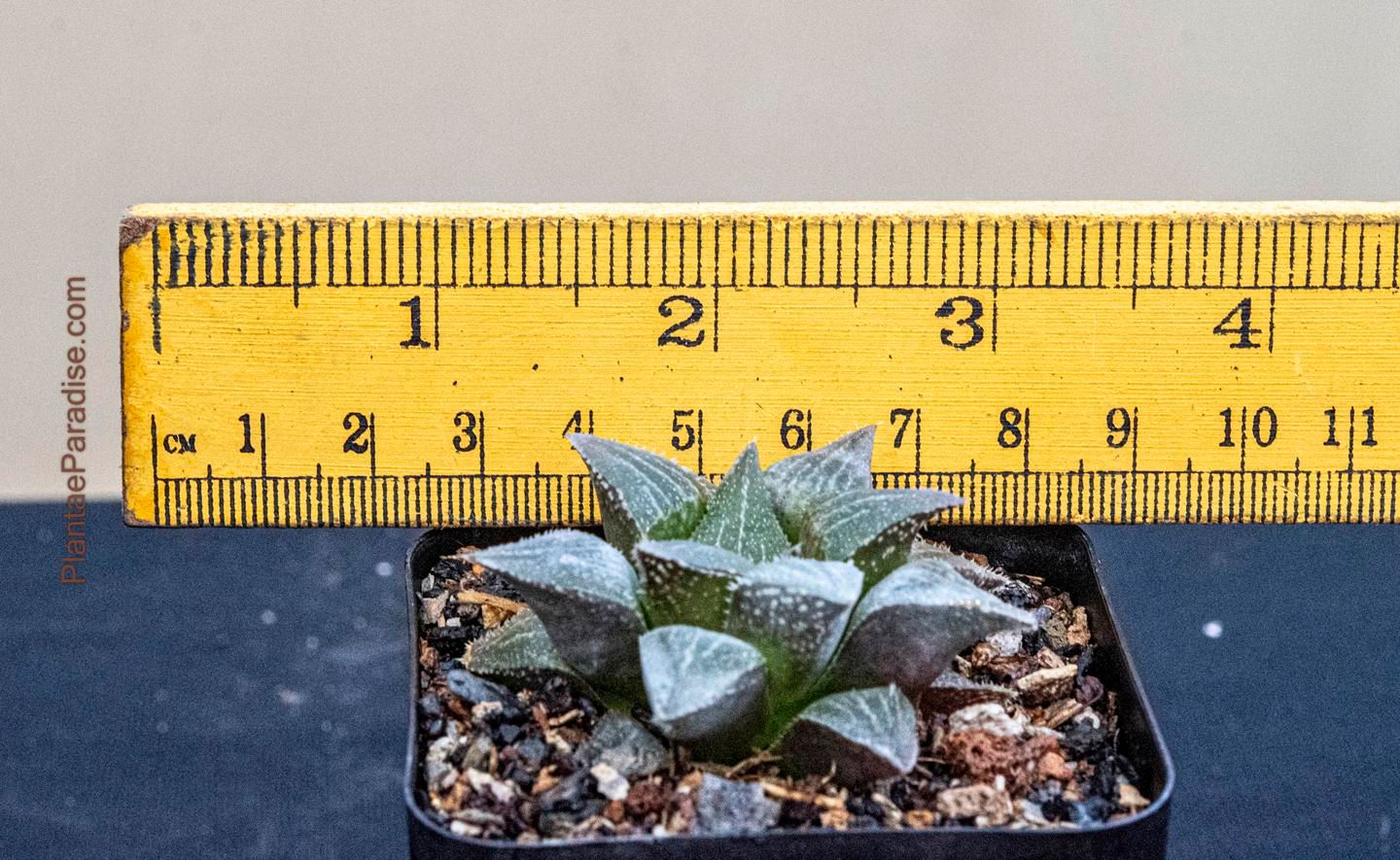
Haworthia mirabilis
Product Details
Elegant Haworthia mirabilis features rosettes of thick, fleshy, translucent leaves with striking patterns—perfect for small pots and succulent collections
- Origin of Name The genus name Haworthia honors Adrian Hardy Haworth an English botanist famous for his work on succulents The species name mirabilis means 'wonderful' or 'remarkable' in Latin reflecting its attractive, patterned foliage The plant was first described from South African specimens and is celebrated for its ornamental beauty and distinctive leaf markings The name highlights its status as a remarkable and treasured succulent in cultivation
- Origin of Plant Haworthia mirabilis is native to South Africa particularly in the Western Cape and Namaqualand regions where it grows mainly in rocky slopes, gravelly soils, and crevices These dry, well-drained habitats have shaped its drought tolerance and attractive patterned leaves Discovered in early botanical explorations in the 19th century it has since become a popular species both in its native habitat and in cultivation worldwide, prized for its ornamental markings and resilience
- Description Haworthia mirabilis forms dense clusters of rosettes with fleshy, triangular or lance-shaped leaves that are often translucent with distinctive white or cream-colored banding and spotting The leaves may be green or gray-green and frequently display attractive, intricate patterns this species produces slender flower stalks topped with small, tubular, white or pale pink flowers in spring The plant's striking leaf markings and compact, clumping growth make it highly desirable for miniature gardens and decorative containers
- Conservation Status Haworthia mirabilis is not listed as threatened but habitat disturbance and illegal collection can threaten wild populations Responsible cultivation and propagation through nurseries and hobbyists help protect wild resources and promote sustainable practices
- Care Light Bright, indirect sunlight or filtered morning sun enhances leaf markings and coloration Water Soak and dry thoroughly between waterings to avoid root rot Reduce watering during winter months Use a fast-draining cactus or succulent mix with added grit or pumice Provide warmth 65-85°F 18-29°C and protect from frost Fertilize lightly during the growing season with a diluted cactus or succulent fertilizer Re-pot every 2-3 years when root-bound Propagation Mostly from offsets or division, which root readily in well-drained soil
- Interesting Anecdote Haworthia mirabilis's intricate leaf patterns and translucent windows have delighted collectors for centuries Its ability to thrive in harsh rocky environments makes it a symbol of resilience and beauty in arid landscapes Historically, indigenous peoples and early botanists valued its drought tolerance and ornamental appeal Today it remains a favorite among succulent enthusiasts for its decorative markings and easy care
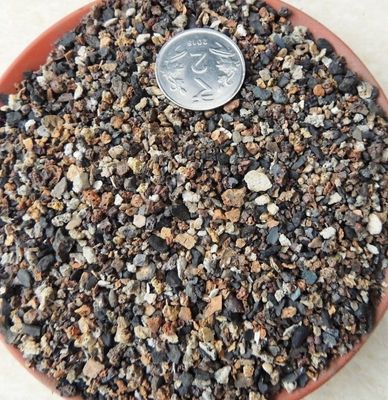
Cactus & Succulent Planting Mix FINE (aka Cactus Soil Mix or Succulent Soil Mix)
Cactus & Succulent Planting Mix FINE (aka Cactus Soil Mix or Succulent Soil Mix)
Fine-Grain Potting Mix for Cactus & Succulent Roots
SKU MNS001
₹33.74
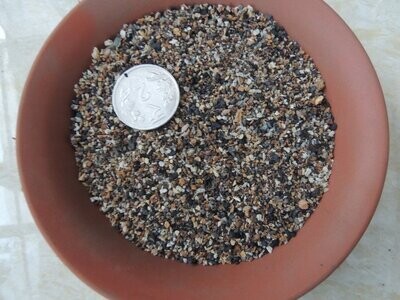
Cactus Seed Planting Mix
Cactus Seed Planting Mix
Sterile, Fine-Grain Media for Cactus & Succulent Seeds
SKU MNS005
₹66.35
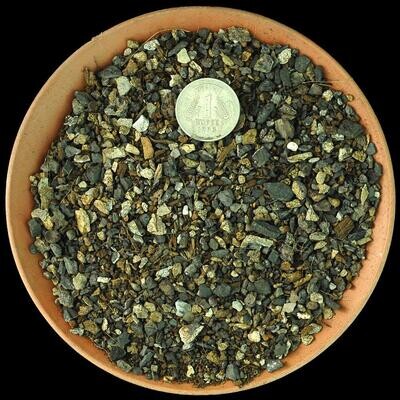
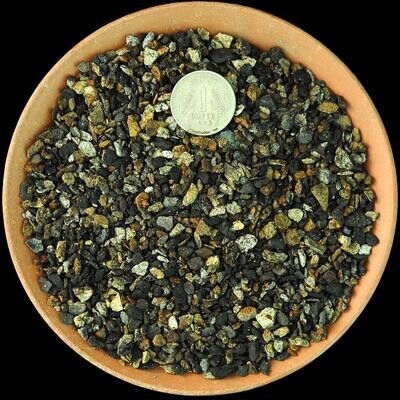
Cactus & Succulent Planting Mix COARSE (aka Cactus Soil Mix or Succulent Soil Mix)
Cactus & Succulent Planting Mix COARSE (aka Cactus Soil Mix or Succulent Soil Mix)
Washed, Free-Draining Mineral Mix for Cactus & Succulents
SKU MNS003
₹38.74