

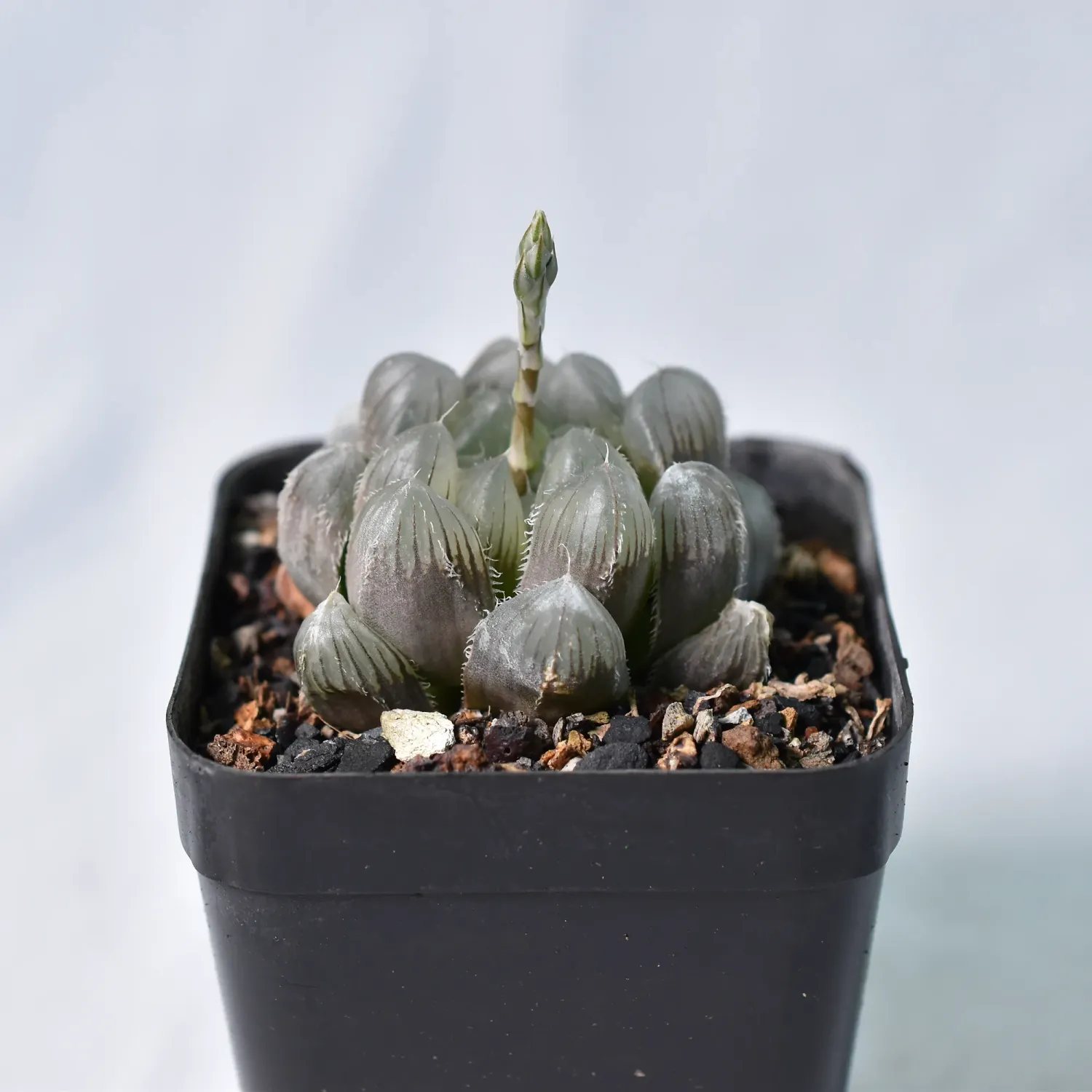
Haworthia obtusa
Product Details
The Living Jewel: Haworthia obtusa
A rare, translucent masterpiece of nature that brings the clarity of crystal to your succulent collection.
- Origin & History of Name: The genus is named after British botanist Adrian Hardy Haworth (1767–1833), who was a pioneer in succulent classification.
- Morphology: This plant is celebrated for its "leaf windows"—specialized translucent patches on the upper epidermis that allow sunlight to penetrate deep into the internal photosynthetic tissues.
- Habitat & Origin: Haworthia obtusa is a wild species native to the Eastern Cape Province of South Africa.
- Cultivation Profile:
- Substrate: Use a strictly mineral-based mix (70% inorganic). In the Indian context, a blend of crushed expanded clay (leca), fine pumice, or grit mixed with a small amount of coco-peat works best to prevent root rot during high humidity.
- Light: Provide bright, indirect light. In India, a north or east-facing windowsill is ideal. Avoid direct afternoon sun (12:00 PM – 4:00 PM), which can scorch the delicate leaf windows.
- Water/Dormancy: Water thoroughly only when the medium is completely dry. This species enters a semi-dormancy during the peak Indian summer and monsoon; reduce watering significantly during these periods to account for higher ambient moisture.
- Scientific/Historical Anecdote: Haworthia were once classified within the same genus as Aloe due to their similar rosette shapes. It wasn't until the 19th century that botanists realized these "miniature aloes" were evolutionarily distinct. Scientists discovered that their translucent windows act like biological fiber optics, channeling light to chlorophyll-rich areas underground, allowing the plant to stay buried and cool while still "eating" sunlight.

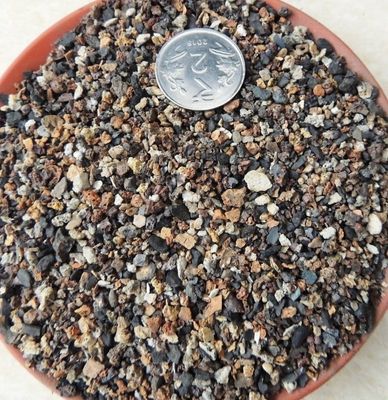
Cactus & Succulent Planting Mix COARSE (aka Cactus Soil Mix or Succulent Soil Mix)
Cactus & Succulent Planting Mix COARSE (aka Cactus Soil Mix or Succulent Soil Mix)
Washed, Free-Draining Mineral Mix for Cactus & Succulents
SKU MNS003
₹44.85

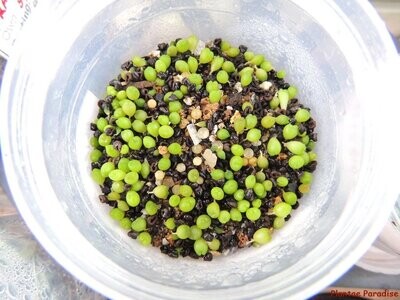
Cactus Seed Planting Mix
Cactus Seed Planting Mix
Sterile, Fine-Grain Media for Cactus & Succulent Seeds
SKU MNS005
₹74.85
New
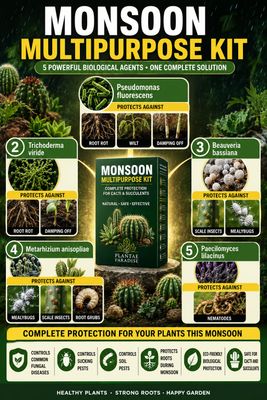
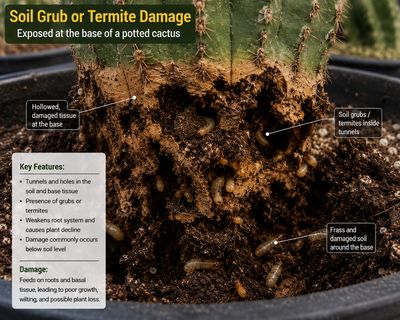
Monsoon Guardian Kit (5 in 1)
Monsoon Guardian Kit (5 in 1)
Complete 5-in-1 biological protection kit for cacti & succulents
SKU MNS024
₹850.00
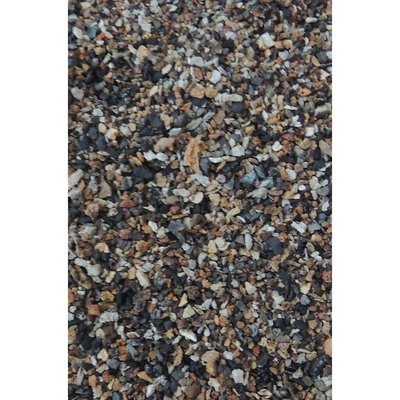
Cactus & Succulent Planting Mix FINE (aka Cactus Soil Mix or Succulent Soil Mix)
Cactus & Succulent Planting Mix FINE (aka Cactus Soil Mix or Succulent Soil Mix)
Fine-Grain Potting Mix for Cactus & Succulent Roots
SKU MNS001
₹39.85