

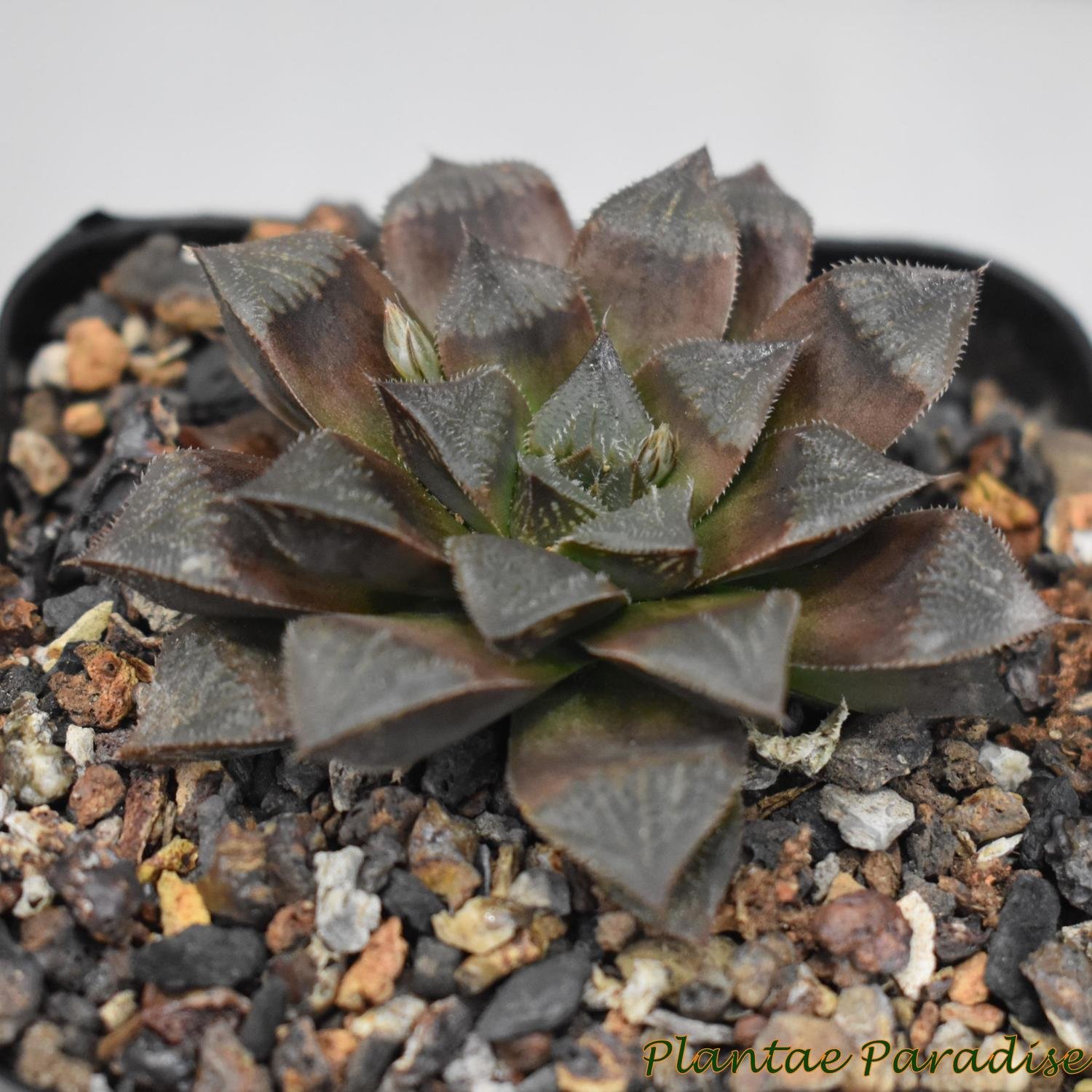
Haworthia pseudo chocolate
Product Details
A retusoid haworthia which changes colour with seasons and shade intensity. Turns from brown to green and back to brown in winters.
Haworthia ‘Pseudo Chocolate’ — Dramatic Chocolate-Toned Haworthia; compact, collector-friendly rosettes with rich brown-green hues that pop in bright light.
- Origin of Name
- Etymology: The genus name Haworthia honors Adrian Hardy Haworth (1767–1833), an English botanist and entomologist. The cultivar name ‘Pseudo Chocolate’ is a horticultural/trade name referencing the plant’s chocolate-brown coloration under strong light or stress. “Pseudo” indicates it’s a descriptive trade label rather than a botanical species name.
- Naming history & notes: Trade names like ‘Pseudo Chocolate’ arose within collector and nursery communities to describe and market distinctive color clones. Such cultivar names are informal and celebrate visual traits rather than formal taxonomic distinctions.
- Origin of Plant
- Natural habitat & geography: Haworthia species are native to South Africa (primarily the Eastern Cape region), where they inhabit rocky crevices and well-drained slopes with partial shade. The ‘Pseudo Chocolate’ clone is a selected, nursery-propagated form—its origin is horticultural rather than a separate wild taxon.
- Cultivation history: Named and propagated by growers for its striking coloration, this clone spread through specialty nurseries and collector networks.
- Description
- Habit & size: A compact, clumping Haworthia forming rosettes and offsets; typical rosette diameter 2–6 inches (5–15 cm), slowly forming attractive clusters.
- Leaves & coloration: Thick succulent leaves with smooth to subtly textured surfaces. The signature trait is a warm chocolate-brown to mahogany overlay on green/gray-green leaves when exposed to bright light or mild drought—colors fade toward green in lower light. Leaf shape is triangular to oblong with blunt tips.
- Flowers: Slender inflorescences bearing small tubular white to pale pink flowers in late winter to spring. Flowers are delicate; foliage is the main show.
- Ornamental traits: Striking coloration, compact size, and clumping habit make it ideal for collector displays, minimalist pots, and mixed succulent arrangements.
- Conservation Status
- Wild status: As a nursery-selected clone, ‘Pseudo Chocolate’ is propagated in cultivation and not a wild taxon. Many Haworthia species face localized threats; prefer nursery-propagated plants to avoid pressure on wild populations.
- Conservation notes: Buy from reputable growers who propagate offsets or tissue-culture stock.
- Care
- Light: Bright, indirect light or strong filtered sun. Morning sun enhances chocolate tones; avoid harsh afternoon sun to prevent scorching.
- Water: Soak-and-dry method: water thoroughly, then allow soil to dry before watering again. Reduce frequency in winter. Avoid overwatering.
- Soil & drainage: Use a fast-draining cactus/succulent mix with pumice, perlite, or coarse sand (~50% mineral content).
- Temperature & humidity: Prefers 55–85°F (13–29°C). Protect from frost below ~40°F (4–5°C). Typical indoor humidity is fine.
- Fertilizer & maintenance: Light feeding during active growth (spring–early fall) with diluted balanced fertilizer monthly. Propagate via offsets; repot every 2–3 years when crowded.
- Pests: Watch for mealybugs and scale; ensure good airflow and dry intervals.
- Anecdote / Historical Note Collector culture gave rise to evocative names like ‘Pseudo Chocolate’—small differences in light and water can produce dramatic color shifts in Haworthia, inspiring growers to select and name unusual clones. Such clones became prized in the late 20th-century hobbyist trade for their novelty and display value.
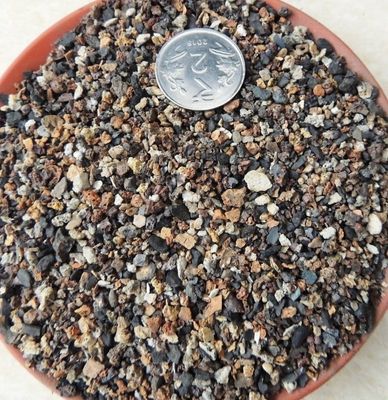
Cactus & Succulent Planting Mix FINE (aka Cactus Soil Mix or Succulent Soil Mix)
Cactus & Succulent Planting Mix FINE (aka Cactus Soil Mix or Succulent Soil Mix)
Fine-Grain Potting Mix for Cactus & Succulent Roots
SKU MNS001
₹39.85
New

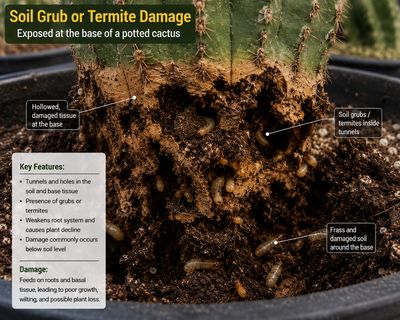
Monsoon Guardian Kit (5 in 1)
Monsoon Guardian Kit (5 in 1)
Complete 5-in-1 biological protection kit for cacti & succulents
SKU MNS024
₹850.00


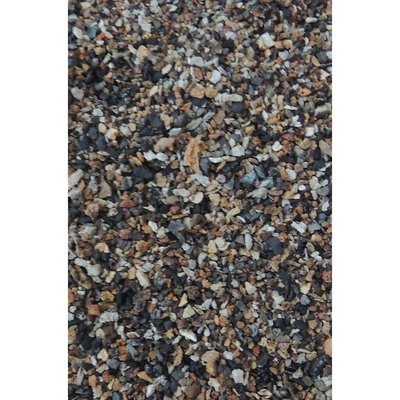
Cactus & Succulent Planting Mix COARSE (aka Cactus Soil Mix or Succulent Soil Mix)
Cactus & Succulent Planting Mix COARSE (aka Cactus Soil Mix or Succulent Soil Mix)
Washed, Free-Draining Mineral Mix for Cactus & Succulents
SKU MNS003
₹44.85