

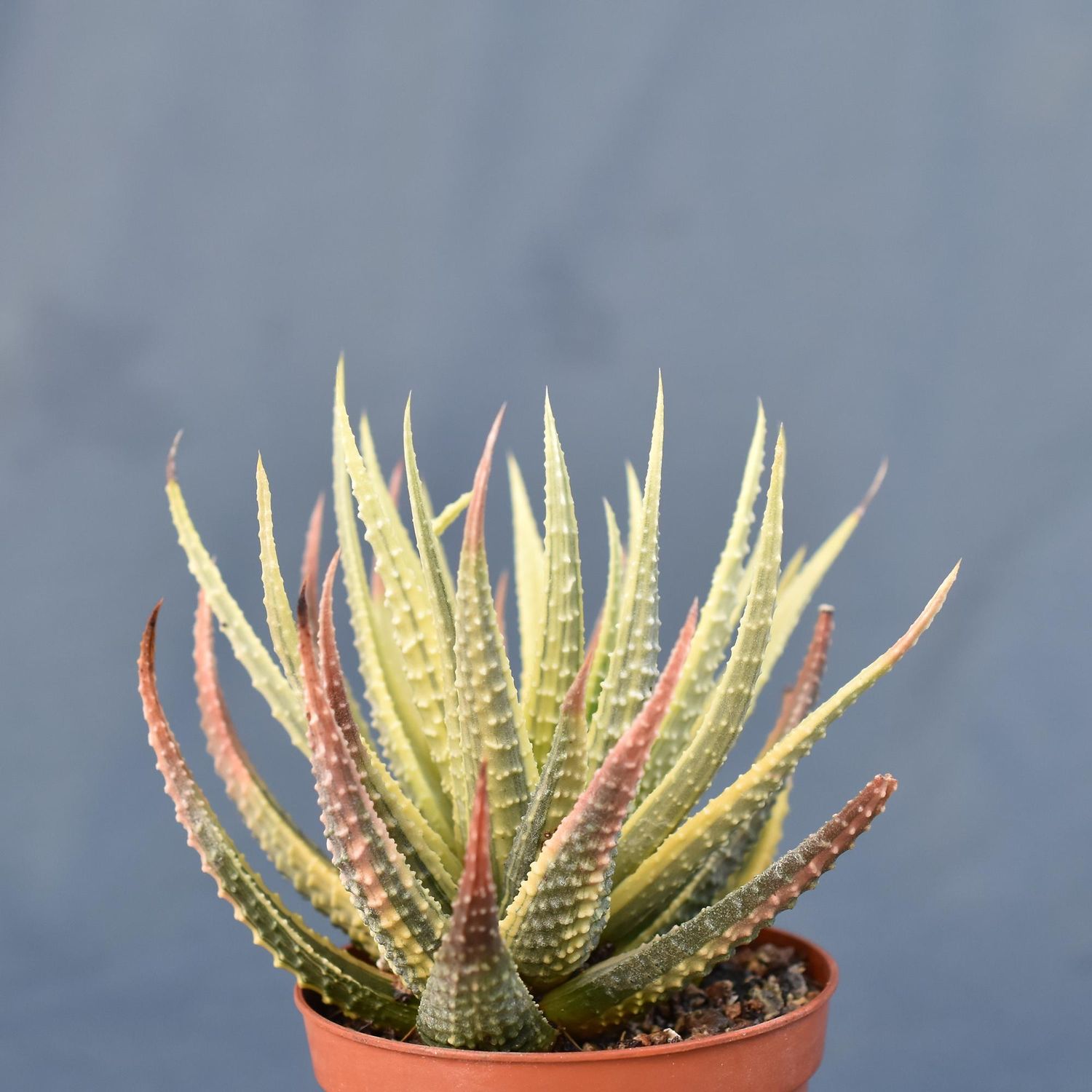
Haworthia pumila "Donuts" variegated
Product Details
Geometric Radiance: Haworthia pumila "Donuts" Variegated
A pinnacle of succulent breeding, this specimen combines ring-shaped tuberculate patterns with rare chlorophyll-deficient variegation.
- Origin & History of Name: The genus Haworthia honors British botanist Adrian Hardy Haworth (1767–1833).
- Morphology: This plant features a rosette of rigid, triangular leaves. The epidermis is dark green, providing a high-contrast backdrop for variegation (sections of tissue lacking chlorophyll). The most striking feature is the presence of raised, white, ring-like tubercles (wart-like outgrowths) that resemble small donuts. Unlike many succulents, it lacks costae (ribs), relying instead on its structural leaf thickness for water storage.
- Habitat & Origin: The base species is native to the Breede River Valley in the Western Cape, South Africa. However, the "Donuts" variegated form is a highly specialized cultivar, primarily refined by expert breeders in Japan and Southeast Asia. These plants are produced via tissue culture or offsets to ensure the stability of the variegation, making them a sustainable choice for international trade.
- Cultivation Profile:
- Substrate: Requires a high-porosity mineral mix. Use a blend of 80% akadama, pumice, or expanded clay pebbles with 20% organic compost to ensure rapid drainage.
- Light: Prefers filtered bright light or 50% shade cloth. In the Indian subcontinent, direct midday sun will scorch the variegated tissue; eastern exposure is ideal.
- Water/Dormancy: Follow a strictly seasonal schedule. Provide moderate water during the spring and autumn growing seasons. During the peak Indian summer and winter, the plant enters semi-dormancy; reduce watering to once every three weeks to prevent root senescence.
- Scientific/Historical Anecdote: Haworthia pumila was originally classified in the genus Aloe by Carl Linnaeus in 1753. It wasn't until later taxonomic revisions that it was moved, and recently, some botanists have reclassified it into the genus Tulista. A unique biological trait of this species is its "windowless" leaf structure, which, unlike other Haworthias, relies on its dense white tubercles to reflect excess UV radiation in its native arid habitat.
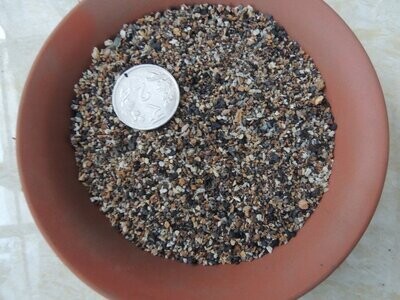
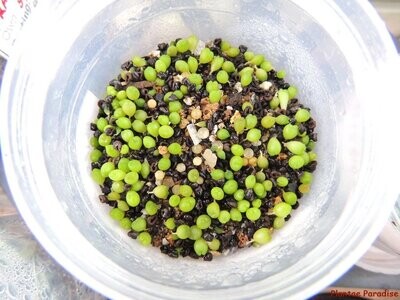
Cactus Seed Planting Mix
Cactus Seed Planting Mix
Sterile, Fine-Grain Media for Cactus & Succulent Seeds
SKU MNS005
₹74.85
New
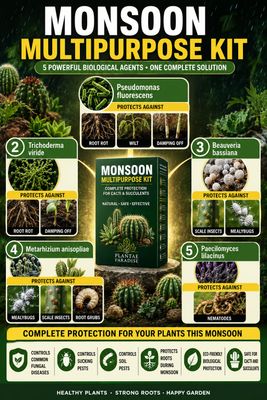
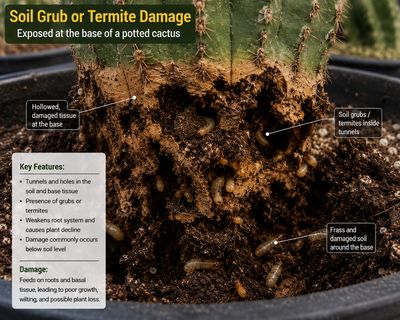
Monsoon Guardian Kit (5 in 1)
Monsoon Guardian Kit (5 in 1)
Complete 5-in-1 biological protection kit for cacti & succulents
SKU MNS024
₹850.00
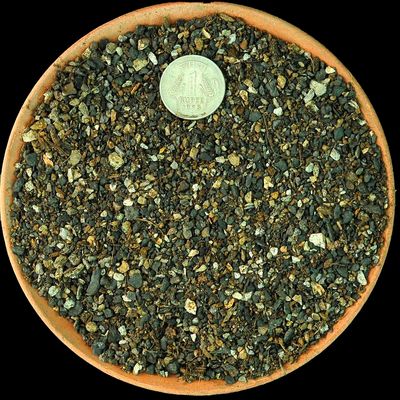

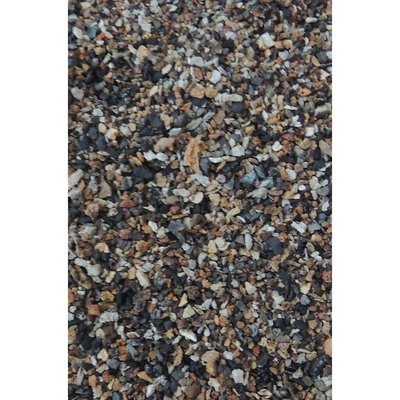
Cactus & Succulent Planting Mix FINE (aka Cactus Soil Mix or Succulent Soil Mix)
Cactus & Succulent Planting Mix FINE (aka Cactus Soil Mix or Succulent Soil Mix)
Fine-Grain Potting Mix for Cactus & Succulent Roots
SKU MNS001
₹39.85