

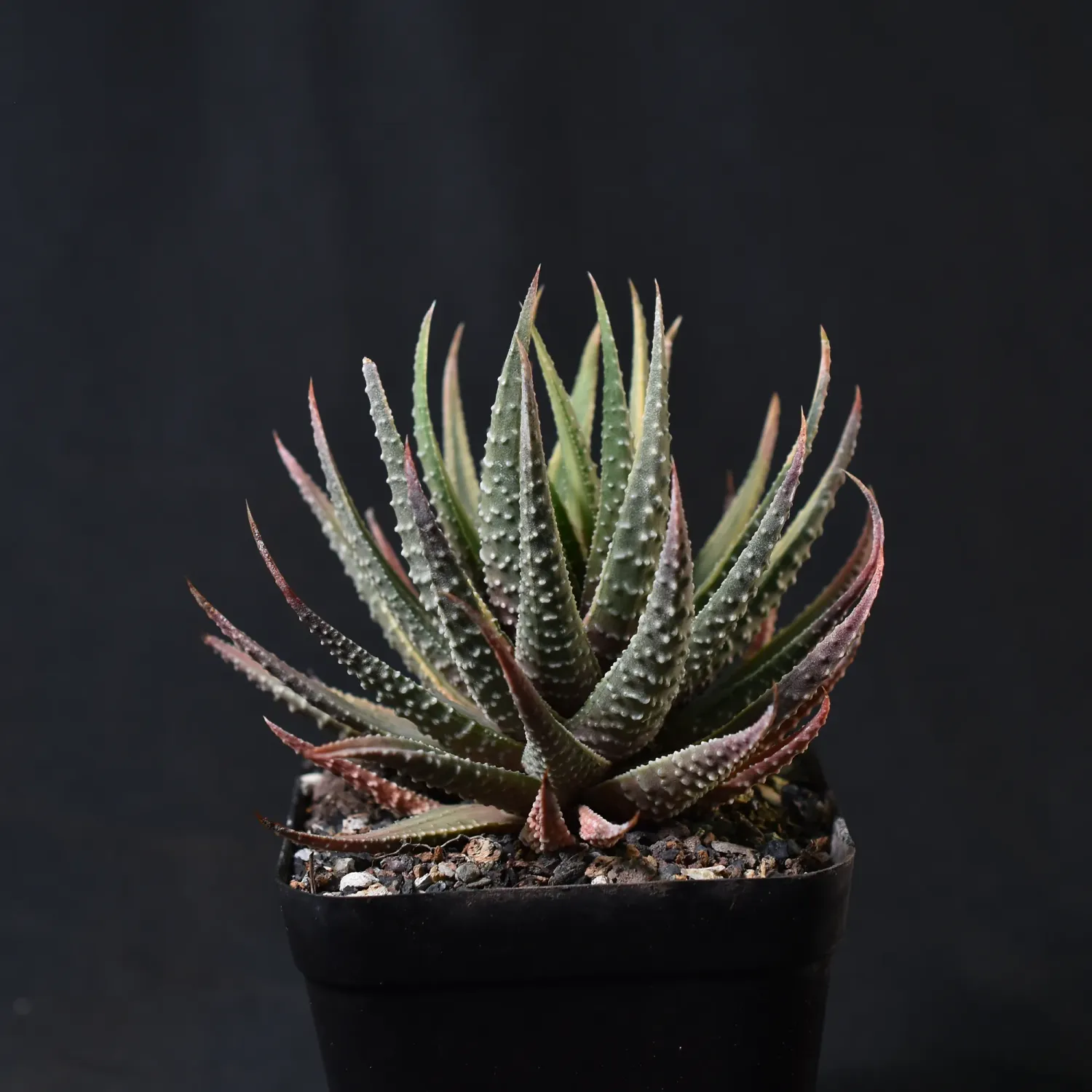
Haworthia pumilla variegated
Product Details
Stellar Architectural Gem: Haworthia pumila Variegated
A high-contrast masterpiece for the discerning collector, blending structural elegance with rare, cream-streaked variegation.
- Origin & History of Name: The genus honors British botanist Adrian Hardy Haworth (1767–1833), while the specific epithet pumila is Latin for "dwarf," despite this species being one of the largest in its genus.
- Morphology: This succulent features a rigid rosette of lanceolate leaves. Its epidermis is covered in raised, pearly white tubercles (bumps) that contrast sharply against the dark green base.
- Habitat & Origin: While the base species is native to the Breede River Valley in South Africa’s Western Cape, the variegated form is a cultivar meticulously selected by breeders for its stable mutations. To ensure sustainability, these plants are commercially propagated via offsets or tissue culture, protecting wild populations from poaching.
- Cultivation Profile:
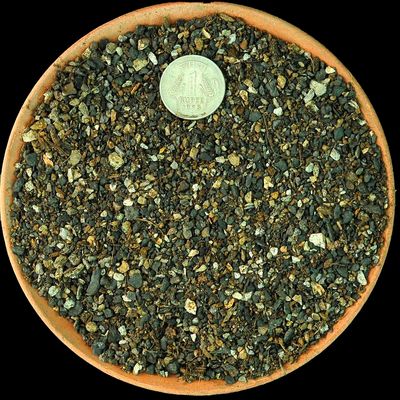
- Substrate: Use a gritty, mineral-based mix (70% inorganic). In the Indian climate, a blend of pumice, perlite, and coarse sand with minimal coco-peat prevents root rot during monsoons.
- Light: Thrives in bright, indirect light. In India, avoid direct midday summer sun, which can scorch the variegated patches; an east-facing balcony or a shaded green-net (50%) setup is ideal.
- Water/Dormancy: Water thoroughly only when the medium is bone-dry. These plants enter a semi-dormancy during the peak Indian summer (May–June); reduce watering significantly during this period and the cold winter months to mimic their natural cycle.
- Scientific/Historical Anecdote: Haworthia pumila was once a prized resident of the royal gardens at Hampton Court in the early 18th century. Scientifically, it is noted for its extreme longevity; well-cared-for specimens have been known to live for over 40 years, often becoming family heirlooms passed down through generations.
New
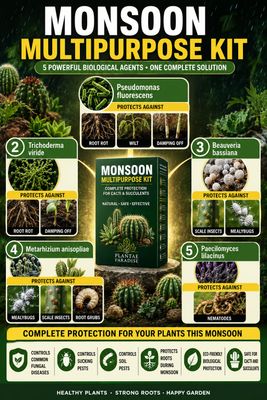
Monsoon Guardian Kit (5 in 1)
Monsoon Guardian Kit (5 in 1)
Complete 5-in-1 biological protection kit for cacti & succulents
SKU MNS024
₹850.00

Cactus Seed Planting Mix
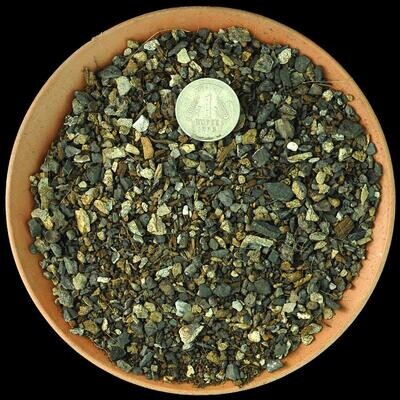
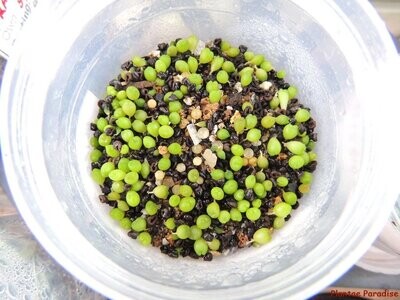
Cactus Seed Planting Mix
Sterile, Fine-Grain Media for Cactus & Succulent Seeds
SKU MNS005
₹74.85