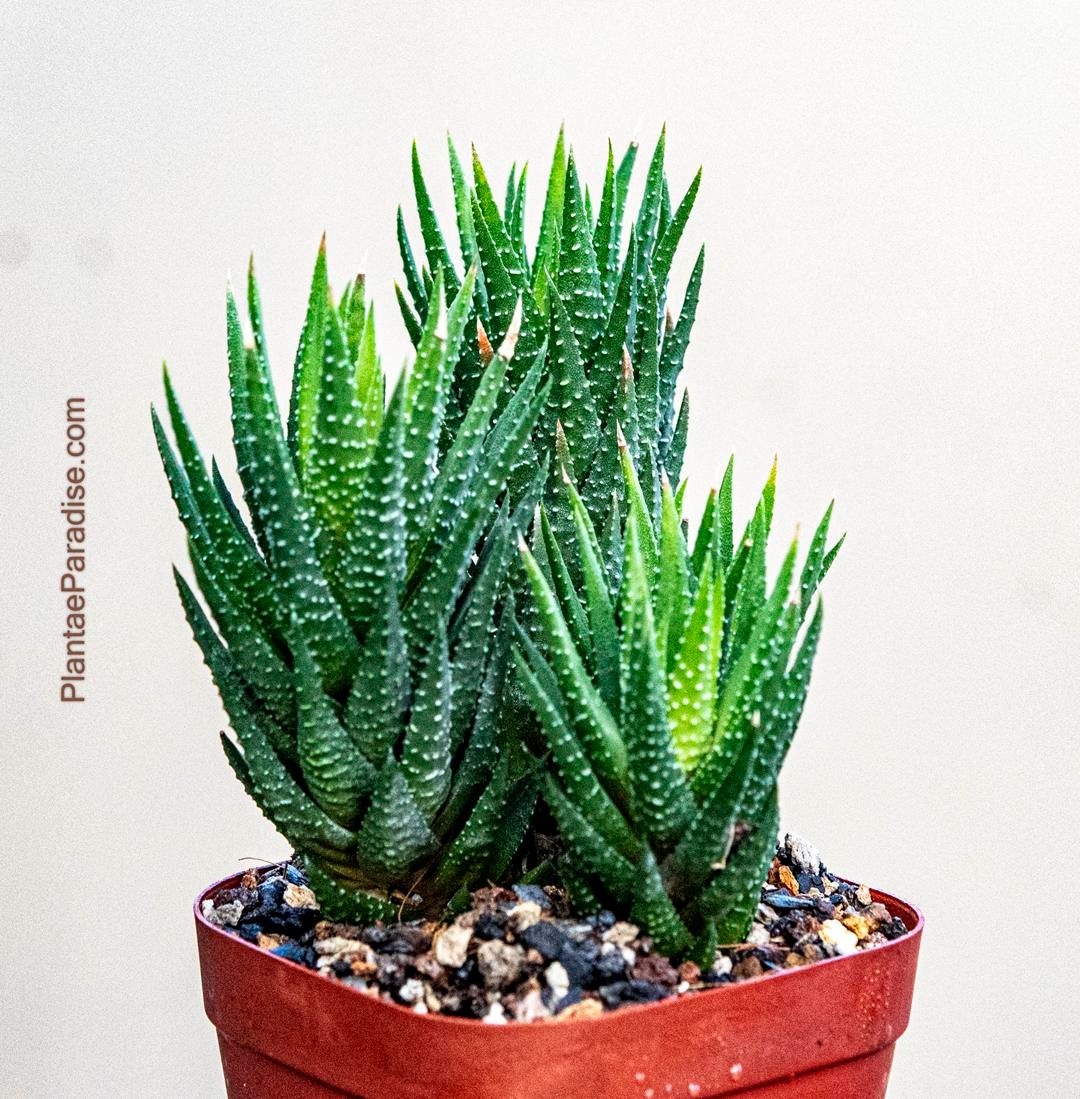
Haworthia reinwardtii is a captivating succulent renowned for its rosette of thick, fleshy leaves and its distinctive, translucent windowed tips. Its impressive, sculptural form makes it a prized addition for collectors seeking unique and decorative desert plants.
1. Origin of Name:
The genus "Haworthia" honors Adrian Hardy Haworth (1767–1833), an influential English botanist known for his extensive work on succulents and cacti. The species name "reinwardtii" commemorates the Dutch botanist Oswald Reiner Reinwardt, who contributed significantly to the study of South African and Asian flora. Its common name and scientific name celebrate its botanical history and the legacy of explorations into South African succulent diversity. The plant's unique, translucent "windows" on the leaf tips have earned it accolades for its ornamental, almost gemstone-like appearance.
2. Origin of Plant:
Haworthia reinwardtii is native to South Africa, specifically in rocky, arid regions in the Western Cape. It naturally grows on steep slopes, rocky ledges, and among crevices where water drainage is excellent and sunlight is intense. Discovered during early botanical explorations, it has adapted to survive in extreme drought conditions. Its natural habitat's rugged terrain influences its low, rosette growth and the translucent windows, which help maximize light absorption while reducing water loss.
3. Description:
This species features dense, rosette-forming, thick leaves that are often triangular or lance-shaped. The most distinctive feature is the presence of translucent "windows" at the leaf tips—these allow sunlight to penetrate into the plant’s tissues, aiding photosynthesis in bright desert conditions. The leaves are a vibrant green, sometimes with subtle darker markings or mottling, and they often have a slightly glossy, smooth surface. The "windows" can be flat or slightly ridged, giving the plant a gemstone-like or sculptural appearance. During flowering, it produces small, white, tubular flowers on slender stalks, adding elegance to its striking silhouette.
4. Conservation Status:
Due to its limited natural range and popularity among succulent collectors, wild populations of Haworthia reinwardtii are vulnerable to overcollection and habitat disturbance. However, it is widely propagated in cultivation, helping to preserve the species and alleviate pressure on wild plants. Responsible cultivation practices support its ongoing conservation.
5. Care:
- Lighting: Bright, indirect sunlight; can tolerate some direct morning sun but should be protected from intense afternoon rays.
- Watering: Water sparingly, allowing the soil to dry out completely between watering. Reduce watering in winter.
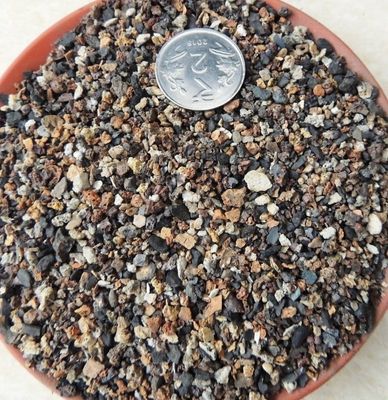
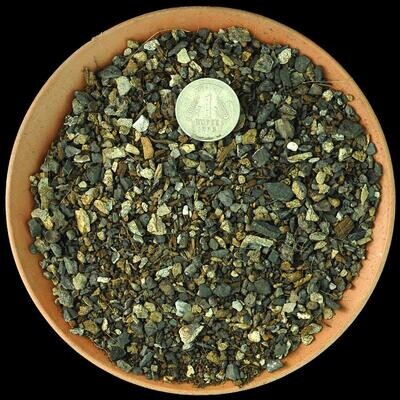
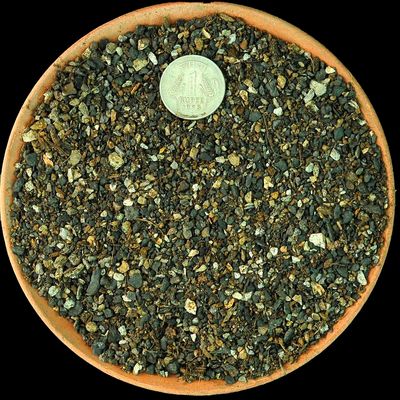
- Soil: Use a fast-draining cactus or succulent mix, with coarse sand or pumice added for drainage.
- Temperature: Prefers warm temperatures from 65°F to 85°F (18°C to 29°C); protect from frost—bring indoors or provide frost protection in colder climates.
- Additional Tips: Proper drainage and cautious watering prevent root rot. Fertilize lightly during the active growth period with a diluted succulent fertilizer.
6. Interesting Anecdote:
In South Africa, Haworthia reinwardtii is celebrated for its gemstone-like, translucent windows, inspiring local artisans who incorporate its shimmering leaf tips into jewelry and decorative crafts. Many collectors see it as a symbol of resilience—its ability to thrive amid rocky, arid terrain while displaying natural “jewel-like” beauty. Its delicate, translucent windows are sometimes called "Miniature Ovens" or "Desert Gems," symbolizing the plant’s capacity to capture and harness scarce sunlight in the harshest environments.
Add Haworthia reinwardtii to your collection for a gem-like, sculptural display—an extraordinary miniature of natural elegance and resilience!