

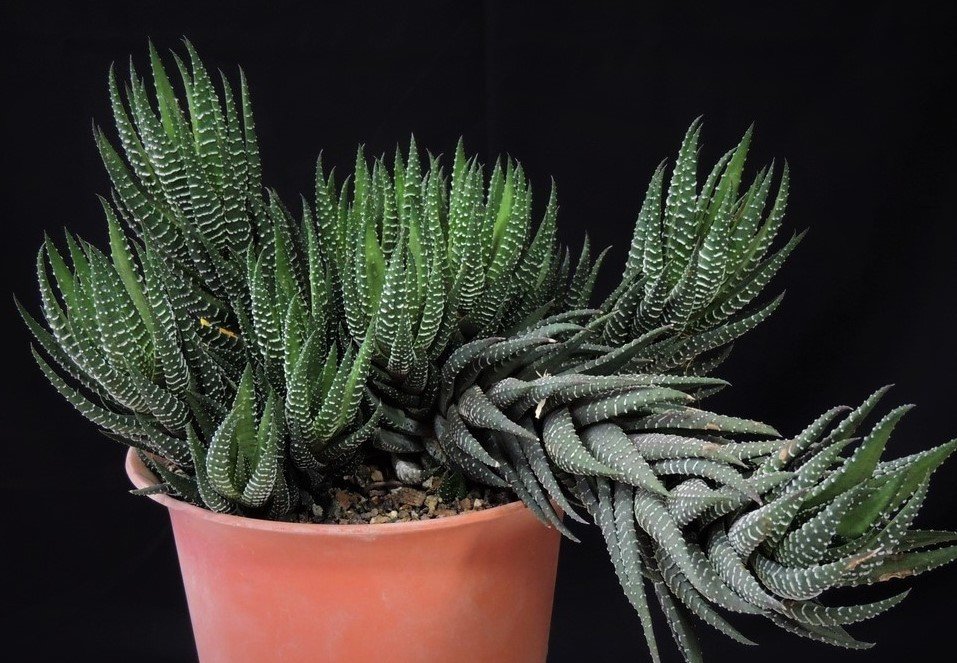
Haworthia reinwardtii fa zebrina
Product Details
Haworthia reinwardtii f. zebrina — Compact Striped Haworthia (Potted Succulent)
A compact, clumping Haworthia with striking zebra-like leaf bands — perfect for windowsills, terrariums, and rock gardens. Low-water, low-maintenance, and slow-growing; a standout accent in any succulent collection.
- Origin of Name
- Etymology: The genus name Haworthia honors Adrian Hardy Haworth (1767–1833), an English entomologist and botanist who published significant works on succulents and lichens in the late 18th and early 19th centuries. The species epithet reinwardtii commemorates Caspar Georg Carl Reinwardt (1773–1854), a German-born botanist and explorer who collected plants in the Dutch East Indies; the Latinized form “reinwardtii” recognizes his contributions to botanical exploration.
- Form name: The “f. zebrina” designation denotes a distinct form (forma) within H. reinwardtii that displays prominent zebra-like striping on the leaf faces and sometimes along the margins; “zebrina” is from Latin “zebra” (striped), used horticulturally to highlight the patterning.
- Naming history and synonyms: Haworthia reinwardtii was formally described in the 19th century, with its horticultural forms (including variegated and striped types) entering European collections through colonial-era plant exchange. Some plants in cultivation have at times been confused with or placed near Haworthia coarctata or related taxa in older horticultural lists; modern taxonomic work tends to treat H. reinwardtii as a distinct species with multiple forms and varieties recognized by growers (e.g., forma zebrina for striped individuals). The use of “forma” reflects horticultural recognition of a stable, recurring leaf pattern rather than a separate species.
- Origin of Plant
- Natural habitat and geography: Haworthia reinwardtii is native to the Eastern Cape Province region of South Africa. In the wild it grows in seasonal-arid, rocky outcrops and shale slopes, often in partial shade under shrubs or in crevices where drainage is excellent.
- Discovery history: Specimens of Haworthia species were collected in the 19th century by European botanists and plant collectors exploring South Africa. These collections entered botanical gardens and private collections in Europe and were described by botanists building the succulent taxonomies of the era. The zebra-striped forms became prominent in cultivation as growers selected and propagated individuals with especially attractive banding.
- Description
- Habit and size: Haworthia reinwardtii f. zebrina is a small, clumping succulent forming rosettes typically 3–6 inches (8–15 cm) across when mature. It grows slowly and readily offsets to form attractive clusters.
- Leaves and texture: Leaves are thick, succulent, tapered to a blunt point, and arranged in tight spirals. The f. zebrina form features conspicuous horizontal or slightly oblique light-colored bands or stripes across the outer faces of dark green to brownish-green leaves — hence the “zebra” look. The leaf surface may be slightly tubercled or rough, especially along the outer edges, giving a textured, sculptural appearance.
- Flowers: Like other Haworthia, it produces slender, wiry inflorescences (flower stalks) up to a foot tall bearing small, tubular white to pale pink flowers in spring to summer. Flowers are delicate and decorative but the foliage is the main ornamental feature.
- Ornamental traits: Compact size, striking leaf banding, neat clumping habit, and textural contrast make this a popular choice for windowsills, terrariums, rock gardens, and mixed succulent arrangements. It’s excellent in small pots, trays, or crevice-style planters.
- Conservation Status
- Wild status: Haworthia reinwardtii is not widely listed as globally threatened on major conservation lists, but many Haworthia species face localized pressure from habitat loss and over-collection. Exact statuses vary by population and subspecies. Responsible sourcing and propagation in cultivation help relieve pressure on wild populations.
- Conservation notes: Buy from reputable growers who propagate plants rather than collecting from wild populations. Many enthusiasts and botanical gardens maintain tissue-cultured or nursery-propagated lines, which supports conservation.
- Care
- Light: Bright, indirect light is ideal. Tolerates morning sun or filtered light; avoid hot, direct afternoon sun which can scorch leaves. In brighter light the leaf banding becomes more pronounced.
- Water: Water sparingly. Use the “soak and dry” method — water thoroughly, then allow the soil to dry out before watering again. Reduce watering in winter when growth slows. Overwatering leads to root rot.
- Soil & drainage: Plant in a fast-draining succulent or cactus mix (50–70% mineral components such as pumice, perlite, or coarse sand). Excellent drainage is essential.
- Temperature: Prefers 60–85°F (15–29°C). Protect from sustained temperatures below about 40°F (4–5°C). Bring indoors or provide frost protection in cold climates.
- Fertilizer: Feed lightly during the active growing season (spring–early fall) with a diluted balanced succulent fertilizer once a month. Avoid heavy feeding.
- Repotting & propagation: Repot every 2–3 years or when crowded; offsets can be separated and potted individually. Also propagated from leaf cuttings or seed by experienced growers.
- Pests & issues: Watch for mealybugs and root rot from overwatering. Good airflow, drying between waterings, and clean pots reduce problems.
- Anecdote / Historical Note Haworthia species became favorites in Victorian-era European conservatories and private collections because their compact forms and textured leaves suited the era’s fascination with “cabinet” or rock garden displays. The zebra-banded forms like f. zebrina quickly caught the eye of collectors for their miniature architectural quality — small plants with striking patterns that could be admired up close in glasshouses and window collections. Today, these same qualities make Haworthia reinwardtii f. zebrina a beloved modern houseplant for small-space gardeners and collectors worldwide.
New
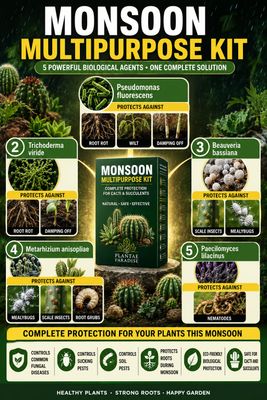
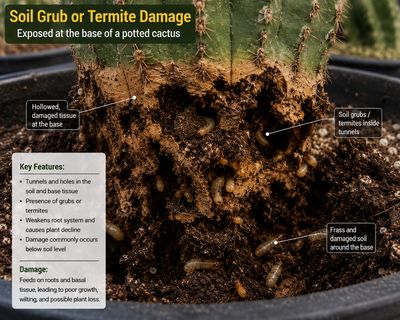
Monsoon Guardian Kit (5 in 1)
Monsoon Guardian Kit (5 in 1)
Complete 5-in-1 biological protection kit for cacti & succulents
SKU MNS024
₹850.00
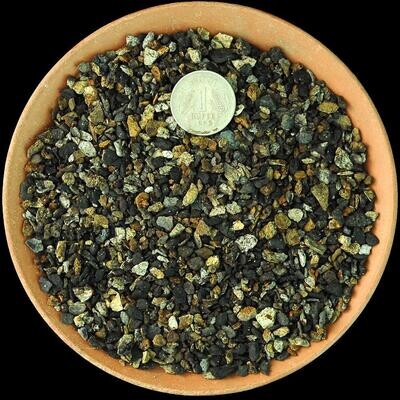
Cactus & Succulent Planting Mix COARSE (aka Cactus Soil Mix or Succulent Soil Mix)
Cactus & Succulent Planting Mix COARSE (aka Cactus Soil Mix or Succulent Soil Mix)
Washed, Free-Draining Mineral Mix for Cactus & Succulents
SKU MNS003
₹44.85

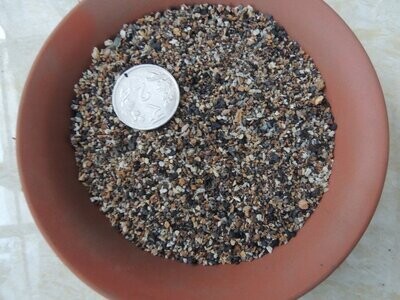
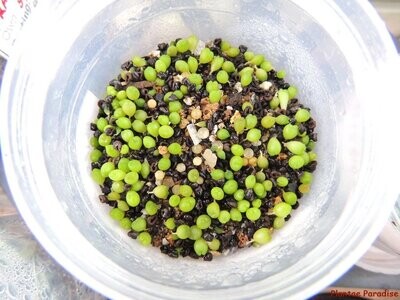
Cactus Seed Planting Mix
Cactus Seed Planting Mix
Sterile, Fine-Grain Media for Cactus & Succulent Seeds
SKU MNS005
₹74.85