

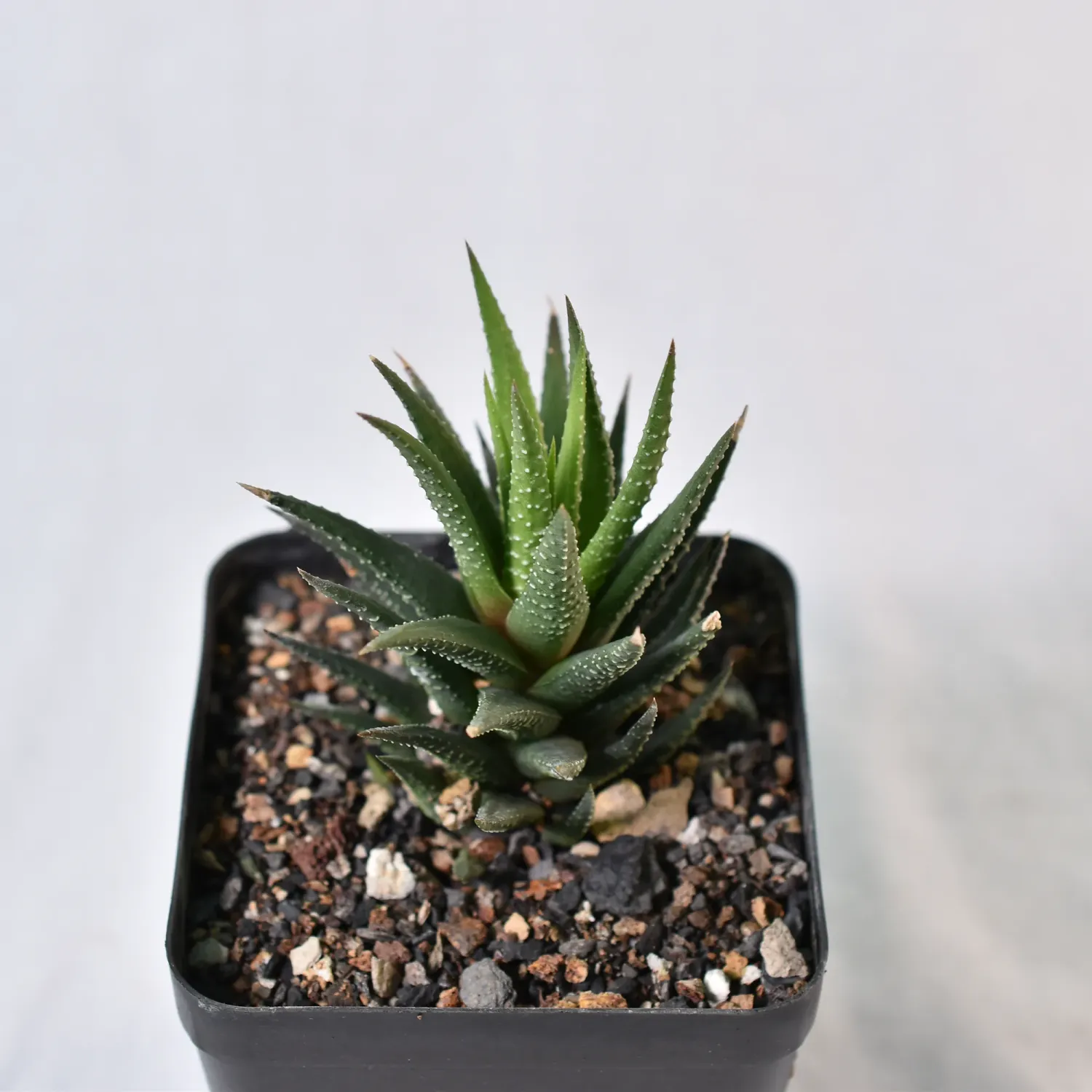
Haworthia reinwardtii hybrid
Product Details
Sculptural Elegance: Haworthia reinwardtii Hybrid
A striking architectural rarity, this hybrid offers a sophisticated, modern silhouette for the discerning succulent collector.
- Origin & History of Name: The genus Haworthia honors British botanist Adrian Hardy Haworth (1767–1833), who contributed significantly to succulent classification.
- Morphology: This succulent is characterized by an upright, columnar growth habit consisting of densely packed, incurved leaves.
- Habitat & Origin: While the parent H. reinwardtii is native to the Eastern Cape Province of South Africa, this specific plant is a cultivar produced through selective nursery breeding. Our specimens are propagated via offsets or tissue culture, ensuring a sustainable alternative to wild-harvested plants and preserving natural South African biodiversity.
- Cultivation Profile:
- Substrate: Use a strictly mineral-based mix (60% coarse sand, pumice, or crushed brick and 40% organic matter). Avoid standard garden soil which retains too much humidity in Indian climates.
- Light: Bright, indirect light. In the Indian subcontinent, protect from harsh 12:00 PM – 4:00 PM summer sun to prevent leaf scorching; a north or east-facing balcony is ideal.
- Water/Dormancy: Follow a "soak and dry" method. Water thoroughly, then allow the medium to dry completely. Reduce watering significantly during the peak monsoon (due to high humidity) and the winter dormancy period (December–January).
- Scientific/Historical Anecdote: Haworthia were once classified under the same genus as Aloe due to their similar succulent rosettes.

New

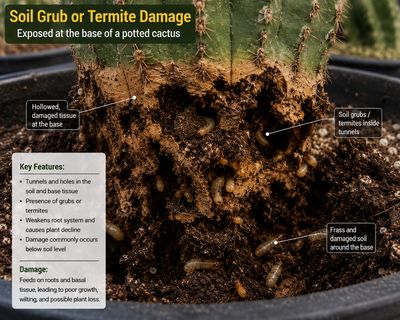
Monsoon Guardian Kit (5 in 1)
Monsoon Guardian Kit (5 in 1)
Complete 5-in-1 biological protection kit for cacti & succulents
SKU MNS024
₹850.00

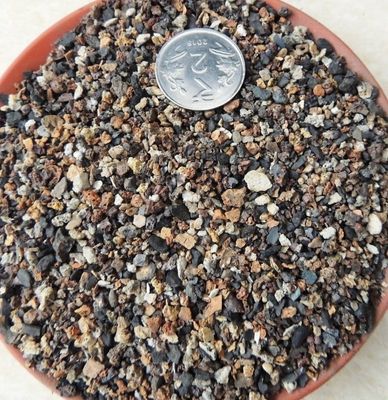
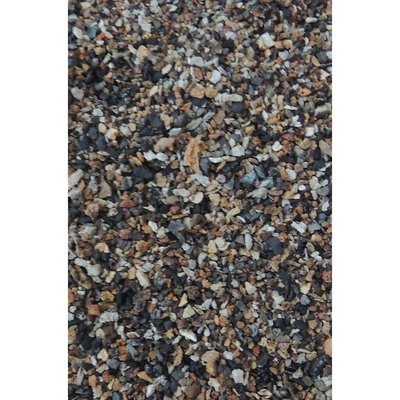
Cactus & Succulent Planting Mix FINE (aka Cactus Soil Mix or Succulent Soil Mix)
Cactus & Succulent Planting Mix FINE (aka Cactus Soil Mix or Succulent Soil Mix)
Fine-Grain Potting Mix for Cactus & Succulent Roots
SKU MNS001
₹39.85