Origin of Name
Haworthia reinwardtii var. coarctata is named in a manner that reflects both its botanical characteristics and historical background. The genus 'Haworthia' is named after Adrian Hardy Haworth, a distinguished British botanist known for his work with succulents. The species 'reinwardtii' honors Caspar Georg Carl Reinwardt, a renowned German-Dutch botanist. The variety name 'coarctata' comes from Latin, meaning 'pressed together' or 'constricted', aptly describing the plant's growth habit of forming tightly packed leaves.
Technical Description of Plant
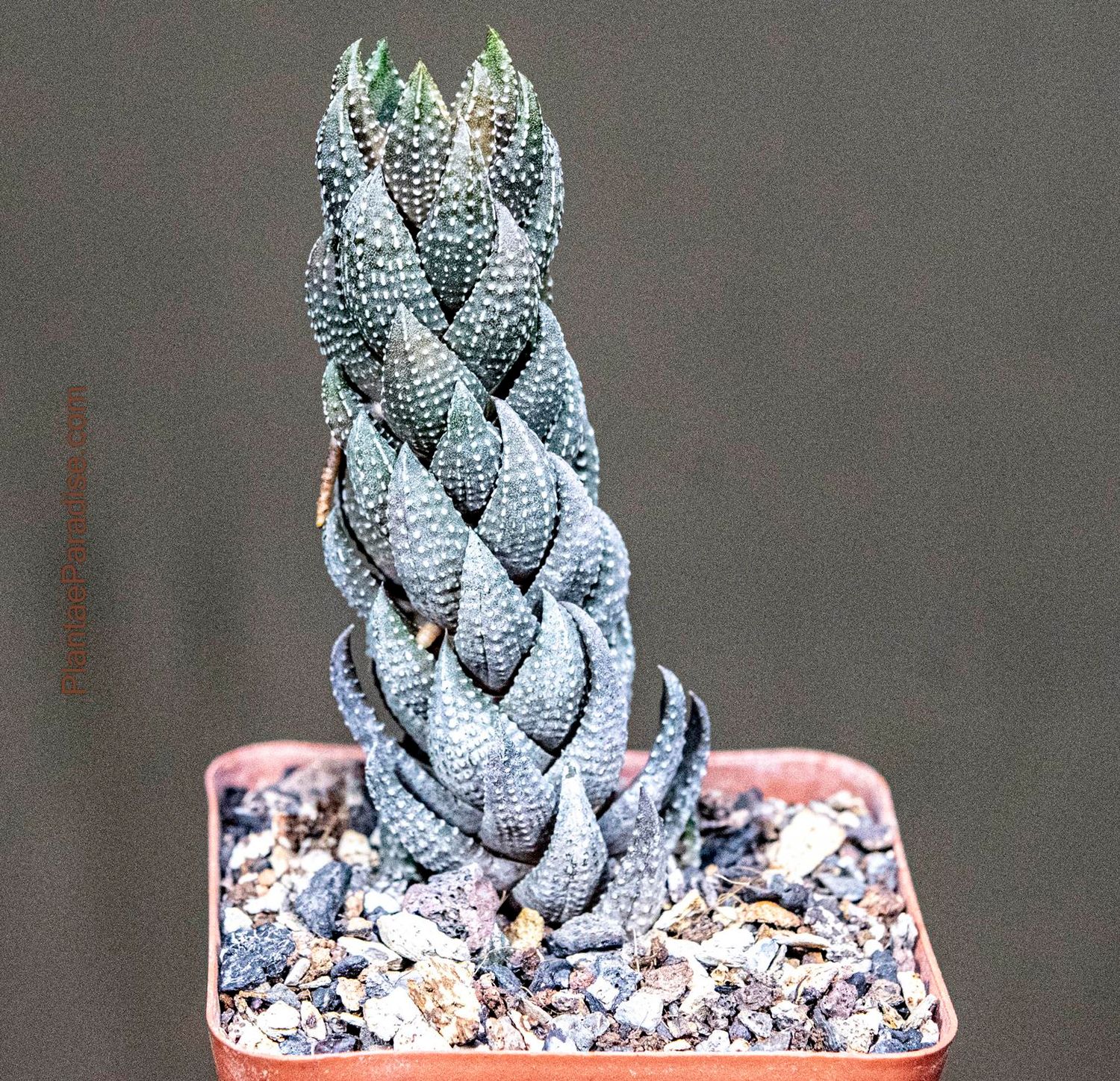
Haworthia reinwardtii var. coarctata is recognized for its striking and compact growth form. This succulent typically develops elongated, cylindrical stems that are densely packed with overlapping leaves. The leaves are dark green, often with lighter white or creamy tubercles, giving them a textured appearance. The plant grows in a stacked, columnar manner and can reach several inches in height, forming clusters over time. It blooms with small, tubular white or pink flowers on slender stems, but the main attraction is the foliage with its intricate patterns.
Origin of Plant
Haworthia reinwardtii var. coarctata is native to the Eastern Cape Province of South Africa. It typically grows in semi-arid regions and rocky areas, where it has adapted to thrive in well-drained soils and shaded conditions.
Conservation Status
As of the latest information, Haworthia reinwardtii var. coarctata is not listed as an endangered or threatened species. However, all species of Haworthia require careful management and conservation due to the growing popularity of succulents and pressures on their natural habitats.
Care Instructions
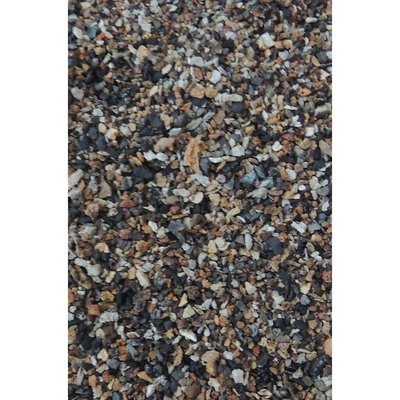
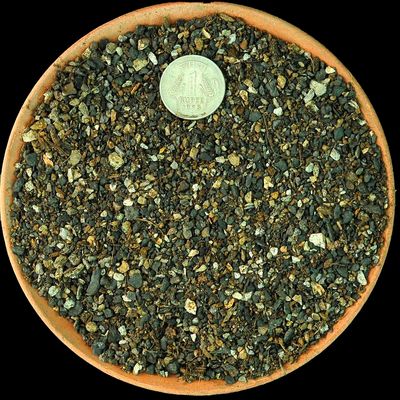
Haworthia reinwardtii var. coarctata prefers bright, indirect light but can tolerate partial shade. It should be protected from intense direct sunlight to prevent leaf scorch. A well-draining soil mix suited for succulents is ideal. Water moderately during the active growing season, allowing the soil to dry out completely between waterings, and reduce watering in the winter. This variety is not frost-tolerant and should be protected from cold temperatures. Fertilization is not essential but can be done with a diluted succulent fertilizer during the growing season.