Haworthia retusa
Origin of Name:
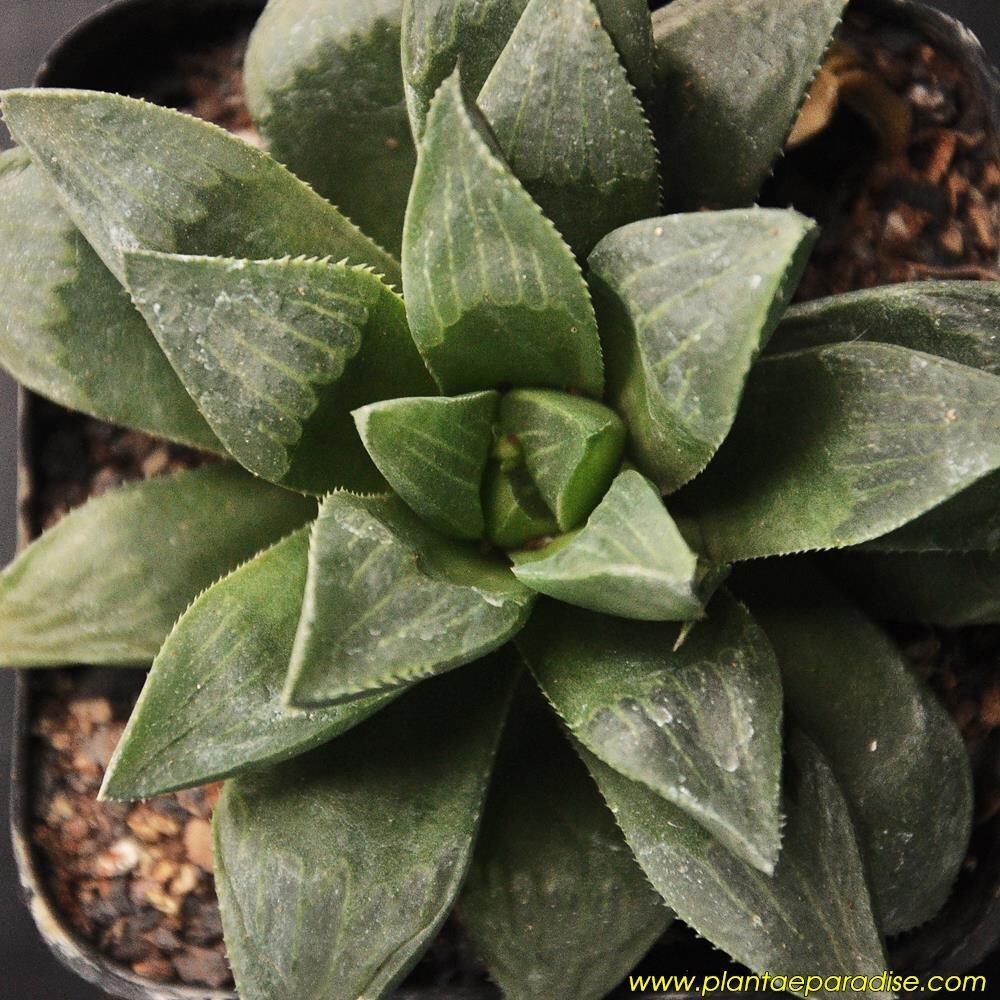
The genus Haworthia is named after Adrian Hardy Haworth (1767–1838), an influential British botanist celebrated for his pioneering work on succulents and cacti. The species name retusa comes from Latin, meaning “retuse” or “notched,” referring to the distinctive shape of the leaf tips. The term retusa describes the characteristic leaf morphology with a detail that sets this species apart—its leaves have a crescent-shaped notch at the tip, resembling a concave or “notched” edge.
Origin of Plant:
Native to South Africa’s arid, rocky regions, particularly around the Cape Province, Haworthia retusa is adapted to rocky slopes and shaded sporadic spots that offer protection from intense sunlight while providing well-drained soils. It was first described based on specimens collected by early explorers and botanists in the 19th century. Its unique, geometric form and ease of cultivation have made it a favorite among succulent enthusiasts across the globe.
Description:
Haworthia retusa features a rosette of thick, fleshy, triangular leaves that are sharply pointed. The leaves are arranged in a symmetrical, low-growing pattern, with their tips deeply notched with a distinctive crescent shape—hence the epithet "retusa." The coloration varies from dark green to bluish-green, often with translucent windows on the upper surface, which serve to maximize light absorption in its native shady, rocky habitat.
The plant rarely produces flowers, but when it does, slender stalks emerge bearing tiny, tubular, white flowers. Its unique geometric form and “windowed” leaves (which filter light into the plant) make Haworthia retusa a sought-after ornamental, symbolizing architectural beauty and resilience in miniature form.
Conservation Status:
Haworthia retusa is widely cultivated for ornamental purposes, and its propagation is common in nurseries around the world. It does not face significant threats in cultivation and is not currently listed as endangered. Its popularity in cultivation supports conservation through responsible propagation and collection.
Care:
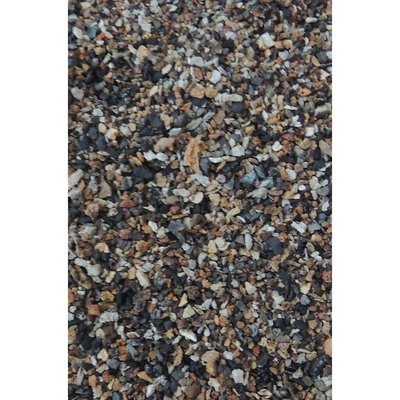
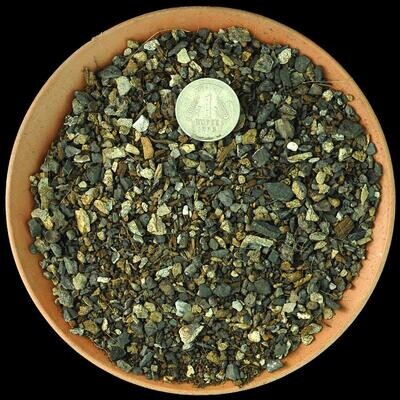
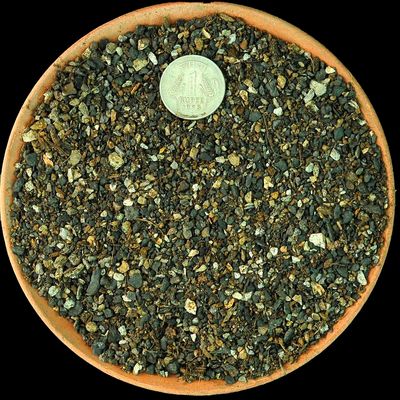
- Soil: Use a well-draining succulent or cactus mix.
- Watering: Water sparingly; allow the soil to dry out completely between watering, especially during the winter months.
- Light: Bright, indirect sunlight; filtered light or partial shade helps maintain leaf coloration and prevent scorched tips.
- Temperature: Prefers 60-80°F (15-27°C); protect from frost.
- Fertilizer: Light feeding during the active growing season with a succulent fertilizer.
Interesting Anecdote or Historical Significance:
Named retusa for its distinctive notched leaf tips—resembling a crescent or “retuse” shape—this species embodies the delicate interplay of architecture and adaptation. Its “windowed” leaves—succulent translucent areas—allow it to optimize light absorption in shaded rocky environments, symbolizing ingenious survival and minimalistic elegance. Revered by succulent collectors, Haworthia retusa stands as a living example of nature’s architectural ingenuity and resilience in one of the world’s harshest habitats.