Thick n Rough n Frosty WIndows
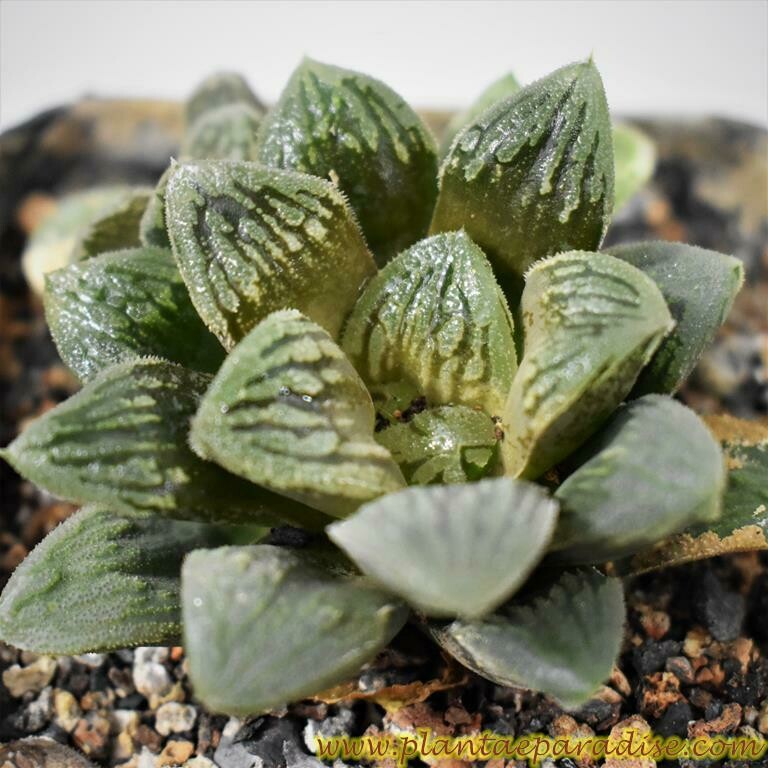
Haworthia pygmaea x truncata with thick frosty windows is a captivating hybrid succulent renowned for its miniature size, textured ridged windows, and frosted, almost icy appearance. Its unique combination of delicate and architectural traits makes it a striking centerpiece for any succulent collection.
1. Origin of Name:
The genus "Haworthia" honors Adrian Hardy Haworth (1767–1833), a distinguished English botanist celebrated for his work on succulents and cacti. The species names "pygmaea" and "truncata" reflect its hybrid origin, combining the petite, dwarf traits of Haworthia pygmaea with the bold, flattened leaf shape of Haworthia truncata. The introduction of "frosted" or "thick" windows refers to the plant’s thick, translucent leaf tips that exhibit a frosty, almost icy coating, giving the plant a distinctive, crystalline appearance. This hybrid emphasizes the resinous, icy look of the windows—often called "frosted windows"—adding a shimmering, textured effect that resembles tiny frozen panes.
2. Origin of Plant:
This hybrid was cultivated through selective breeding by succulent enthusiasts and nursery growers, originating from hybridization efforts to produce a miniature, architectural plant with thick, frosted, ridged windows. It is widely propagated in collections worldwide and valued for its textured, icy look, symbolizing resilience and elegance in arid environments. Its natural habitat would include rocky outcrops and cliffs where water conservation and light reflection are vital, inspired by the drought-tolerant adaptations seen in native South African succulents.
3. Description:
Haworthia pygmaea x truncata with thick frosty windows features tiny, wedge-shaped leaves arranged in a low, sprawling rosette. The striking feature is the "windows" at the leaf tips, which are thick, translucent, and heavily frosted—creating a crystalline, icy appearance. These windows are ridged, with textured ridges running across the transparent surface, adding dimension and tactile interest. The overall form resembles miniature, frosted architectural tiles or sculptures, with a mesmerizing, icy shimmer. The leaves are typically green but appear almost glass-like due to the thick, frosted windows that capture and reflect light, bestowing the plant with a wintery, enchanted look.
4. Conservation Status:
As a cultivated hybrid, this plant is widely propagated in nurseries and botanical collections, with no significant threat in the wild. Its popularity and responsible cultivation support sustainable practices, ensuring its availability without impacting natural habitats. Its distinctive icy aesthetic continues to fascinate collectors around the world.
5. Care:
- Lighting: Bright, indirect light; can tolerate some direct morning sun, but shield from intense afternoon rays to maintain the frosty appearance.
- Watering: Water sparingly, allowing the soil to dry out thoroughly between waterings. Reduce watering in winter.
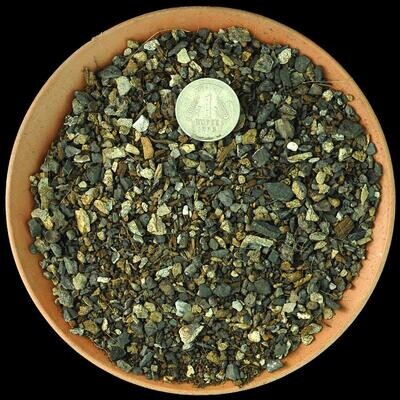
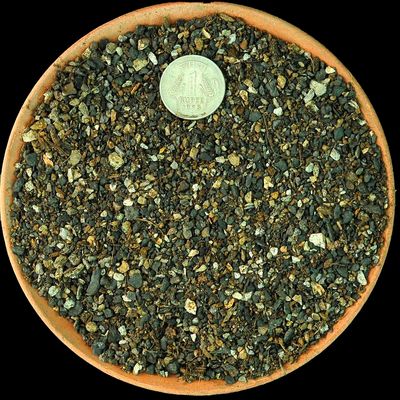
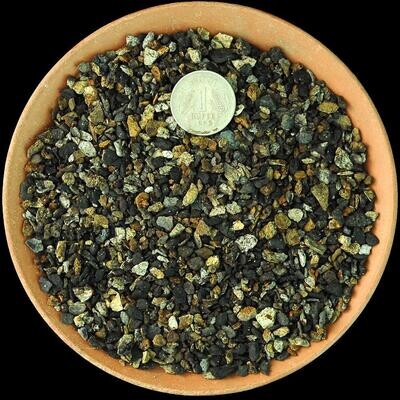
- Soil: Use a well-draining succulent or cactus mix with coarse sand or pumice for optimal drainage.
- Temperature: Prefers warm temperatures from 65°F to 80°F (18°C to 27°C); protect from frost by bringing indoors or providing frost cloth in colder climates.
- Additional Tips: Avoid overwatering; its thick, frosted windows are prone to rot if exposed to excess moisture. Fertilize lightly during the growing season with a diluted cactus or succulent fertilizer.
6. Interesting Anecdote:
Many enthusiasts regard this hybrid as a “miniature icy sculpture,” often admired for its crystalline, frost-like windows that appear as if coated with ice. Its shimmering, icy appearance has inspired art, jewelry, and decorative motifs—symbolizing purity and resilience. Locals and collectors alike believe that the thick, frosty windows are a natural shield, reflecting sunlight and protecting the plant's delicate interior from intense desert heat, much like a tiny, living winter wonderland.
Add this stunning hybrid to your collection for an enchanting, crystalline piece of natural art—combining resilience with a mesmerizing, icy beauty that captures the spirit of winter in miniature form!