

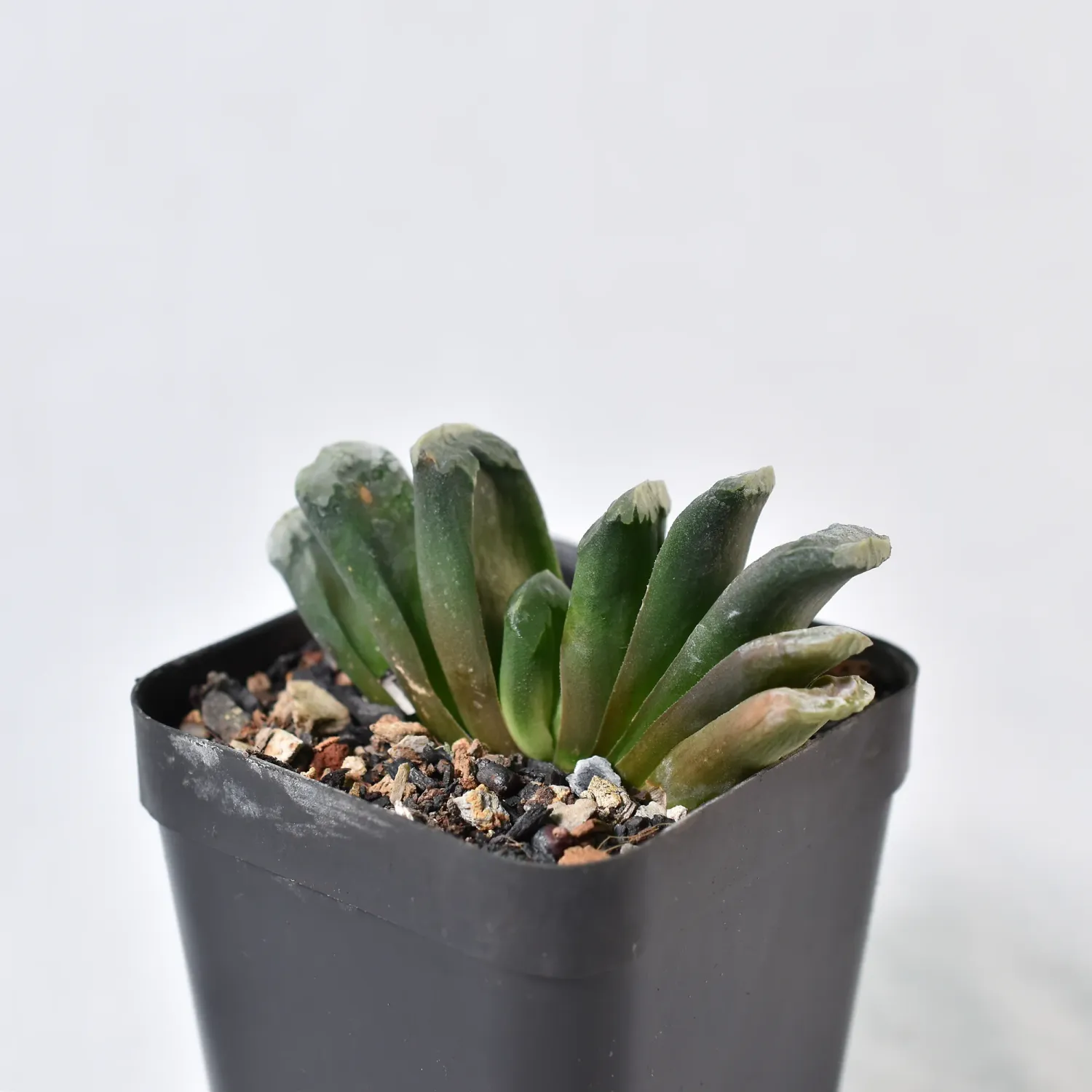
Haworthia truncata
Product Details
Architectural Marvel: Haworthia truncata
A living sculpture for the connoisseur, featuring unique "windowed" leaves that appear precisely sliced by hand.
- Origin & History of Name: The genus Haworthia honors British botanist Adrian Hardy Haworth (1767–1833), a pioneer in succulent classification.
- Morphology: This succulent is distinguished by its distichous growth habit, where leaves emerge in two opposite vertical rows like a fan. The epidermis is thick and rugose (warty), while the flat, rectangular leaf tips are actually translucent epidermal windows.
- Habitat & Origin: This is a wild species native to the Little Karoo region of the Western Cape, South Africa.
- Cultivation Profile:
- Substrate: Use a strictly mineral-based mix (70% pumice, perlite, or crushed leca mixed with 30% coarse sand and minimal organic matter) to prevent root rot in humid Indian climates.
- Light: Requires bright, indirect light.
- Water/Dormancy: Follow a "soak and dry" method.
- Scientific/Historical Anecdote: Haworthia truncata is a master of mimicry. In the wild, it grows flush with the soil surface, often covered by dust and pebbles. This "geophytic" lifestyle makes it nearly invisible to herbivores, leaving only its transparent "windows" exposed to catch the sun—essentially acting like a natural fiber-optic system.
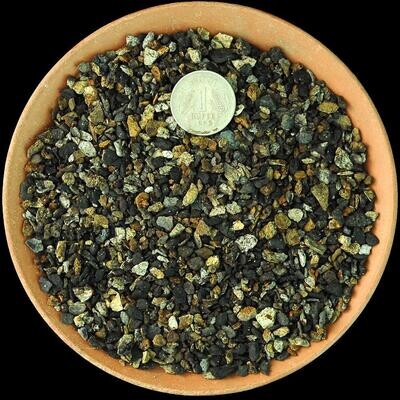
Cactus & Succulent Planting Mix COARSE (aka Cactus Soil Mix or Succulent Soil Mix)
Cactus & Succulent Planting Mix COARSE (aka Cactus Soil Mix or Succulent Soil Mix)
Washed, Free-Draining Mineral Mix for Cactus & Succulents
SKU MNS003
₹44.85
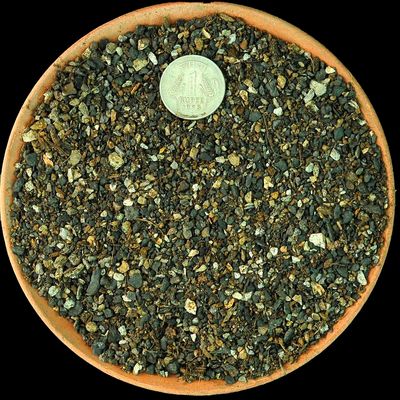
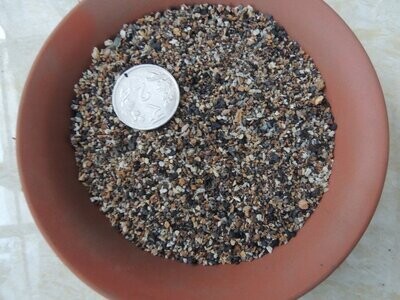
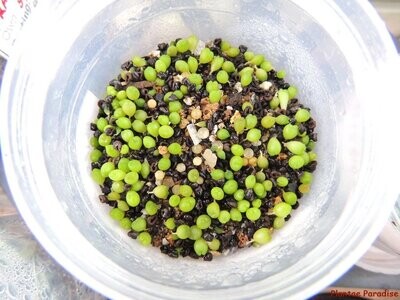
Cactus Seed Planting Mix
Cactus Seed Planting Mix
Sterile, Fine-Grain Media for Cactus & Succulent Seeds
SKU MNS005
₹74.85
New

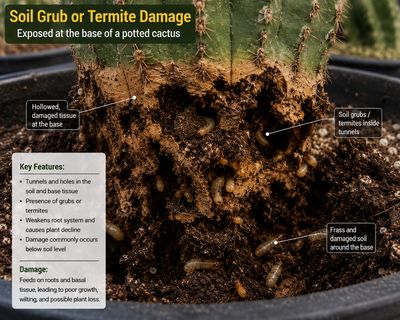
Monsoon Guardian Kit (5 in 1)
Monsoon Guardian Kit (5 in 1)
Complete 5-in-1 biological protection kit for cacti & succulents
SKU MNS024
₹850.00