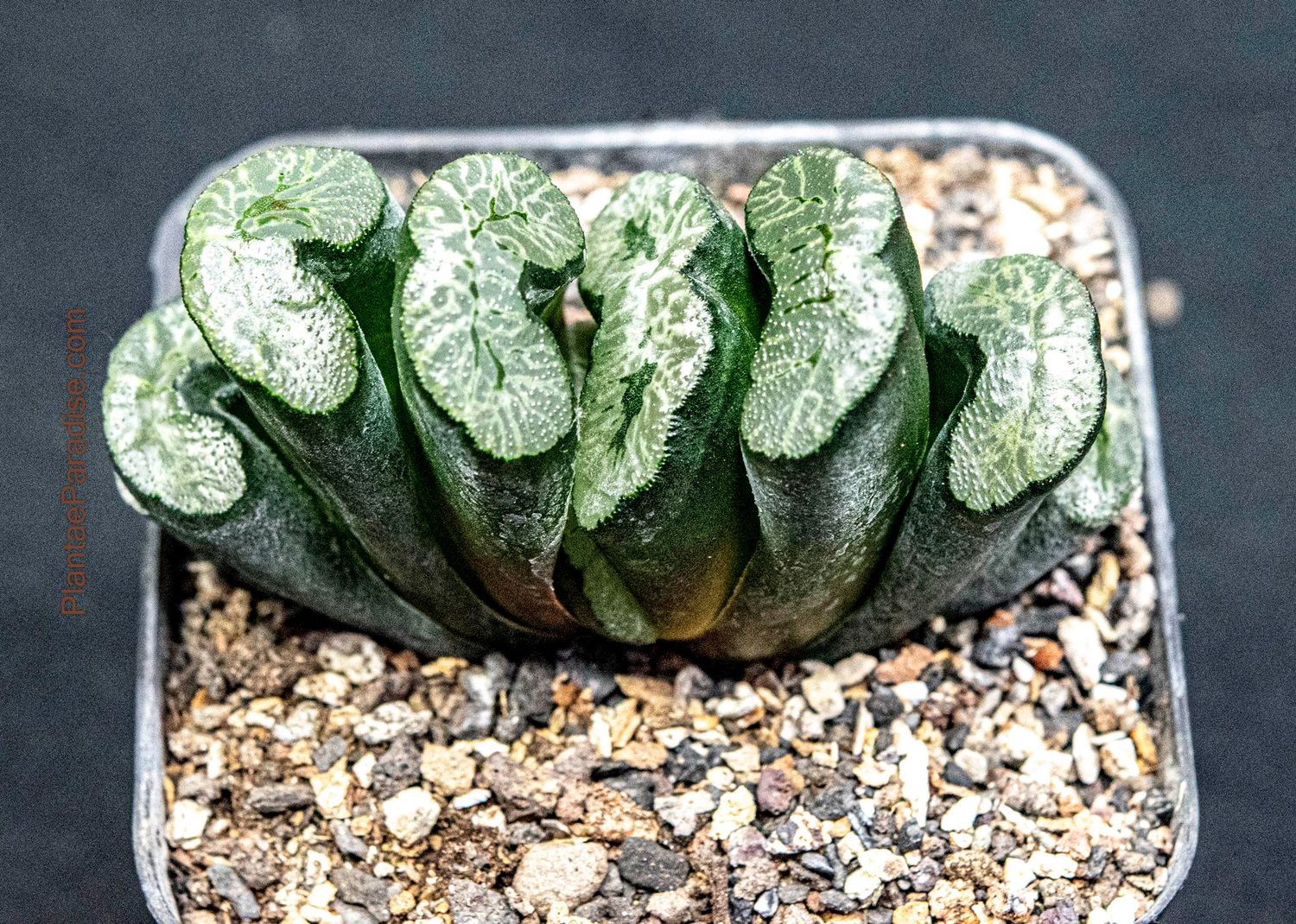
Haworthia truncata with thin, broad, and wavy leaves reminiscent of horse teeth is an extraordinary succulent that stands out for its unique and sculptural form. Its captivating, wavy leaf structure makes it a favored choice for collectors interested in architecturally intriguing plants.
1. Origin of Name:
The genus "Haworthia" is named after Adrian Hardy Haworth (1767–1833), a distinguished English botanist recognized for his exhaustive study of succulents and cacti. The species name "truncata" means "cut off" or "truncated" in Latin, describing the plant’s characteristic flat-topped, truncated leaf tips. This particular variety with "thin, broad, and wavy leaves" emphasizes its unusual shape, where the leaf margins undulate in a manner reminiscent of the crowns of horse teeth. The description highlights its distinctive, contoured appearance, likened to natural artistry observed in equine dental structures.
2. Origin of Plant:
Haworthia truncata is native to South Africa, specifically in the rocky, arid regions of the Western Cape. It naturally inhabits rocky slopes, cliffs, and crevices, where it has adapted to maximize water retention and withstand intense sunlight conditions. The unique form described here is often a result of selective breeding in horticultural settings, where specific traits are enhanced to create visually intriguing specimens prized by succulent enthusiasts.
3. Description:
This variety of Haworthia truncata features broad, flattened leaves that grow in a rosette or fan-like pattern. The thin, broad leaves have wavy, sculptural edges that resemble the wide, undulating patterns of horse teeth crowns. These leaves are adorned with translucent "windows" near their truncated tips, allowing sunlight to penetrate deeply, enhancing photosynthesis. The remarkable wavy form, combined with varying shades of green, creates a dynamic and fluid aesthetic, giving the plant an appearance reminiscent of natural wave formations or flowing sculptures.
4. Conservation Status:
Wild populations of Haworthia truncata can be vulnerable to habitat disruption, but this unique form is widely propagated in cultivation and readily available through specialty nurseries worldwide. Its popularity helps ensure that wild populations remain protected, and responsible propagation supports conservation efforts.
5. Care:
- Lighting: Prefers bright, indirect sunlight; some direct morning sun can enhance its wavy leaf texture and color while avoiding harsh afternoon rays.
- Watering: Water sparingly, allowing the soil to dry out thoroughly between waterings, particularly in winter when growth slows.
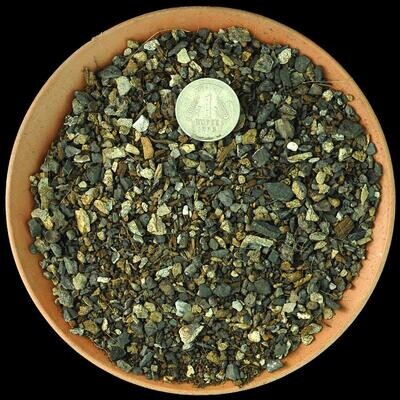
- Soil: Use a quickly draining cactus or succulent mix with added coarse sand or pumice to optimize drainage.
- Temperature: Prefers warm temperatures from 65°F to 85°F (18°C to 29°C); protect from frost by bringing indoors or employing frost protection during colder temperatures.
- Additional Tips: Be cautious of overwatering, as this can lead to root rot. Fertilize lightly during the growing season using a balanced, diluted cactus fertilizer for optimal health.
6. Interesting Anecdote:
Haworthia truncata with its horse teeth-like leaf formations is often seen as a "living sculpture," cherished for its artful wave-like patterns that echo natural elements and ancient designs. Many compare its intricate foliage to the elegant curves found in nature and time-worn landscapes, embodying resilience and beauty. This particular form is embraced not only for its visual and textural intrigue but also as a symbol of strength and natural artistry, celebrated in modern plant design and collections.
Add this enchanting, wavy-leaved Haworthia truncata to your collection and enjoy a living masterpiece—an emblem of sculptural elegance and natural resilience!