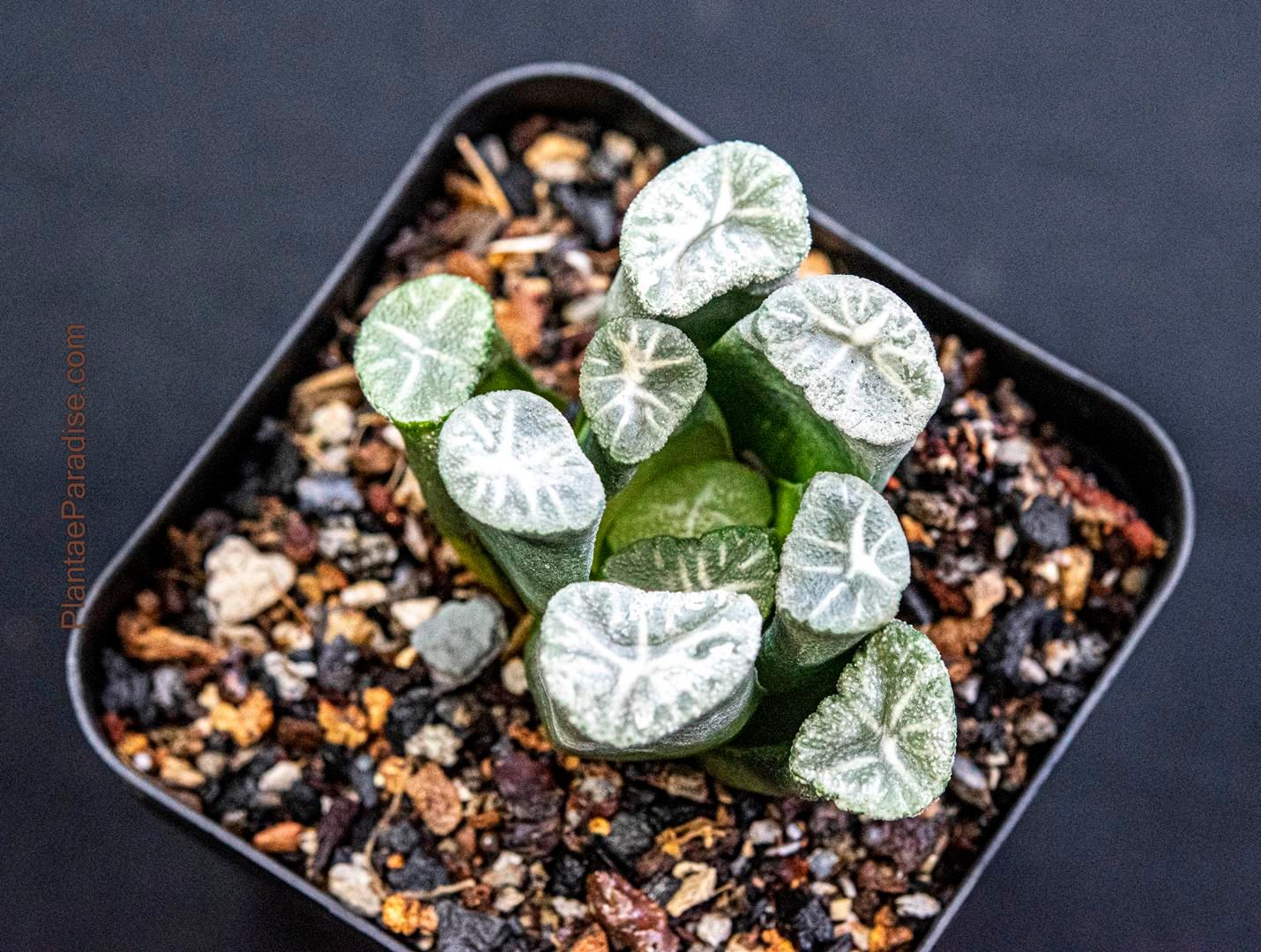
Haworthia truncata var. maughanii is a distinctive succulent celebrated for its flattened, truncated leaves and bold, architectural form. Its unique, almost sculptural appearance makes it an eye-catching addition for collectors seeking striking desert plants.
1. Origin of Name:
The genus "Haworthia" honors Adrian Hardy Haworth (1767–1833), a pioneering English botanist recognized for his work on succulents. The species name "truncata" means "cut off" or "truncated" in Latin, describing the plant’s characteristic flat-topped, sliced leaf tips. The variety "maughanii" pays tribute to Sir William Maughan, a botanist and plant collector known for his contributions to South African flora. This variety's name highlights its distinct, truncated, and sculptural leaves, emphasizing its natural, geometric beauty and its connection to botanical exploration.
2. Origin of Plant:
Haworthia truncata var. maughanii is native to the rocky, arid regions of South Africa, particularly in the Western Cape. It naturally grows in steep cliffs, rocky slopes, and crevices where water drains rapidly and sunlight is intense. Its natural habitat's rugged terrain influences its flattened, truncated leaves and low-growing, sculptural form, enabling it to survive harsh drought conditions. This variety has been cultivated and propagated extensively in horticulture, prized for its architectural, fortress-like appearance.
3. Description:
This variety features broad, wedge-shaped leaves that are flattened and truncated at the tips—resembling miniature, geometric, block-like tiles. The leaves often display a matte green or bluish-green hue, with translucent "windows" near the tips that allow sunlight penetration into the leaf interior. The truncated leaf tips end in a flat, almost finished “cut,” giving the plant a distinctive, layered, and geometric profile—resembling a tiny, sculpted mosaic or miniature construction element. The plant’s bold form makes it a perfect specimen for creating striking, architectural displays or living art pieces.
4. Conservation Status:
Due to its natural range in rugged, rocky habitats, wild populations of Haworthia truncata var. maughanii can be vulnerable to habitat disturbance. However, it is actively propagated in cultivation, and responsible horticultural practices help preserve its natural populations. Its popularity in succulent collections worldwide supports conservation and sustainable propagation, reducing the pressure on wild specimens.
5. Care:
- Lighting: Bright, direct sunlight; ideal for emphasizing its geometric, block-like form. Avoid intense afternoon sun to prevent leaf scorch.
- Watering: Water sparingly, allowing fully dry soil between watering. Reduce watering during winter dormancy.
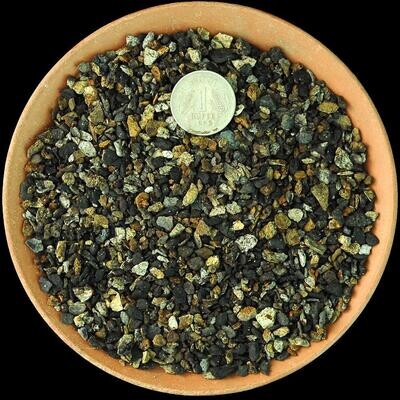
- Soil: Use a well-draining cactus or succulent mix with coarse sand or pumice.
- Temperature: Prefers warm conditions from 65°F to 85°F (18°C to 29°C); protect from frost—bring indoors or use frost protection before winter temperatures drop.
- Additional Tips: Proper drainage and minimal watering prevent root rot. Fertilize lightly during the growing season with a diluted cactus fertilizer.
6. Interesting Anecdote:
In South Africa, this sculptural plant is admired as a miniature fortress—its blocky, truncated leaves resembling tiny architectural bricks or fortress walls. Some believe it symbolizes strength and resilience amid rugged terrains, inspiring local artisans who incorporate its geometric forms into jewelry and miniature sculptures. Its architectural beauty has also made it a favorite among landscape designers and bonsai artists, celebrated as a natural “living sculpture” embodying the quiet power of geometric perfection.
Add the bold, sculptural elegance of Haworthia truncata var. maughanii to your collection and enjoy a miniature, fortress-like masterpiece—an extraordinary example of natural architecture and resilience!