1. Origin of Name:
The genus "Haworthia" commemorates Adrian Hardy Haworth (1767–1833), an accomplished English botanist who extensively studied succulents and cacti. The species name "maughanii" honors Sir William Maughan, a 19th-century botanist and plant collector known for his work on South African succulents. The designation “hybrid Kikuju” references a specific cultivated crossbreed, with "Kikuju" being a name given by growers or breeders, possibly inspired by a cultural or geographic element. This hybrid combines traits from Haworthia truncata var. maughanii and other species, resulting in a plant with distinctive, low-growing, truncated leaves adorned with transparent windows, reminiscent of Japanese naming conventions that evoke elegance and simplicity.
2. Origin of Plant:
This hybrid originated in cultivated environments, nurseries, or botanical collections where passionate breeders combined Haworthia truncata var. maughanii with other Haworthia or related species. The goal was to create an ornamental succulent with a striking geometric form and unique "windowed" leaves. It represents a blend of natural adaptations and cultivated aesthetics, reflecting the ingenuity of horticulturists dedicated to enhancing succulent diversity.
3. Description:
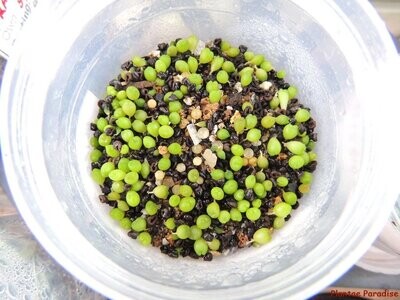
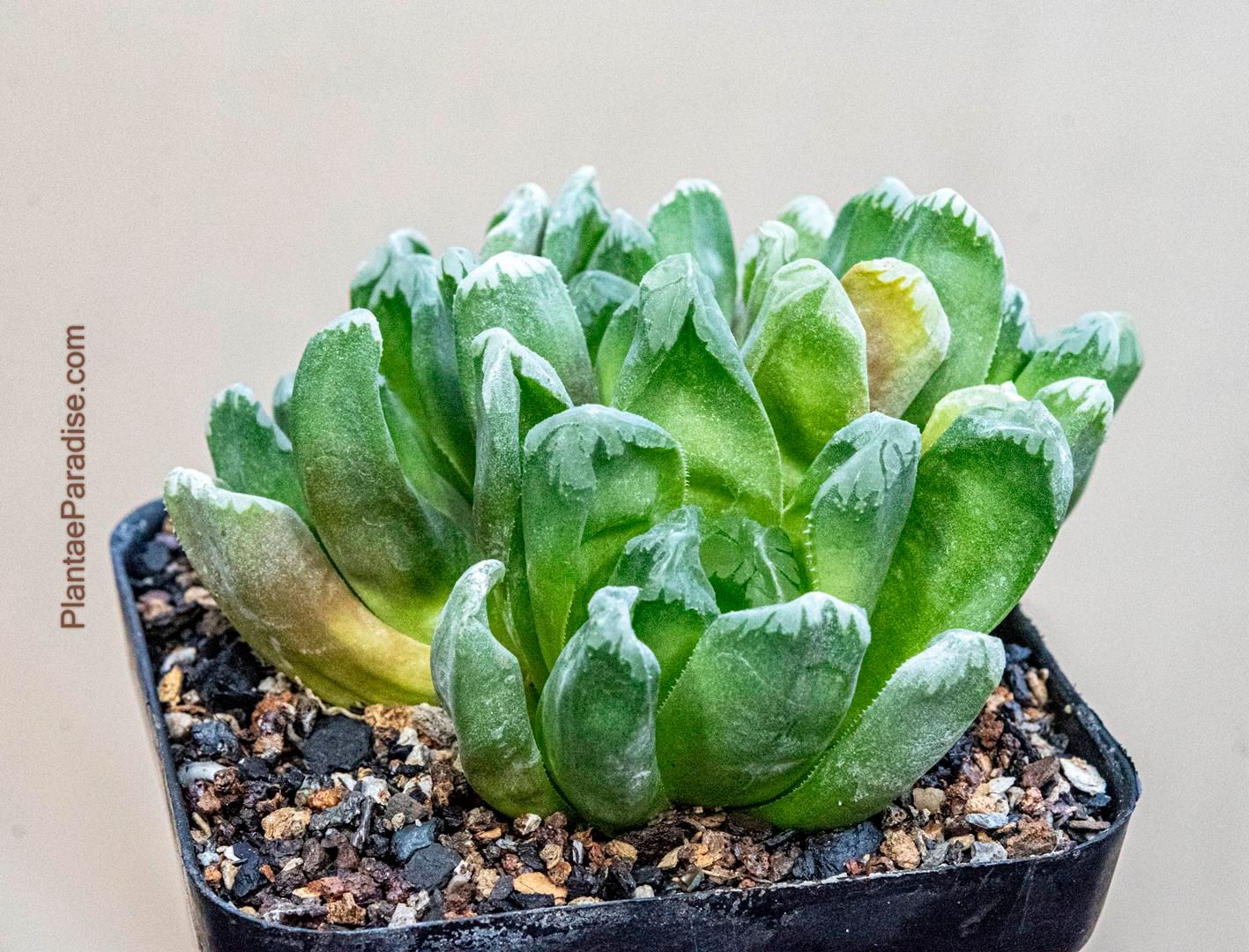
Haworthia truncata var. maughanii hybrid Kikuju features low, stubby leaves arranged in an attractive, tightly packed rosette. The leaves are short, broad, and truncate at the tips, giving them a distinctive "cut-off" appearance. Each leaf has a series of translucent "windows" on the upper surface, allowing light to penetrate into the plant’s interior—an adaptation for surviving in bright, arid environments. The plant’s overall look is geometric and architectural, resembling tiny, flattened pyramids or truncated rectangles with a smooth or slightly textured surface. The "spines" or ridges at the leaf tips add a subtle, decorative detail, enhancing its sculptural appeal. During blooming, it produces small, white, tubular flowers on slender stalks.
4. Conservation Status:
As a cultivated hybrid, Haworthia truncata var. maughanii hybrid Kikuju is widely propagated and not currently at risk. Its popularity ensures a steady supply through nurseries and hobbyist growers. Sustainable cultivation practices help preserve the unique traits of this hybrid and support responsible appreciation of these fascinating plants.
5. Care:
- Lighting: Bright, indirect sunlight; full sun exposure is ideal but protect from harsh afternoon rays to prevent sunburn.
- Watering: Water sparingly, allowing the soil to dry out completely between watering. Reduce watering in winter.
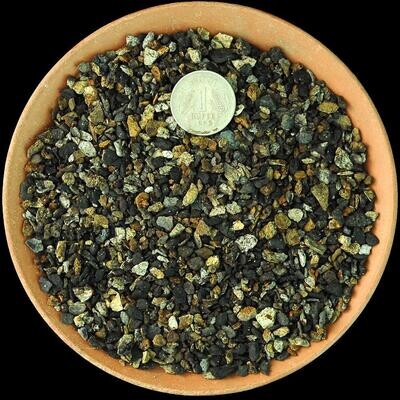
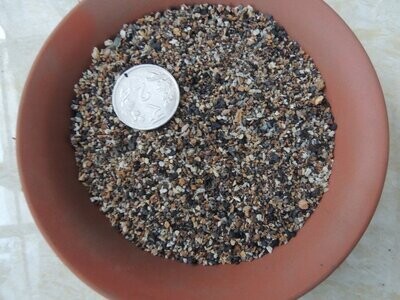
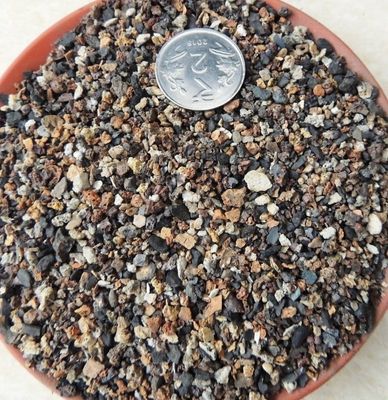
- Soil: Use a well-draining cactus or succulent mix with coarse sand or pumice to prevent water retention.
- Temperature: Prefers warm temperatures between 65°F and 85°F (18°C to 29°C); sensitive to frost—protect or bring indoors during cold weather.
- Additional Tips: Proper drainage is critical to prevent root rot. Avoid overwatering and fertilize lightly during active growth with a cactus or succulent fertilizer.
6. Interesting Anecdote:
In the world of succulents, hybrids like Kikuju are celebrated for their sculptural, almost otherworldly appearance. Enthusiasts often describe their "cut-off" leaf tips as reminiscent of tiny geometric sculptures, symbolizing resilience and artistic innovation. This particular hybrid’s name, “Kikuju,” is inspired by the Japanese word for chrysanthemum, hinting at its delicate yet structured beauty—a testament to the harmony between natural adaptation and cultivated artistry.
Add the mesmerizing, architectural elegance of Haworthia truncata var. maughanii hybrid Kikuju to your collection and enjoy a miniature sculpture of resilience and design!