

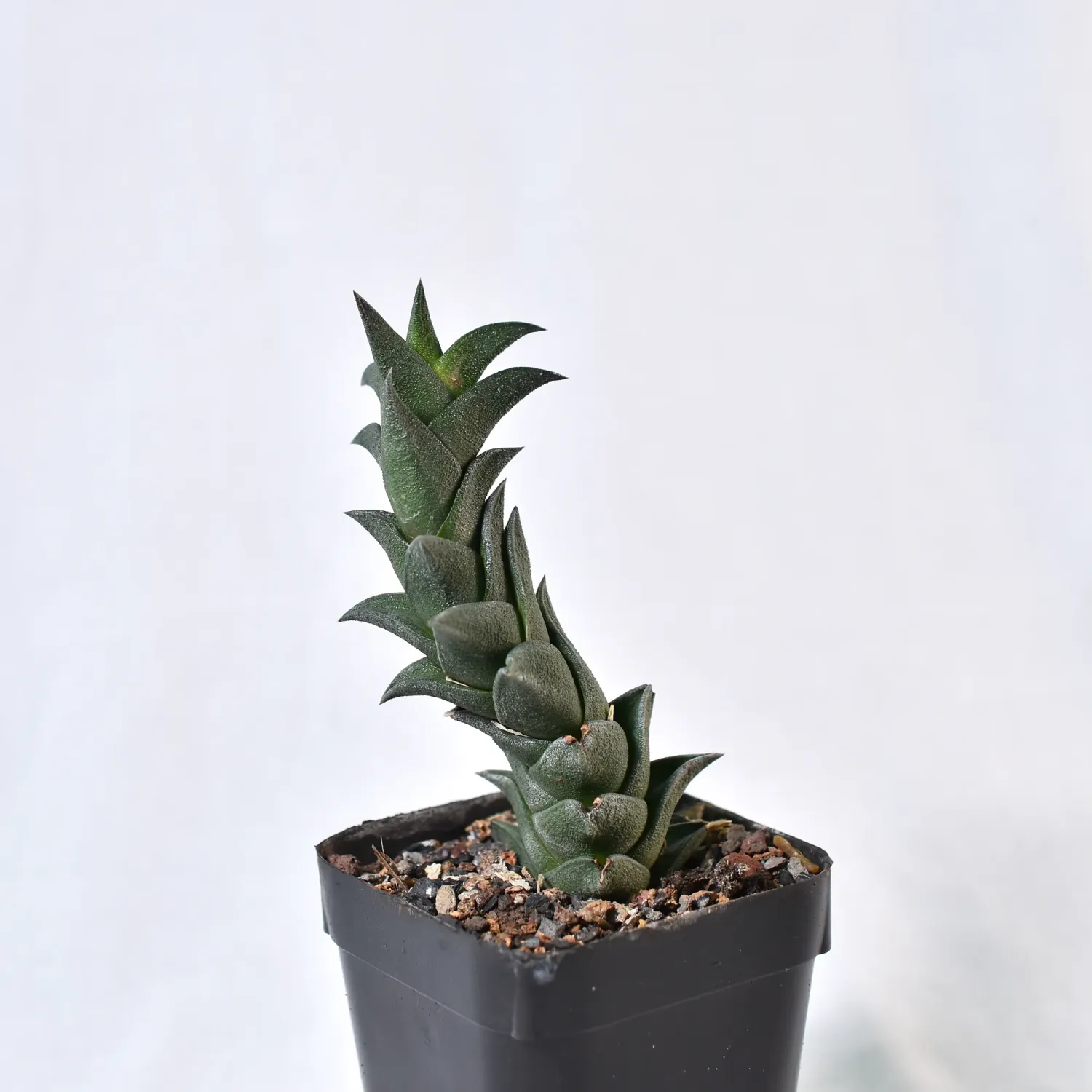
Haworthia viscosa syn Haworthiopsis viscosa
Product Details
Architectural Elegance: Haworthiopsis viscosa
A living sculpture of geometric precision, this tiered rarity is a must-have for the sophisticated succulent collector.
- Origin & History of Name: The genus name Haworthiopsis honors British botanist Adrian Hardy Haworth (1767–1833), while the species epithet viscosa is Latin for "sticky." This name was assigned by Carl Linnaeus in 1753, originally as Aloe viscosa, referring to the slightly viscid or tacky texture of the leaf surfaces observed in certain wild populations.
- Morphology: This species is defined by its trifarious leaf arrangement, meaning the leaves grow in three distinct vertical columns, creating a triangular cross-section.
The epidermis (outer skin) is matte, scabrous (rough), and lacks the white tubercles common in other Haworthias. It is a slow-growing caulescent succulent, eventually forming an upright stem of densely stacked, overlapping leaves. - Habitat & Origin: Haworthiopsis viscosa is a wild species native to the arid Karoo regions of South Africa.
It typically grows in the shade of scrub bushes or nestled within rock crevices. All specimens offered are nursery-propagated via offsets or seed to ensure the protection of wild populations and ecological sustainability. - Cultivation Profile:
- Substrate: Use a strictly mineral-based mix (60% grit/pumice/crushed brick and 40% organic matter). In the Indian climate, high porosity is essential to prevent root rot.
- Light: Bright, indirect light or filtered morning sun. In India, protect from the harsh midday summer sun (40°C+) to avoid "sun-scald" or excessive darkening of the leaves.
- Water/Dormancy: Water thoroughly when the substrate is bone-dry. This plant enters a semi-dormancy during the peak of the Indian monsoon; reduce watering significantly during periods of high humidity to avoid fungal issues.
- Scientific/Historical Anecdote: Despite its common name "sticky Haworthia," many modern cultivated clones have lost the physical stickiness noted by Linnaeus. This trait was likely an evolutionary defense mechanism in the wild, where a viscid coating allowed fine sand to adhere to the plant, providing a layer of camouflage and protection against intense UV radiation.
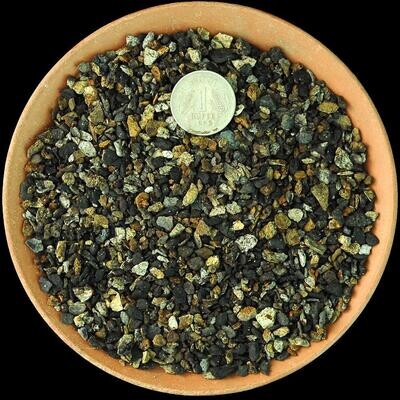
Cactus & Succulent Planting Mix COARSE (aka Cactus Soil Mix or Succulent Soil Mix)
Cactus & Succulent Planting Mix COARSE (aka Cactus Soil Mix or Succulent Soil Mix)
Washed, Free-Draining Mineral Mix for Cactus & Succulents
SKU MNS003
₹44.85

New
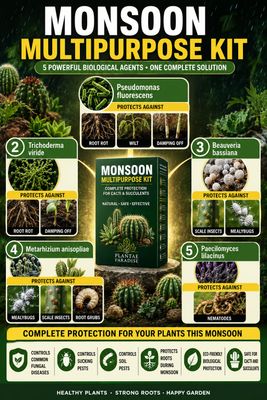
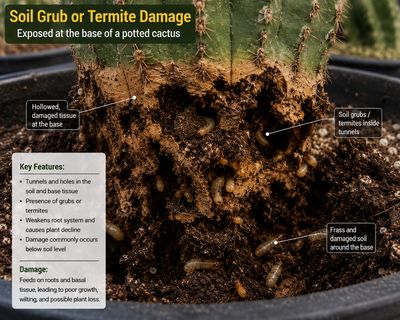
Monsoon Guardian Kit (5 in 1)
Monsoon Guardian Kit (5 in 1)
Complete 5-in-1 biological protection kit for cacti & succulents
SKU MNS024
₹850.00

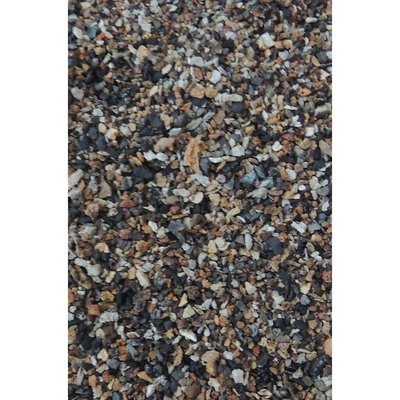
Cactus & Succulent Planting Mix FINE (aka Cactus Soil Mix or Succulent Soil Mix)
Cactus & Succulent Planting Mix FINE (aka Cactus Soil Mix or Succulent Soil Mix)
Fine-Grain Potting Mix for Cactus & Succulent Roots
SKU MNS001
₹39.85