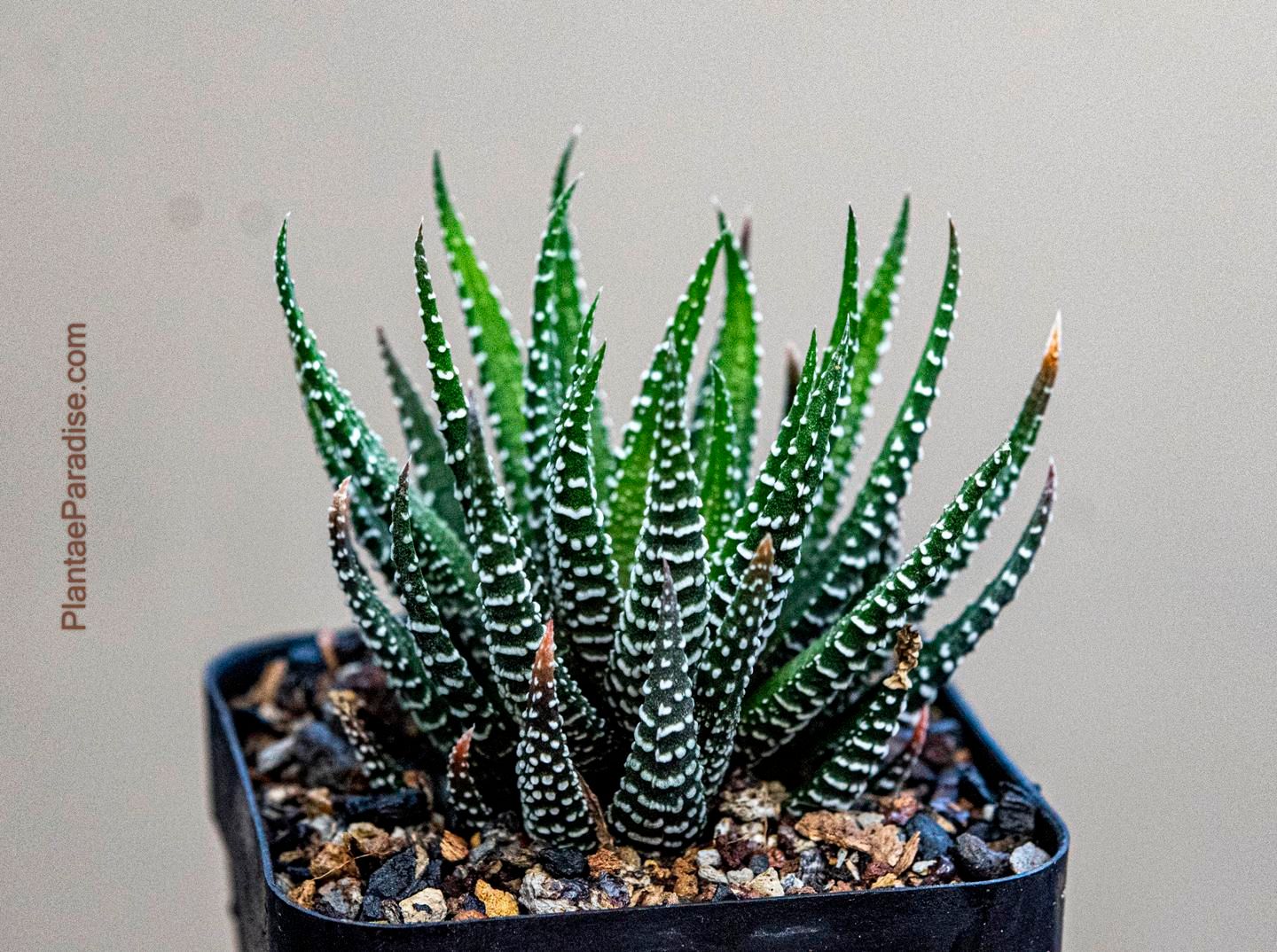
Haworthiopsis attenuata var. radula is an intriguing succulent noted for its textured, architectural form and distinctive leaf markings. Its rugged appearance and dense leaf arrangement make it a captivating choice for collectors seeking unique and durable desert plants.
1. Origin of Name:
The genus name "Haworthiopsis" honors Adrian Hardy Haworth (1767–1833), a celebrated English botanist known for his work on succulents. The species name "attenuata" comes from Latin, meaning "tapering," describing the plant’s pointed leaf shape. The variety "radula" translates to "rasp-like" or "rough," referring to the rough, textured surface of the leaves—akin to a rasp or file. This variety is often called "Zebra Wart" due to its prominent white tubercles or ridges set against darker green leaves, giving it a striking, textured appearance.
2. Origin of Plant:
Haworthiopsis attenuata var. radula is native to South Africa, primarily found in the Eastern Cape's rocky, arid regions. It naturally grows in well-drained soils on rocky hillsides and among scrublands, where it withstands intense sunlight and sporadic moisture. Discovered during early explorations of South African succulents, this plant is adapted to harsh environments, reflecting the rugged terrain of its origin with its resilient, textured form.
3. Description:
This variety features dense, rosette-like arrangements of thick, tapering leaves adorned with rough, raised white tubercles or ridges across the upper and lower surfaces. The leaves are typically a dark green, providing a stark contrast to the bright white tubercles, which resemble stripes or spots, giving the plant a rugged "zebra-like" appearance. The robust structure and unique texture make it an architectural plant that catches the eye in any arrangement. During flowering, it produces tall, slender stalks with small, white, tubular flowers, enhancing its natural elegance and ornamental value.
4. Conservation Status:
Haworthiopsis attenuata var. radula is widely propagated and popular in cultivation, readily available in nurseries worldwide. Its resilience and adaptability have contributed to its conservation status being secure, with abundant cultivation reducing the need for wild collection. Responsible propagation practices support its continued success in both natural and human-made environments.
5. Care:
- Lighting: Prefers bright, indirect sunlight; can tolerate some direct sun, especially in the morning, but should be sheltered from scorching afternoon rays.
- Watering: Water sparingly, allowing the soil to dry out completely between waterings. Decrease watering during the winter dormant period.
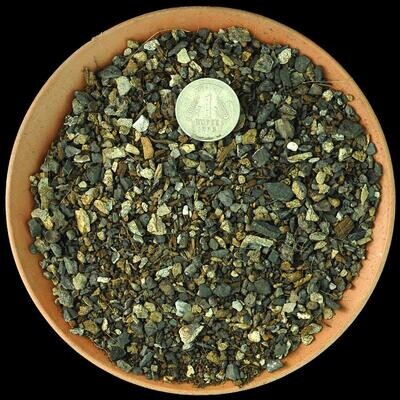
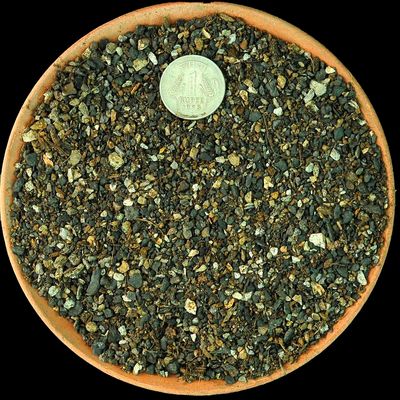
- Soil: Utilize a well-draining cactus or succulent mix with added coarse sand or pumice for optimal drainage.
- Temperature: Enjoys warm temperatures ranging from 65°F to 80°F (18°C to 27°C); protect from frost by bringing indoors or using frost covers during cold spells.
- Additional Tips: Avoid overwatering to prevent root rot. Fertilize lightly in the growing season with a diluted cactus fertilizer for best results.
6. Interesting Anecdote:
Known locally as "Umathithibala," Haworthiopsis attenuata var. radula is renowned for its resilience and striking appearance, often likened to the patterns found in traditional African beadwork and textiles. Its rough, textured leaves are said to symbolize strength and endurance, thriving in environments where few other plants can survive. The plant’s architectural form and bold, zebra-like markings have inspired design and artistry, from garden sculptures to jewelry, embodying the rugged beauty of its natural South African habitat.
Add the rugged charm of Haworthiopsis attenuata var. radula to your collection, and embrace the captivating, textured beauty of this unique "Zebra Wart" — a testament to nature’s resilience and ornamental elegance!