1. Origin of Name:
The genus "Hechtia" is named after the German botanist Karl Hecht, who contributed extensively to the study of succulents and bromeliads in the late 19th century. The species name "stenopetala" combines Greek and Latin roots: “steno-” meaning narrow, and “-petala” referring to petals, describing the plant’s slender, narrow floral parts. The name highlights its characteristic thin, elongated flowers. The name "Hechtia" reflects its botanical heritage and recognition as a distinct group within the Bromeliaceae family, while "stenopetala" emphasizes a key identifying trait—its narrow floral structures—adding a layer of descriptive precision to its botanical identity.
2. Origin of Plant:
Hechtia stenopetala is native to the rocky, arid landscapes of Mexico, particularly in the states of Hidalgo and Puebla. It conserves a specialized niche in mountainous, well-drained terrains, often growing among xeric shrublands. The first scientific description was documented by botanists during explorations of Mexican endemic plants in the early 20th century. Its unique characteristics and resilient nature made it a target for collectors and botanists interested in xerophytes and succulent plants, fostering a reputation as a hardy, visually striking species.
3. Description:
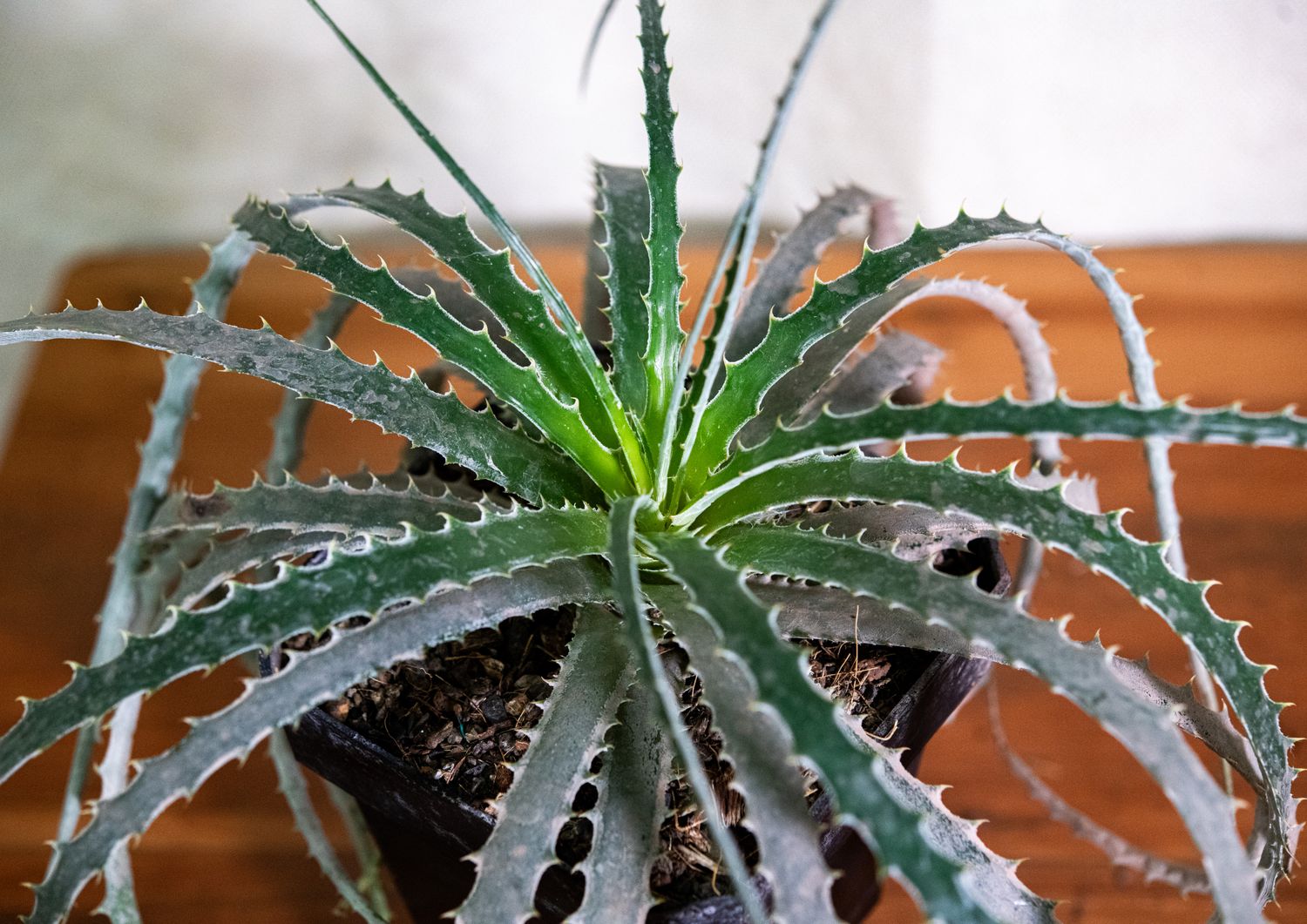
This stunning succulent features rosettes of stiff, spiny, gray-green leaves that form a tight basal clump, radiating in a circular pattern. Tall, elegant flower spikes emerge from the center, reaching up to 3 feet in height, adorned with numerous slender, tubular flowers with narrow petals—hence the name “stenopetala”—which linear, green, and sometimes tinged with red or yellow. The overall appearance combines rugged appeal with delicate floral detail, making it an excellent focal point for xeriscapes, rock gardens, or container arrangements. Its sharp spines and striking form evoke a wild, desert-adapted beauty that is both artistic and resilient.
4. Conservation Status:
Hechtia stenopetala is currently not listed as threatened or endangered. However, as a native endemic species, it is susceptible to habitat loss from agricultural expansion and development. Promoting sustainable cultivation and sourcing from responsible nurseries helps ensure its preservation and availability for future generations and botanical enthusiasts.
5. Care:
To cultivate Hechtia stenopetala successfully, follow these tips:
- Watering: Minimal watering required. Water deeply but infrequently, allowing the soil to dry out completely between watering sessions to prevent rot.
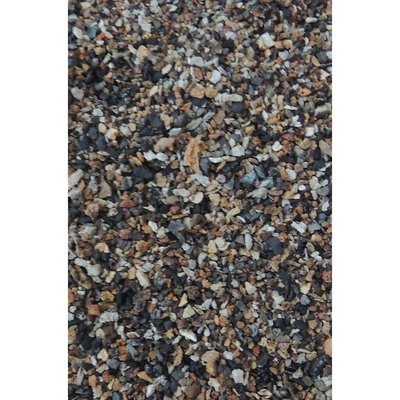
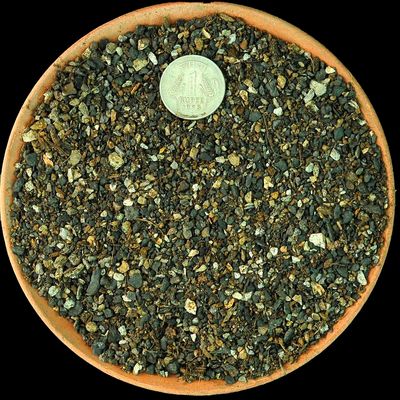
- Soil: Use a gritty, fast-draining cactus or succulent mix, with added gravel, pumice, or coarse sand to mimic natural rocky conditions.
- Light: Full sun is ideal; it thrives in bright, direct sunlight, which enhances coloration and flowering.
- Temperature: Prefers warm environments, thriving between 60°F and 85°F (16°C - 29°C). It’s frost-sensitive, so bring indoors or provide frost protection in cooler areas.
- Tips: Fertilize sparingly during the active growing season with a cactus or succulent fertilizer diluted to half strength. Prune dead flower spikes to encourage new blooms, and handle the plant carefully due to its spines.
Interesting Anecdote:
Hechtia species, including H. stenopetala, are sometimes called "Mexican Bromeliads" despite being unrelated to true bromeliads. Their resilience and striking appearance have fascinated botanists and collectors alike, symbolizing desert toughness and adaptation. Historically, indigenous peoples in Mexico valued these plants for their ornamental appeal and resilience in harsh environments—symbols of endurance and rugged beauty that have inspired cultural stories of survival and resilience in arid landscapes. Today, Hechtia stenopetala continues to enchant gardeners worldwide, bringing a touch of the wild Mexican landscape into home gardens with its elegant form and hardy nature.