1. Etymology: The name Heurnia macrocarpa comes from two primary sources. "Heurnia" is named in honor of the botanist H. Heurnius, acknowledging his contributions to botany. The species name "macrocarpa" is derived from Greek words: "macro" meaning large and "carpa" meaning fruit, indicating that this plant may produce relatively large fruit compared to other species in the genus.
2. Origin of Plant: Heurnia macrocarpa is native to the arid and semi-arid regions of eastern and southern Africa. This includes countries such as Kenya, Tanzania, Namibia, and South Africa. These regions provide the dry and sunny environments that this succulent thrives in.
3. Technical Description:
- Family: Apocynaceae (formerly Asclepiadaceae)
- Genus: Heurnia
- Species: macrocarpa
- Form: Perennial succulent with a clump-forming growth habit.
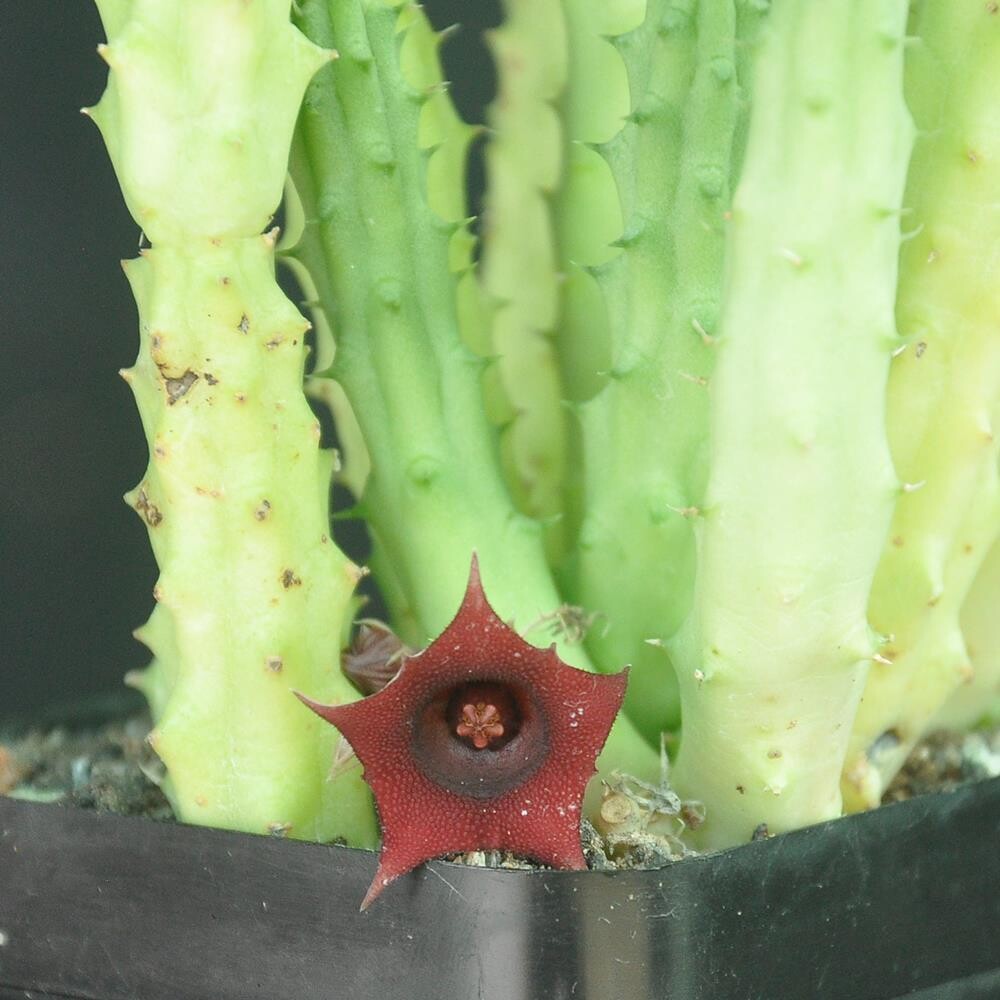
- Stem: Stems are angular and fleshy, typically pale green to bluish-green, with slight ridges along their length, and can grow up to 15 cm.
- Flowers: Unique five-pointed star-shaped flowers that are typically maroon to dark red with a warty texture and can appear singly or in clusters.
- Blooming Period: Generally blooms in the late summer to early autumn.
- Fruit: The fruit is generally a large, paired follicle containing numerous seeds.
4. Conservation Status: The conservation status of Heurnia macrocarpa has not been extensively documented, but its natural habitats are sometimes threatened by overgrazing, habitat destruction, and climate change. To support conservation efforts, it is recommended to source these plants through responsible and ethical growers who do not take specimens from the wild.
5. Care Instructions:
- Light: Prefers bright, indirect light but can tolerate some direct sunlight. Too much direct sun may cause the stems to become sunburned.
- Water: Water moderately during the growing season (spring and summer), allowing the soil to dry out between waterings. Reduce watering significantly in winter when the plant is dormant.
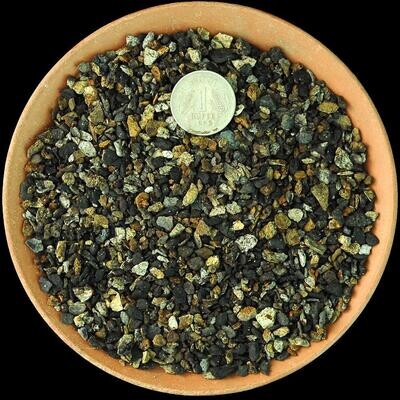
- Soil: Requires well-draining soil, such as a commercial cactus or succulent mix. Adding perlite or pumice can further enhance soil drainage.
- Temperature: Thrives in warm conditions, ideally between 15-30°C (59-86°F). Protect from frost and temperatures below 5°C (41°F).
- Humidity: Prefers low humidity and good air circulation to prevent fungal issues.
- Fertilizer: Feed with a diluted, balanced fertilizer formulated for succulents once a month during the growing season.
- Propagation: Can be propagated by stem cuttings or from seeds. Allow cuttings to callous over before planting in well-draining soil.