Huernia zebrina subsp. insigniflora 'Variegata'
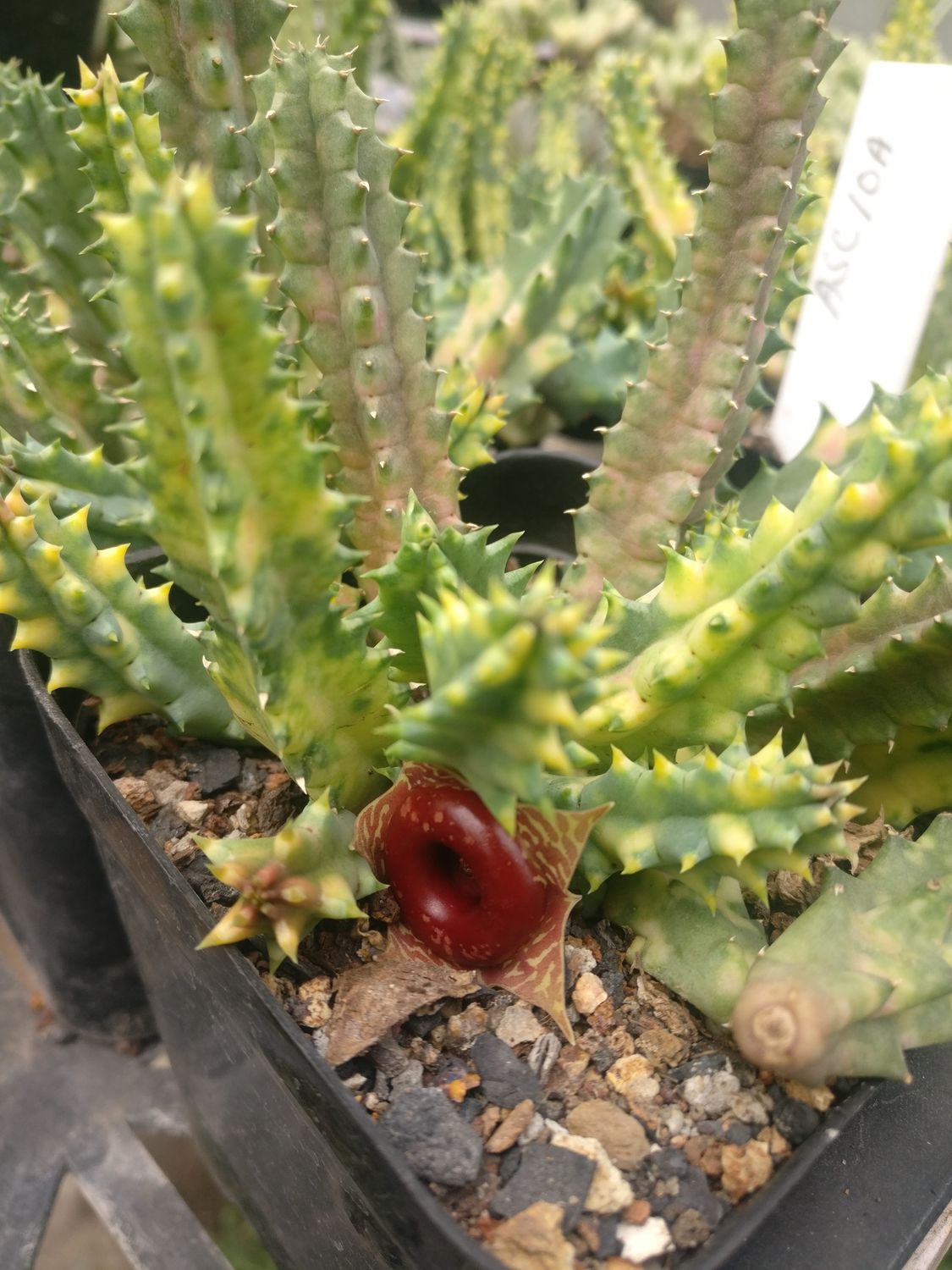
The lifesaver plant gets a coat of paint. Stubby, toothed stems splashed with butter-yellow, cream and fresh green erupt from the pot like a tiny coral reef. Nestled at their base, star-shaped flowers carry a glossy, oxblood ring so perfect it looks like a lacquered sweet. It is a rare variegated form of one of the most striking stapeliads in cultivation.
Origin of Name
The genus Huernia was named in 1810 by the Scottish botanist Robert Brown. He honoured Justus Heurnius, a Dutch missionary who was one of the first Europeans to collect and document plants at the Cape of Good Hope, in the early 17th century. Brown's spelling transposed two letters, so "Heurnius" became Huernia, and the error is permanent under botanical rules. The species epithet zebrina means "zebra-striped," after the bold banding on the flowers of the typical subspecies. The subspecies epithet insigniflora comes from the Latin insignis ("remarkable, distinguished") and flos ("flower"), meaning "with remarkable flowers." C.A. Maass first described this plant as a separate species, Huernia insigniflora. Botanist Peter Bruyns later reduced it to a subspecies of H. zebrina. Other names you may see include Huernia insigniflora, Huernia confusa and Ceropegia zebrina subsp. insigniflora. The last comes from Bruyns' 2017 proposal to merge the stapeliads into Ceropegia. Common names include lifesaver plant and little owl. 'Variegata' refers to the cream-and-yellow stem variegation of this nursery selection.
Origin of Plant
Subspecies insigniflora is native to northern South Africa, in Limpopo and Mpumalanga, especially around the Wolkberg and the northern Drakensberg. It grows in subtropical grassland and among rocks, usually tucked under shrubs or grasses that shade its stems from the fiercest sun. The variegated form is a horticultural selection propagated in cultivation. Records of its exact origin and first selection are sparse.
Description
The plant forms a low, branching clump of erect stems, usually four-angled. Rows of prominent, soft-tipped teeth line each angle. The variegation is at its most dramatic on new growth, where young branches emerge richly splashed with butter-yellow, cream and lime. As stems mature, the variegation softens and more green returns. Older stems often turn grey-green, sometimes with a rosy blush in good light. The result is a living gradient, with the youngest growth always the brightest in the clump.
The flower is the showstopper. It opens at the base of young stems as a five-pointed star, with triangular lobes that taper to slender tips. In this plant the lobes are creamy tan to pale rose, finely mottled and speckled with russet-red. At the centre sits the famous "lifesaver": a thick, raised, perfectly round ring (the annulus) in glossy deep oxblood-maroon. It surrounds a small, dark throat and looks almost moulded from wax. Flowers appear mainly in late summer and autumn and open in succession. Like most stapeliads they give off a faint scent that attracts pollinating flies.
Conservation Status
Huernia is not listed under CITES, and nursery-propagated plants trade freely. Subspecies insigniflora has a restricted natural range, and South Africa's National Biodiversity Institute (SANBI) includes it in its plant Red List records. This variegated form is propagated from cuttings in cultivation, so buying it puts no pressure on wild populations.
Care
- Light: Bright light with some shade from harsh afternoon sun. Variegated stems scorch more easily than green ones. Too little light produces thin, pale growth and fewer flowers.
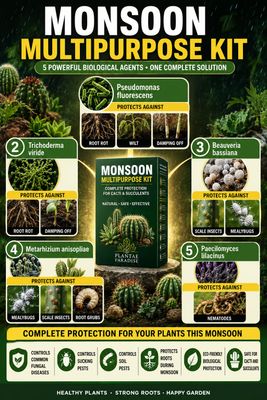
- Watering: Water thoroughly in the warm growing season, then let the soil dry out completely. Keep it nearly dry in winter. In the monsoon, shelter it from rain, as waterlogged stems rot quickly.
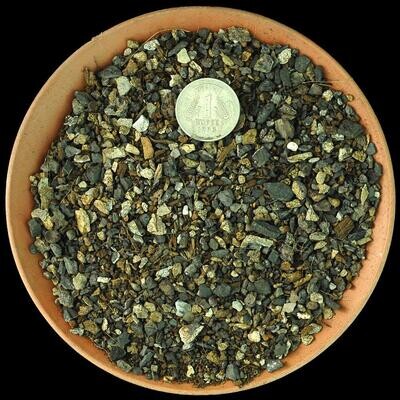
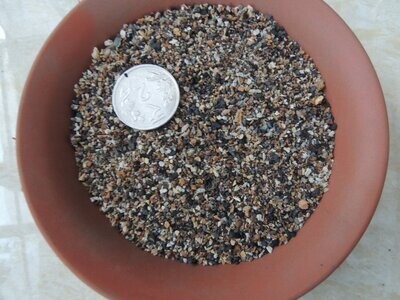
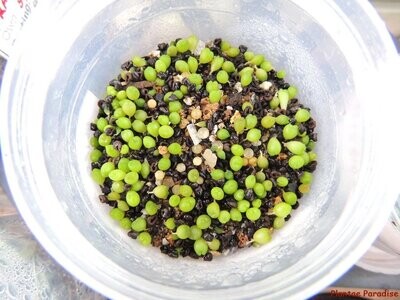
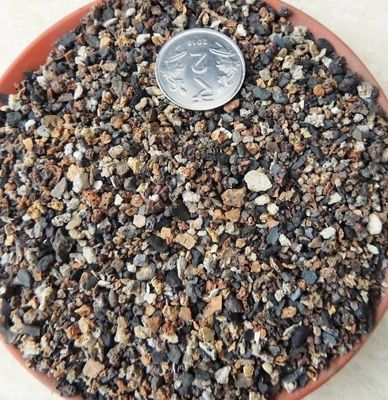
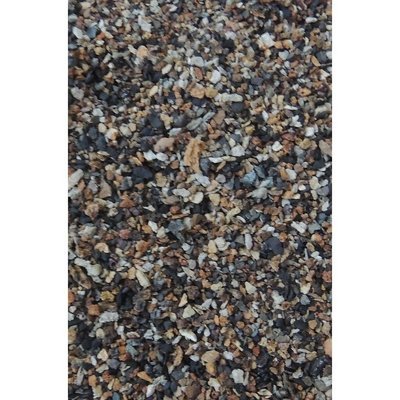
- Soil: A very gritty, fast-draining mix. For example, use 70% mineral grit (pumice, lava rock, coarse sand) and 30% organic matter.
- Pot: A shallow, wide pot with good drainage suits its spreading, shallow roots.
- Temperature: It grows best at 18–32 °C. Keep it above 10 °C in winter and dry during cold spells.
- Feeding: Apply a diluted, low-nitrogen cactus fertiliser 2–3 times during the growing season to encourage flowering.
- Tip: Cuttings of the brightest young stems root easily after drying for a few days. Occasionally a stem may grow back fully green. Removing it keeps the clump colourful.
A Story Worth Telling
Justus Heurnius sailed to the Dutch East Indies as a missionary in the 1620s. On the way, his ship stopped at the Cape of Good Hope, where he collected and sketched local plants. Among them was one of the first stapeliads ever recorded by Europeans. His drawings reached Europe long before most Cape succulents were known there. Nearly two centuries later, Robert Brown named a genus in his honour and misspelled it. The typo stuck, and gardeners have been mixing up "Huernia" and "Heurnia" ever since.