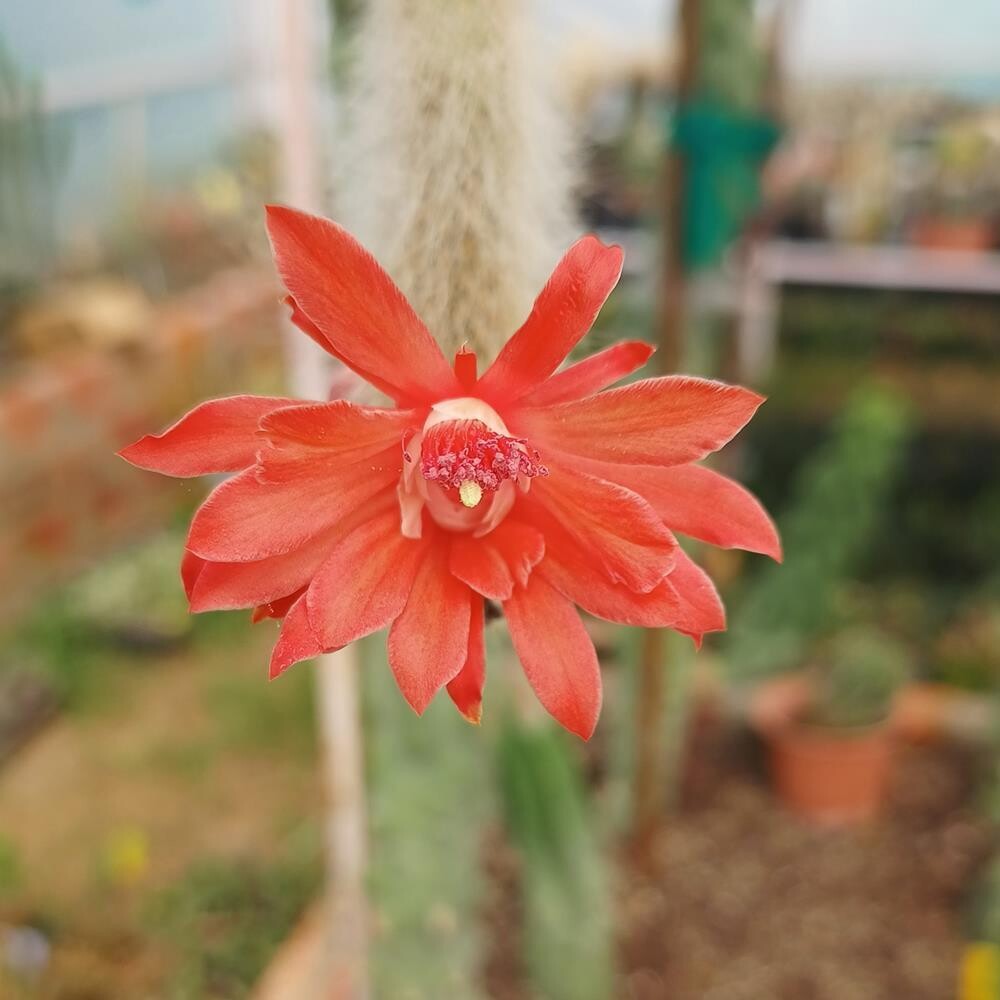
Hildewintera colademononis Monkey Tail cactus
Product Details
Soft & Silky: Hildewintera colademononis Monkey Tail Cactus
Elevate your collection with this sought-after lithophytic specimen famous for its cascading, snow-white woolly spines.
- Origin & History of Name: The genus was named Hildewintera in honor of Hildegard Winter, sister of the famous botanist Friedrich Ritter.
- Morphology: This cactus features elongated, cylindrical stems that can grow several meters long. Its epidermis is hidden beneath a dense covering of long, soft, white bristles (modified spines) that emerge from closely set areoles. Unlike many cacti, these spines are hair-like and soft to the touch.
- Habitat & Origin: This is a wild species endemic to the Santa Cruz department of Bolivia. It grows as a lithophyte, meaning it hangs naturally from steep sandstone rock faces.
- Cultivation Profile:
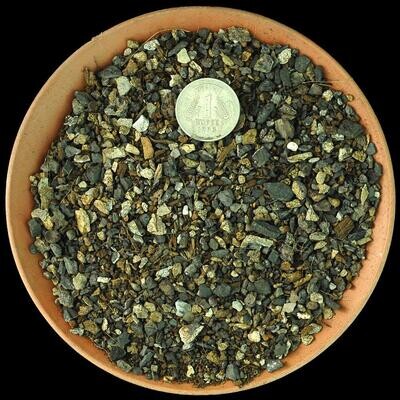
- Substrate: Requires a very porous, mineral-based mix (50% crushed brick or scoria, 30% perlite, 20% organic compost). Excellent drainage is critical for its hanging root system.
- Light: Thrives in full morning sun to bright, filtered light. In the Indian subcontinent, protect the stems from the harsh afternoon sun (12 PM – 4 PM) to avoid yellowing the white bristles.
- Water/Dormancy: Water thoroughly during the growing season (March–October) but allow the mix to dry completely. During the Indian winter, reduce watering significantly to induce dormancy; during the Monsoon, ensure high air circulation to prevent stem rot.
- Scientific/Historical Anecdote: Despite being popular in cultivation now, this species remained unknown to science until the late 20th century. Its discovery was a botanical sensation because it challenged the typical "spiny" image of cacti, proving that some species evolved "hair" as a dual-purpose tool: to reflect intense high-altitude UV radiation and to trap moisture from passing mountain fogs.
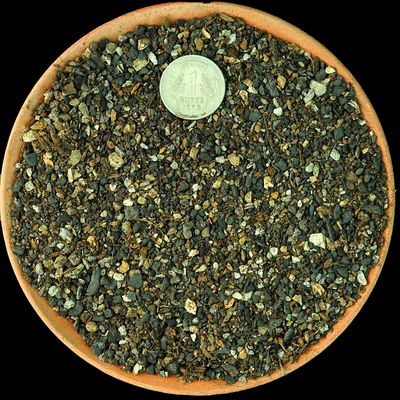
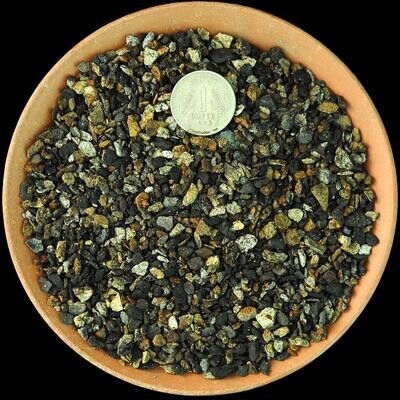
Cactus & Succulent Planting Mix COARSE (aka Cactus Soil Mix or Succulent Soil Mix)
Cactus & Succulent Planting Mix COARSE (aka Cactus Soil Mix or Succulent Soil Mix)
Washed, Free-Draining Mineral Mix for Cactus & Succulents
SKU MNS003
₹38.74
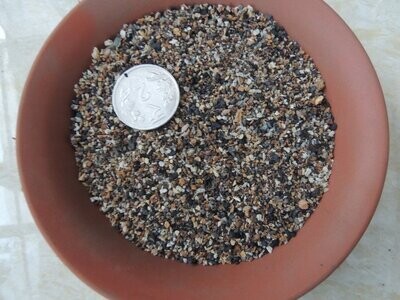
Cactus Seed Planting Mix
Cactus Seed Planting Mix
Sterile, Fine-Grain Media for Cactus & Succulent Seeds
SKU MNS005
₹66.35