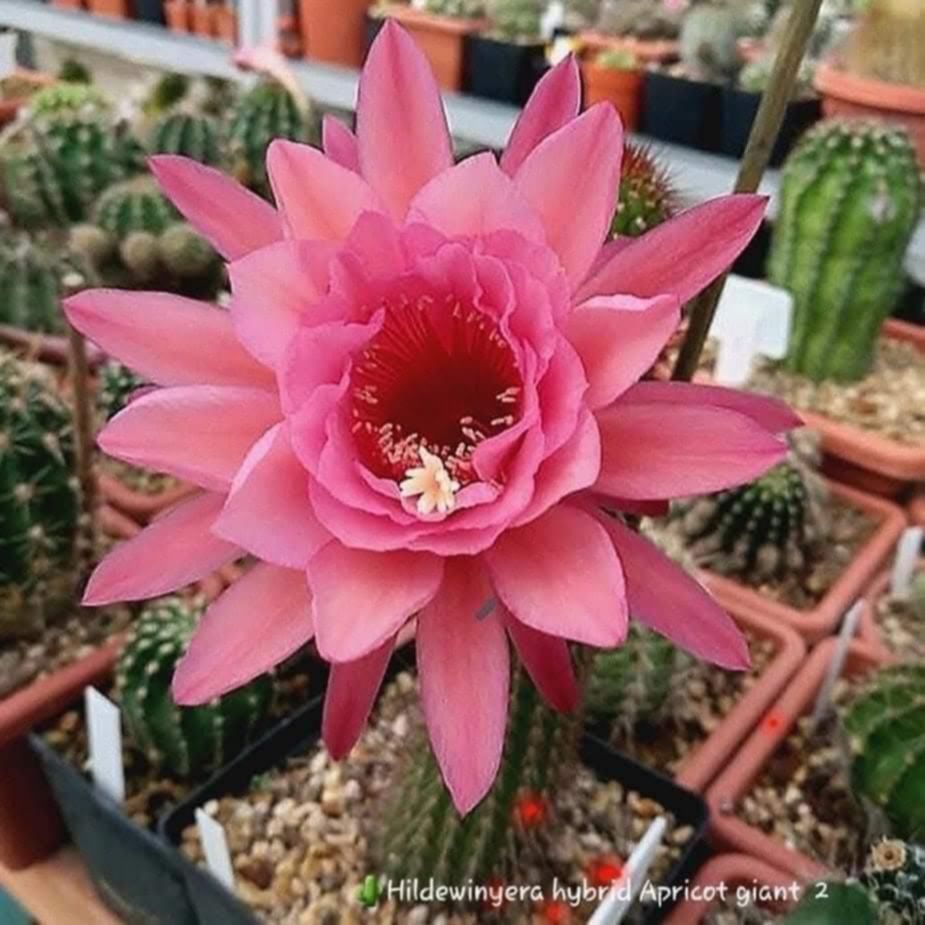
Hildewintera hybrid Apricot Giant # 2
Product Details
Radiant Bloom: Hildewintera hybrid 'Apricot Giant # 2'
An essential acquisition for the serious collector, this hybrid is celebrated for its oversized, neon-apricot blooms that defy the typical proportions of the genus.
- Origin & History of Name: The genus name Hildewintera honors the German cactus expert Hildegard Winter (1893–1975).
- Morphology: This cactus features cylindrical, pendulous stems covered in a dense epidermis protected by soft, bristle-like spines (radials). Unlike many cacti with deep costae (ribs), this hybrid’s ribs are low and numerous, creating a shaggy appearance. It is a lithophytic grower by nature, meaning its stems are designed to cascade. The blooms are zygomorphic (bilaterally symmetrical), featuring multiple layers of recurved petals in a vibrant apricot gradient.
- Habitat & Origin: This is a cultivated hybrid (cultivar) and does not exist in the wild. It was developed through selective breeding involving Hildewintera and Trichocereus or Akermannia lineages to enhance floral size and color. All specimens are nursery-produced via cuttings or grafting, ensuring no impact on wild populations in South America.
- Cultivation Profile:
- Substrate: A strictly mineral-based mix is required. Use 70% coarse inorganic material (pumice, perlite, or crushed brick) and 30% organic compost.
- Light: Bright, indirect sunlight. In the Indian subcontinent, provide 40-60% green shade netting during peak summer to prevent epidermal scorching.
- Water/Dormancy: Water deeply when the substrate is bone-dry during the monsoon and growing season. Maintain a strict dry dormancy from November to February to trigger spring budding; high humidity in Indian coastal regions requires increased airflow to prevent fungal rot.
- Scientific/Historical Anecdote: The genus Hildewintera has been the subject of significant taxonomic debate. For decades, it was reclassified under Cleistocactus because both share tubular flower structures pollinated by hummingbirds. However, DNA sequencing and the unique "creeping" growth habit eventually led many botanists to restore its distinct status, highlighting the complex evolutionary path of South American cereoid cacti.
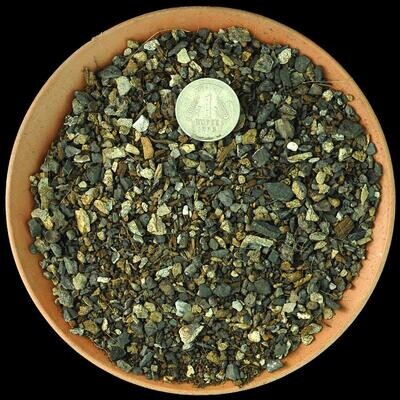
Cactus & Succulent Planting Mix FINE (aka Cactus Soil Mix or Succulent Soil Mix)
Cactus & Succulent Planting Mix FINE (aka Cactus Soil Mix or Succulent Soil Mix)
Fine-Grain Potting Mix for Cactus & Succulent Roots
SKU MNS001
₹35.51
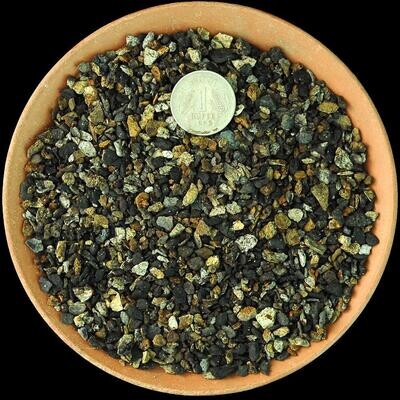
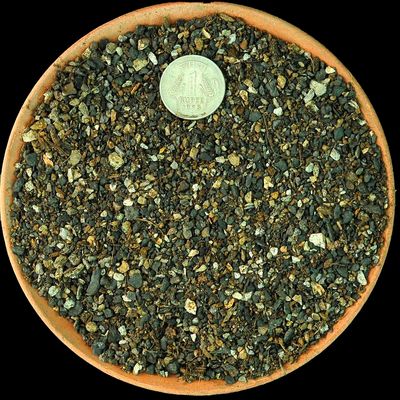
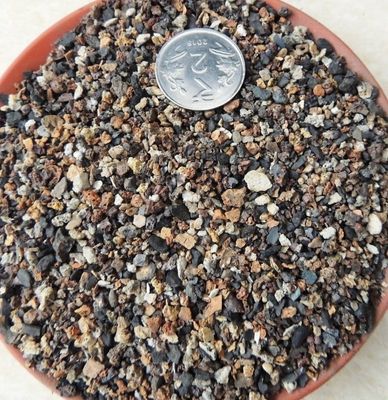
Cactus & Succulent Planting Mix COARSE (aka Cactus Soil Mix or Succulent Soil Mix)
Cactus & Succulent Planting Mix COARSE (aka Cactus Soil Mix or Succulent Soil Mix)
Washed, Free-Draining Mineral Mix for Cactus & Succulents
SKU MNS003
₹40.51