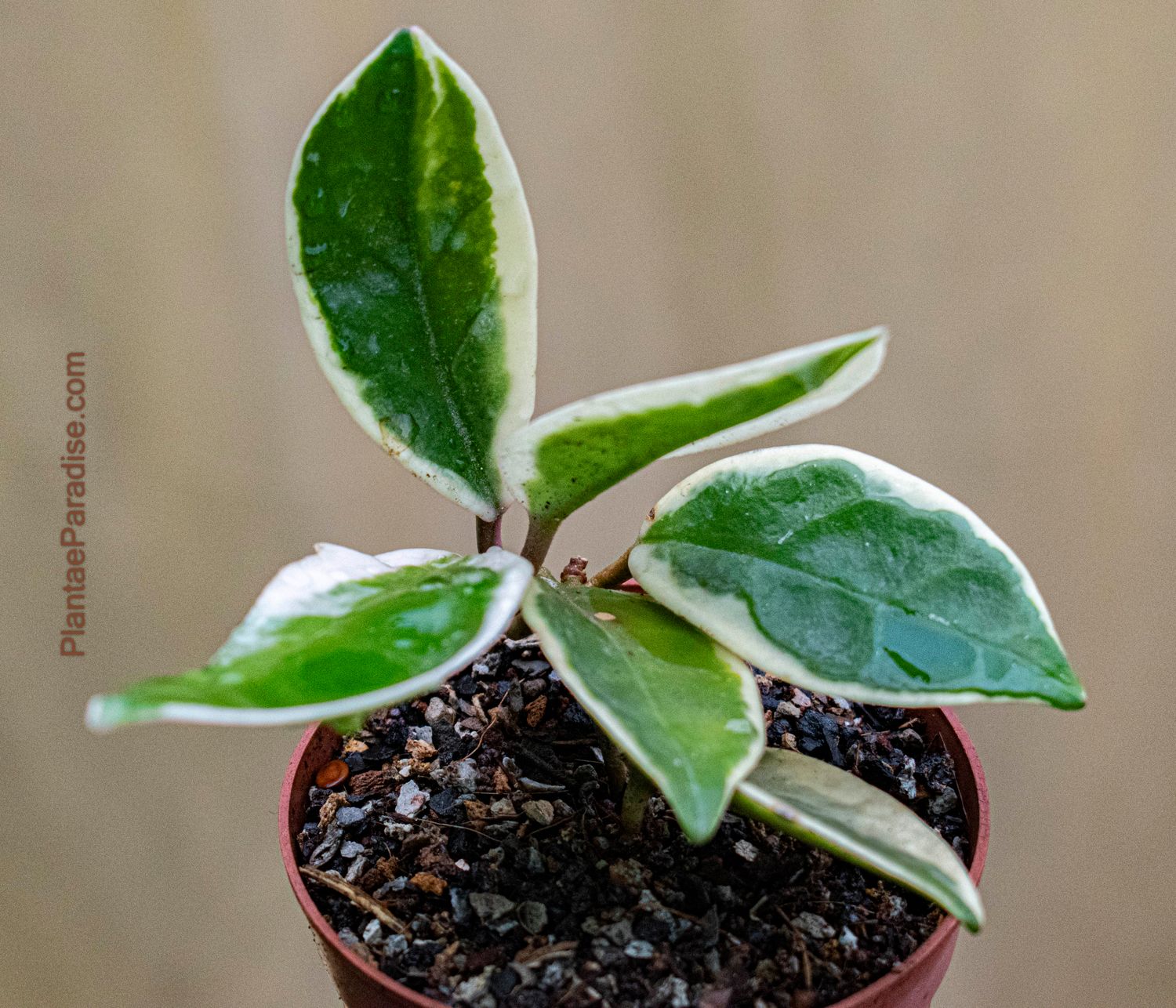
This is also kown as Golden Wax Plant and has leaves bordered in creamy white, which may even be pink-tinged.
1. Origin of Name
The name Hoya carnosa comes from the genus Hoya, named in honor of Thomas Hoy, an 18th-century British botanist and gardener known for his work with tropical plants. The species name "carnosa" is derived from Latin, meaning "fleshy" or "meaty," referring to its thick, succulent leaves. The Variegated variety of Hoya carnosa features leaves with beautiful white or cream-colored edges or streaks, adding visual interest and elegance to its already captivating appearance. This variegation is the result of natural mutations selectively cultivated by horticulturists to enhance ornamental appeal.
2. Origin of Plant
Hoya carnosa is native to the tropical and subtropical forests of East Asia and Australia, where it grows as an epiphytic vine, often found climbing trees or rocks. The plant was first officially described in European botanical records in the early 19th century and quickly became popular as a houseplant due to its robust nature and decorative flowers. The variegated variant is a horticultural selection prized for its striking leaf patterns and is cherished by indoor plant enthusiasts around the world.
3. Description
The Variegated Hoya carnosa is an enchanting evergreen vine known for its waxy, succulent leaves with varying patterns of cream or white variegation. The leaves are thick and fleshy, contributing to the plant's common name, "Wax Plant." This variety boasts stunning umbels of star-shaped, fragrant flowers that are typically pinkish-white with a red center, resembling delicate porcelain. The combination of lush foliage and exquisite blooms makes it a favorite for hanging baskets and decorative pots. With its ability to climb, it can also be trained on trellises to create beautiful, cascading displays.
4. Conservation Status
Hoya carnosa, including its variegated forms, is widely cultivated and not considered endangered. It thrives in domestic cultivation worldwide, reducing the demand on wild populations. The plant is readily available in the horticultural trade, making it accessible to both novice and expert gardeners.
5. Care
Variegated Hoya carnosa thrives in bright, indirect light, but it can also tolerate some direct sunlight. It prefers well-draining potting mix, such as a blend of orchid bark, perlite, and peat, to prevent waterlogging. Water the plant only when the top inch of the soil is dry, as its succulent leaves store moisture. The ideal temperature range is between 60°F and 80°F (15°C - 27°C). Variegation can fade under low light, so maintaining adequate illumination encourages vibrant leaf patterns. Fertilize monthly during the growing season with a balanced, water-soluble fertilizer. Prune as needed to control growth and encourage bushier foliage.
Interesting Fact
Hoya carnosa is often associated with good luck and prosperity in various cultures, particularly due to its enduring nature and fragrant blooms. The variegated form, with its unique leaf patterns, enhances this allure, making it a beloved plant in Feng Shui for promoting positive energy and harmony in homes.
Add the Variegated Hoya carnosa to your indoor garden to enjoy a lush, vibrant display that combines timeless elegance with minimal maintenance, bringing a touch of botanical beauty to your living space!
Hoya carnosa is a vining succulent that roots along it long, branching stems.
Epiphytic- climbs trees and scrambles over rocks and roots all along the stem..
Flowers : WAXY Star shaped flowers in a group called Umbel are formed.
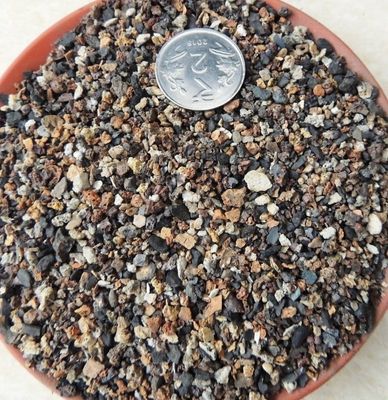
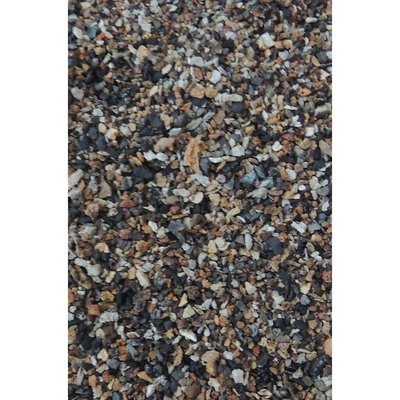
Media : Well-draining soil like orchid media is good. Or any well drained media like porous grit with cocopeat and chips of wood and charcoal.
Plants are shipped bare root but with some media around the roots to prevent dehydration.