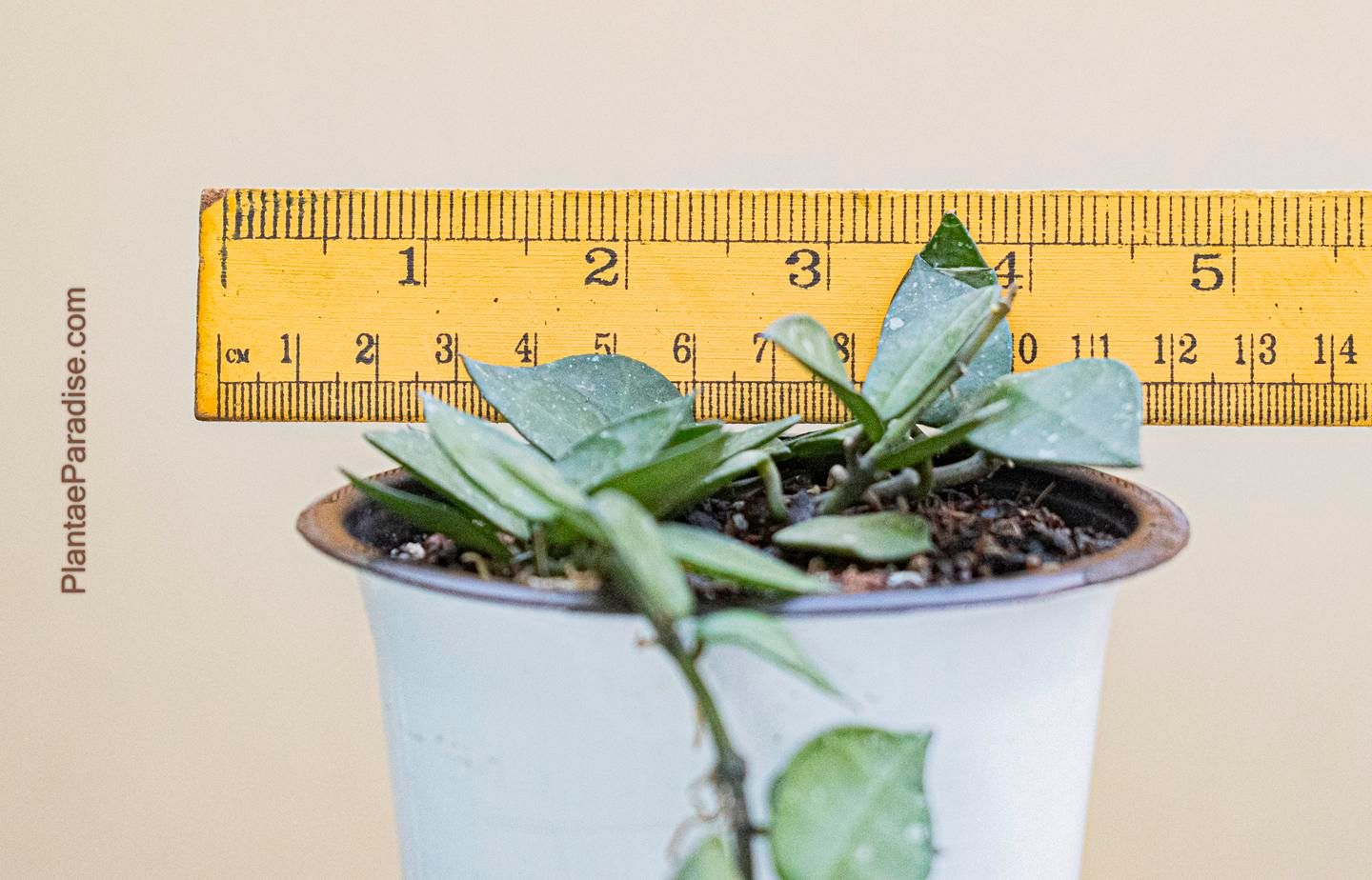
Hoya Krohniana 'Eskimo'
1. Origin of Name:
The name Krohniana honors the botanist who first classified this distinctive species, with roots rooted in Latinized taxonomy commonly used in botanical nomenclature to acknowledge explorers or scientists responsible for its discovery. The epithet "Krohniana" pays tribute to the German botanist Friedrich Krohn, who extensively studied Asian and Pacific flora in the early 20th century. The variant 'Eskimo' is a charming nod to the plant's frosty, silvery-white foliage and compact, hardy nature, reminiscent of arctic landscapes. This nickname emphasizes its unique, snow-like appearance, making it both a descriptive and endearing name. Historically, the naming of this plant reflects the tradition of honoring explorers and scientists, often combining Latin roots with descriptive or cultural terms to vividly characterize new discoveries.
2. Origin of Plant:
Hoya Krohniana 'Eskimo' originates from the lush, humid forests of Southeast Asia, particularly regions within Thailand and Myanmar. These tropical rainforests provide the ideal environment—rich in moisture and filtered sunlight—for the plant to thrive. The species was first documented during botanical expeditions in the early 20th century, where collectors and explorers noted its distinctive silvery foliage among denser green canopies. Its discovery was a significant addition to the Hoya genus, favored by botanical enthusiasts for its unique appearance and resilience in cultivation.
3. Description:
This stunning plant boasts compact, rosette-shaped foliage, covered with silvery-white, fuzzy hairs that create an almost frosted appearance—a phenomenon that inspired its 'Eskimo' nickname. Each leaf is thick, succulent-like, and measures approximately 2-3 inches long, with a rounded, slightly pointed tip. In bloom, Hoya Krohniana 'Eskimo' produces clusters of star-shaped, waxy flowers that emit a sweet, honey-like fragrance. The flowers are usually pale pink with a delicate white center, contrasting beautifully against the silvery leaves. Its overall size makes it perfect for tabletop displays or hanging baskets, offering a striking ornamental appeal.
4. Conservation Status:
Currently, Hoya Krohniana 'Eskimo' is classified as a species of least concern, widely cultivated and available in the plant enthusiast community. While it is not threatened in its native habitat due to its adaptability and popularity, responsible cultivation and international trade regulations ensure its sustainability. Conservation efforts focus on habitat preservation in Southeast Asia, emphasizing the importance of protecting native rainforests vital for the plant's natural environment.
5. Care:
Hoya Krohniana 'Eskimo' is an easy-care succulent vine that thrives with proper care.
- Watering: Water sparingly—allow the soil to dry out completely between sessions, particularly during the winter months. Overwatering can lead to root rot.
- Soil: Use a well-draining, airy mix such as cactus or succulent soil combined with perlite or orchid bark.
- Light: Bright, indirect sunlight is ideal. It can tolerate some direct morning sun but avoid harsh afternoon rays, which can scorch its leaves.
- Temperature: prefers warm temperatures between 65°F and 80°F (18°C to 27°C). Protect from cold drafts and temperatures below 50°F (10°C).
- Additional Tips: Fertilize monthly during the growing season with a balanced, diluted fertilizer. Prune lightly to encourage bushier growth, and enjoy its spectacular flowering during spring and summer.