

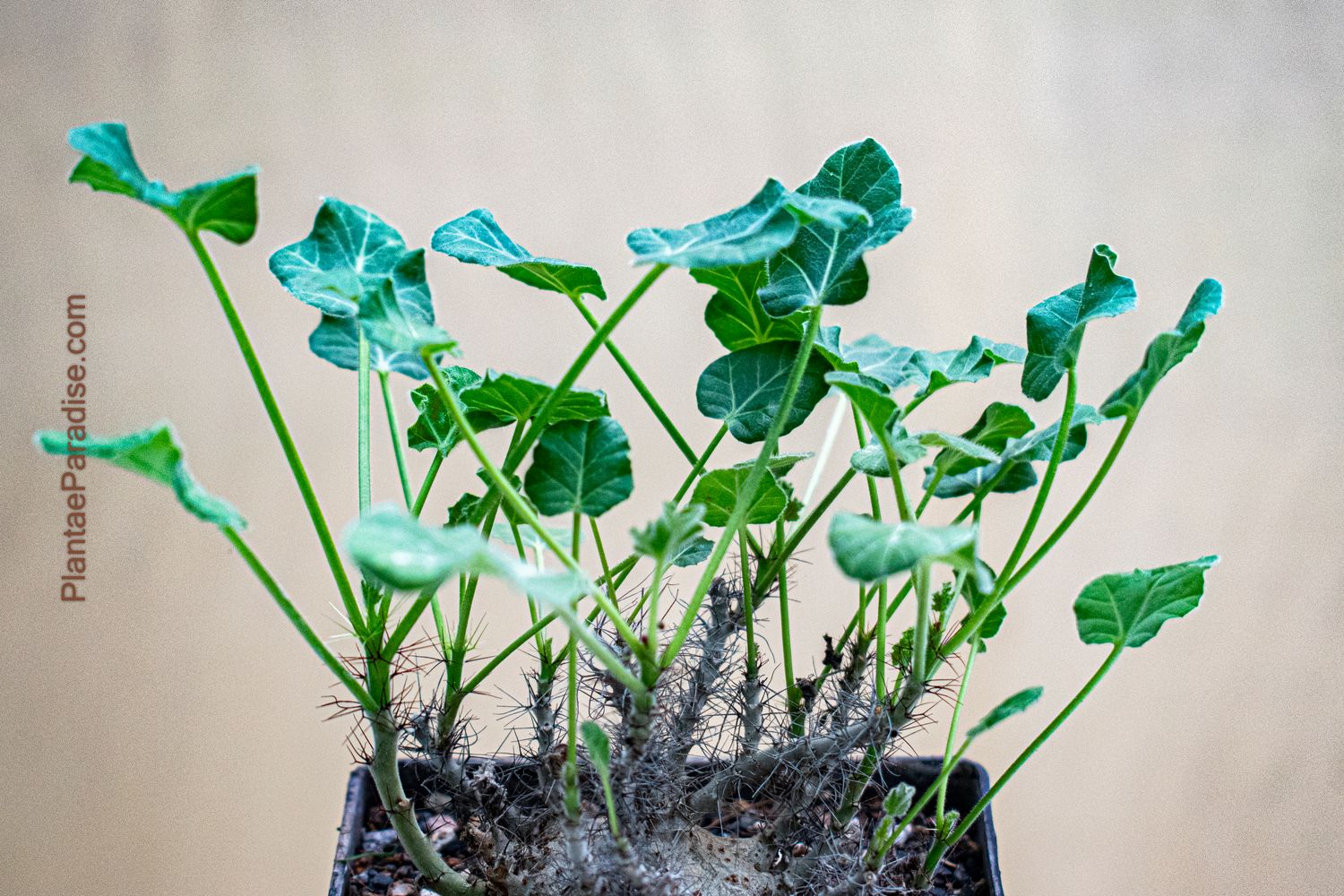
Jatropha marginata
Product Details
Exotic Caudiciform Elegance: Jatropha marginata
An exceptionally rare find for the specialist collector, this species is prized for its intricate foliage and sculptural, swollen base.
- Origin & History of Name: The genus name Jatropha is derived from the Greek words iatros (physician) and trophe (food), referencing the historical medicinal uses of various species within the genus.
The specific epithet marginata refers to the distinct "margin" or border seen on the leaf edges, a primary identifying characteristic. The species was formally documented as part of the botanical exploration of the Arabian Peninsula’s unique succulent flora. - Morphology: Jatropha marginata is a pachycaul shrub characterized by a thick, succulent caudex that serves as a water reservoir. Its leaves are its most striking feature: deeply lobed with a fine, often reddish or pale margin. The epidermis of the stems is smooth and semi-glossy, while the inflorescence produces small, star-shaped flowers typical of the Euphorbiaceae family. Unlike more common species, its growth remains compact and highly symmetrical.
- Habitat & Origin: This is a wild species native to the arid, rocky regions of Oman and Yemen. It thrives in limestone-rich soils under harsh, high-heat conditions. Our specimens are sourced through ethical nursery propagation to ensure the protection of vulnerable wild populations in the Middle East, supporting sustainable horticultural practices.
- Cultivation Profile:
- Substrate: Requires a coarse, mineral-heavy mix. Use a blend of 60% grit (lava rock or coarse sand) and 40% well-draining compost. Avoid clay-heavy local soils which can lead to basal rot.
- Light: Thrives in bright, indirect light to full sun.
In the Indian subcontinent, it performs best with morning sun and protection from the intense midday ultraviolet rays during peak summer. - Water/Dormancy: Implement a strict seasonal watering regime. Water moderately during the warm growing season (March–September). As temperatures drop in the Indian winter, the plant enters a deciduous dormancy; water must be restricted to keep the substrate nearly dry until new leaf buds emerge.
- Scientific/Historical Anecdote: Jatropha species are famous for their "explosive" seed dispersal mechanism. When the seed pods dry, they undergo a process called ballochory, where the pericarp tension reaches a breaking point and snaps, audibly "firing" the seeds several meters away from the mother plant to ensure the colony expands.
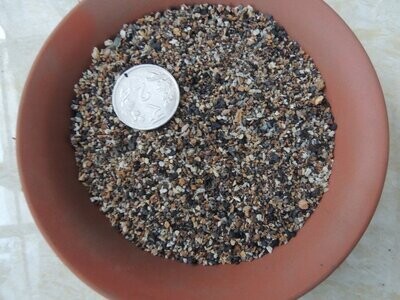
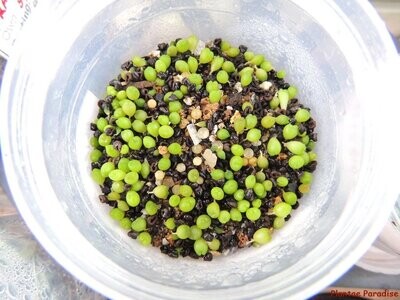
Cactus Seed Planting Mix
Cactus Seed Planting Mix
Sterile, Fine-Grain Media for Cactus & Succulent Seeds
SKU MNS005
₹74.85
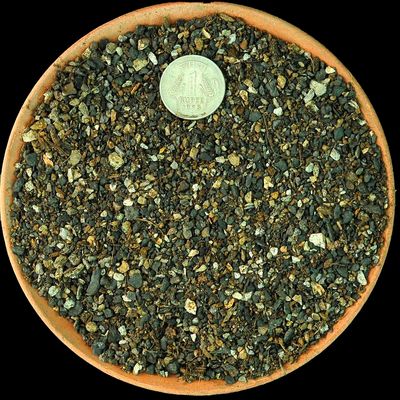
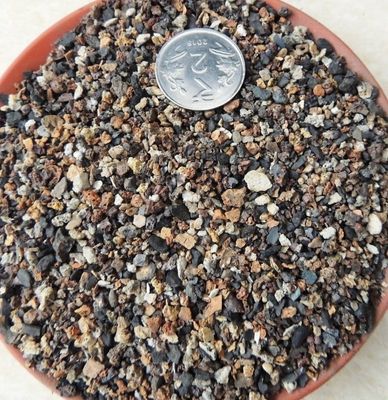

Cactus & Succulent Planting Mix FINE (aka Cactus Soil Mix or Succulent Soil Mix)
Cactus & Succulent Planting Mix FINE (aka Cactus Soil Mix or Succulent Soil Mix)
Fine-Grain Potting Mix for Cactus & Succulent Roots
SKU MNS001
₹39.85
New


Monsoon Guardian Kit (5 in 1)
Monsoon Guardian Kit (5 in 1)
Complete 5-in-1 biological protection kit for cacti & succulents
SKU MNS024
₹850.00