

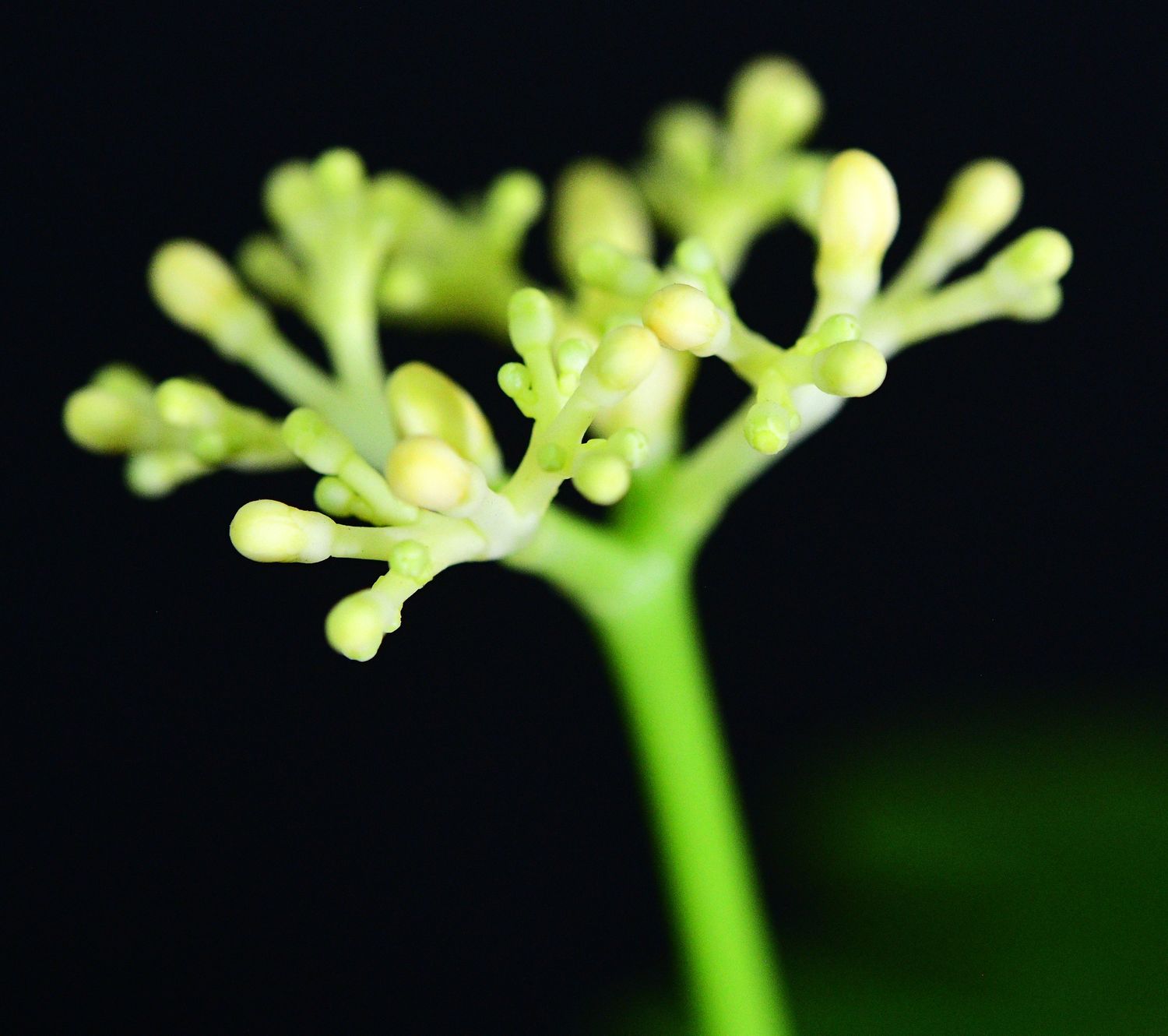
Jatropha podagrica cv. Yellow Flowers
Product Details
Gilded Gout Plant: Jatropha podagrica cv. Yellow Flowers
An extraordinary botanical rarity featuring the classic swollen caudex paired with a unique, sun-bright yellow floral display.
- Origin & History of Name: The genus name Jatropha originates from the Greek words iatros (physician) and trophe (food), referencing the historical medicinal uses of several species.
The specific epithet podagrica translates to "gouty foot," a descriptive name given by botanist William Hooker in 1848 to describe the plant's distinctive swollen base. This specific cultivar is named for its departure from the standard coral-red bloom to a rare yellow pigment. - Morphology: This succulent shrub is defined by its prominent caudex, a globose, swollen trunk that stores water.
The peltate leaves (stalk attached to the center) are large, lobed, and bright green. Unlike the common red variety, this cultivar produces corymbose inflorescences—flat-topped flower clusters—where the petals exhibit a vibrant yellow hue. All parts of the plant contain a milky, toxic latex, which serves as a natural defense mechanism. - Habitat & Origin: The base species is native to the tropical dry forests of Central America and Mexico.
The 'Yellow Flowers' variant is a rare cultivar, likely originating from selective breeding or a stable color mutation in cultivation. Our stock is produced through nursery-controlled propagation, ensuring no wild harvesting and maintaining sustainable trade standards. - Cultivation Profile:
- Substrate: Requires a fast-draining mineral mix (50% coarse sand or grit, 50% organic compost). Avoid heavy clay, which is common in many Indian regions, as it leads to caudex rot.
- Light: Thrives in full sun to partial shade.
In the Indian subcontinent, provide afternoon shade during peak summer to prevent leaf scorch, though the caudex enjoys the heat. - Water/Dormancy: Water moderately during the growing season (March–October). During the winter dormancy or the peak of a very humid monsoon, significantly reduce watering. The plant may drop its leaves in winter; this is a natural resting phase.
- Scientific/Historical Anecdote: While the "Gout Plant" is now a prized ornamental, the genus Jatropha is at the center of modern biofuel research. Scientists have studied the oil-rich seeds of its relatives for sustainable energy. J. podagrica specifically is known for its "explosive" seed dispersal; when the seed capsules dry, they burst with an audible "pop," launching seeds several meters away from the parent plant to colonize new ground.
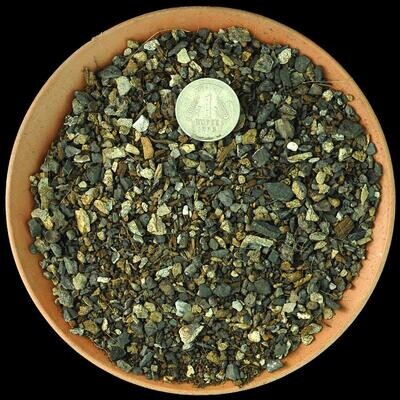


Cactus & Succulent Planting Mix FINE (aka Cactus Soil Mix or Succulent Soil Mix)
Cactus & Succulent Planting Mix FINE (aka Cactus Soil Mix or Succulent Soil Mix)
Fine-Grain Potting Mix for Cactus & Succulent Roots
SKU MNS001
₹39.85
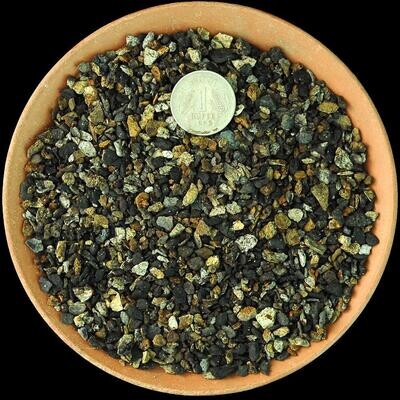
Cactus & Succulent Planting Mix COARSE (aka Cactus Soil Mix or Succulent Soil Mix)
Cactus & Succulent Planting Mix COARSE (aka Cactus Soil Mix or Succulent Soil Mix)
Washed, Free-Draining Mineral Mix for Cactus & Succulents
SKU MNS003
₹44.85
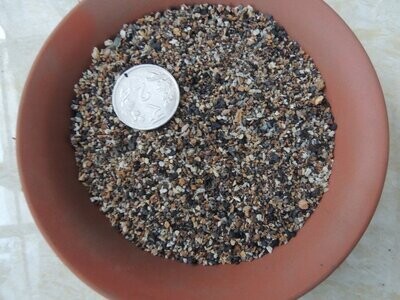
Cactus Seed Planting Mix
Cactus Seed Planting Mix
Sterile, Fine-Grain Media for Cactus & Succulent Seeds
SKU MNS005
₹74.85