

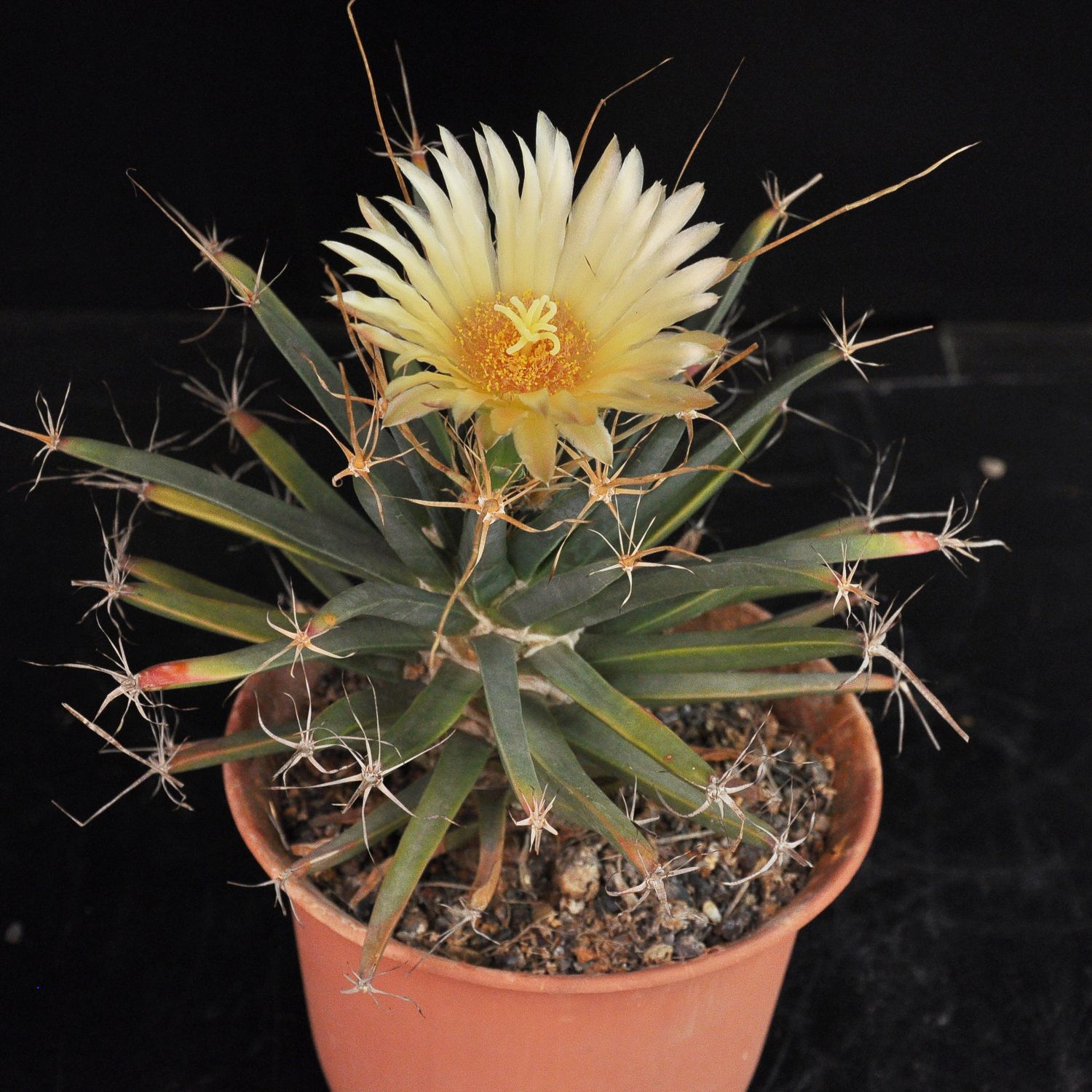
Leuchtenbergia principis
Product Details
Agave Cactus: The Singular Leuchtenbergia principis
A living architectural masterpiece, this monotypic genus bridges the visual gap between prehistoric agaves and desert cacti.
- Origin & History of Name The genus name Leuchtenbergia was established in 1848 by Sir William Hooker in honor of Maximilian Joseph Eugene Auguste Napoleon Beauharnais, the 3rd Duke of Leuchtenberg and a passionate amateur botanist. The specific epithet principis translates from Latin to "princely" or "foremost," reflecting the plant's noble status within 19th-century European botanical collections.
- Morphology Distinct from typical globular cacti, this species features elongated, triangular tubercles (resembling agave leaves) that can reach up to 12 cm in length.
These tubercles are topped with papery, grass-like radial spines that serve as a defense mechanism and provide slight shade to the epidermis. It possesses a massive, woody caudex (underground storage root) and produces funnel-shaped, fragrant yellow flowers from the primary meristem at the tips of new tubercles. - Habitat & Origin Leuchtenbergia principis is a wild species endemic to the Chihuahuan Desert and parts of the Mexican Plateau (San Luis Potosí, Chihuahua, and Coahuila).
It is a monotypic genus, meaning it is the only species within its lineage. Our specimens are nursery-propagated via sustainable seed-grown methods to protect wild populations from poaching and habitat degradation. - Cultivation Profile
- Substrate: Use a strictly mineral-based mix. A ratio of 70% inorganic grit (crushed brick, pumice, or perlite) to 30% organic matter is ideal for the Indian climate to prevent root rot.
- Light: Requires bright, direct sunlight. In the intense heat of Indian summers (April–June), provide 30% shade cloth protection during peak afternoon hours to prevent epidermal scorching.
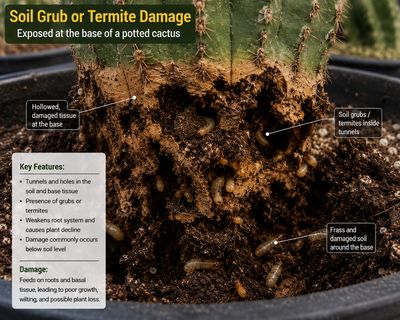
- Water/Dormancy: Water deeply only when the substrate is bone-dry. During the monsoon, protect from atmospheric humidity and cessation of watering is advised. In winter, maintain a dry dormancy to mimic its native desert cycle.
5. Scientific/Historical Anecdote Despite its agave-like appearance, DNA sequencing confirms it is closely related to the genus Ferocactus.
New
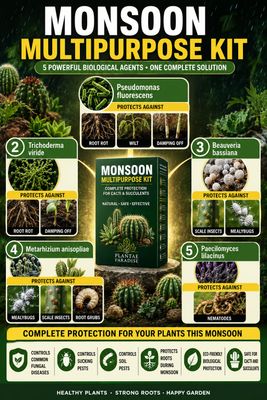
Monsoon Guardian Kit (5 in 1)
Monsoon Guardian Kit (5 in 1)
Complete 5-in-1 biological protection kit for cacti & succulents
SKU MNS024
₹850.00

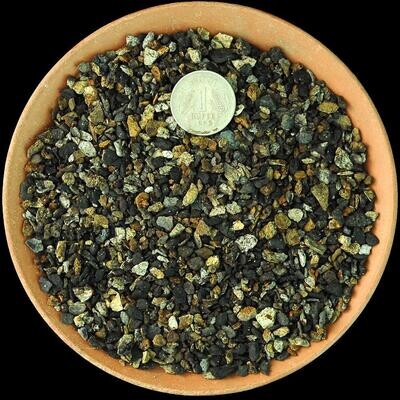
Cactus & Succulent Planting Mix COARSE (aka Cactus Soil Mix or Succulent Soil Mix)
Cactus & Succulent Planting Mix COARSE (aka Cactus Soil Mix or Succulent Soil Mix)
Washed, Free-Draining Mineral Mix for Cactus & Succulents
SKU MNS003
₹44.85
