

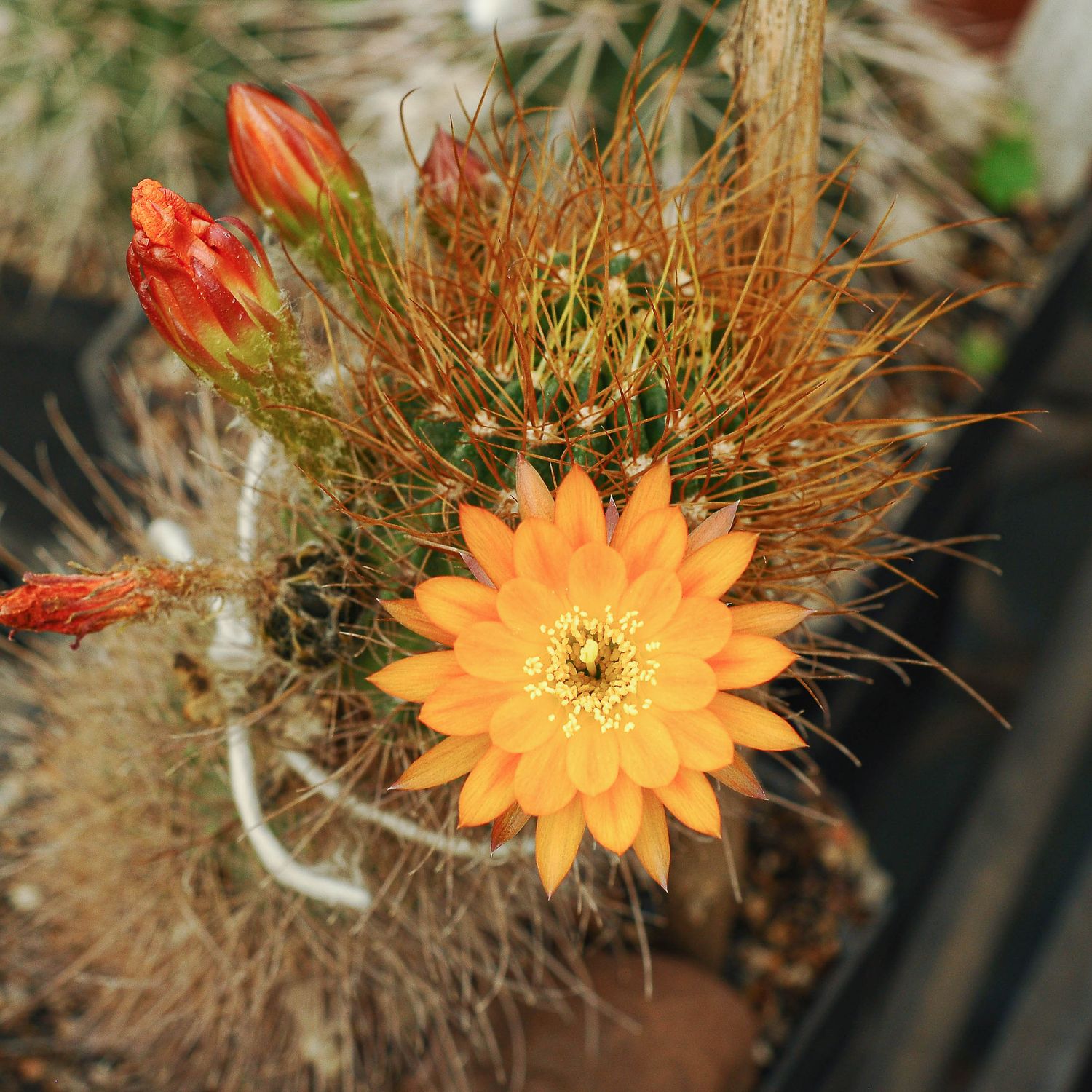
Lobivia acanthoplegma var pilosa
Product Details
Amber Luminescence: Lobivia acanthoplegma var. pilosa
A rare high-altitude specialist featuring nectar-rich orange blooms set against a striking architectural lattice of dense spines.
- Origin & History of Name: The genus name Lobivia is an anagram of Bolivia, the primary country of its origin. The specific epithet acanthoplegma is derived from the Greek akantha (thorn) and plegma (braid/interwoven), describing the complex spine structure. The varietal name pilosa refers to the Latin pilosus (hairy), denoting the soft, hairlike spines or woolly areoles characteristic of this variety.
- Morphology: This specimen features a globose to short-cylindrical epidermis protected by a dense network of radial spines. The body is divided into distinct costae (ribs) that allow the plant to expand during hydration. It is distinguished by its vivid orange infatuation, characterized by symmetrical, acuminate (pointed) petals and a pollen-heavy, yellow-dusted center designed to attract specific pollinators.
- Habitat & Origin: This is a wild species native to the high-elevation Andean regions of Cochabamba, Bolivia. It thrives in rocky, well-draining slopes at altitudes of 2,500–3,500 meters. Our specimens are ethically propagated via nursery-grown seed or offsets to ensure the protection of wild populations and environmental sustainability.
- Cultivation Profile:
- Substrate: Use a strictly mineral-based mix (60% grit/pumice/perlite and 40% coarse sand/organic matter) to prevent root rot in humid Indian climates.
- Light: Requires full morning sun with slight afternoon shading during peak Indian summers (April–June) to prevent epidermal scorching.
- Water/Dormancy: Provide deep watering once the substrate is completely dry. Maintain a strict dry dormancy from November to February; this cool, dry rest is essential for triggering the orange blooms in spring.
- Scientific/Historical Anecdote: The genus Lobivia was first established by botanist Nathaniel Lord Britton and Joseph Nelson Rose in 1922. For decades, these plants were taxonomically "homeless," frequently shifted between Echinopsis and Lobivia. Recent DNA sequencing has reaffirmed their unique status based on their distinct high-altitude flowering triggers, which differ significantly from their lowland Echinopsis cousins.


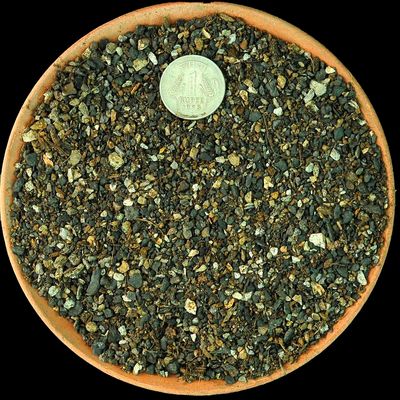
Cactus Seed Planting Mix
Cactus Seed Planting Mix
Sterile, Fine-Grain Media for Cactus & Succulent Seeds
SKU MNS005
₹74.85
New


Monsoon Guardian Kit (5 in 1)
Monsoon Guardian Kit (5 in 1)
Complete 5-in-1 biological protection kit for cacti & succulents
SKU MNS024
₹850.00

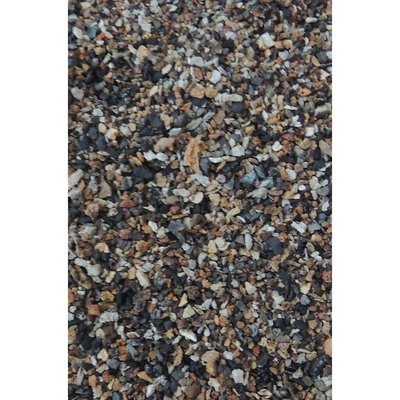
Cactus & Succulent Planting Mix FINE (aka Cactus Soil Mix or Succulent Soil Mix)
Cactus & Succulent Planting Mix FINE (aka Cactus Soil Mix or Succulent Soil Mix)
Fine-Grain Potting Mix for Cactus & Succulent Roots
SKU MNS001
₹39.85