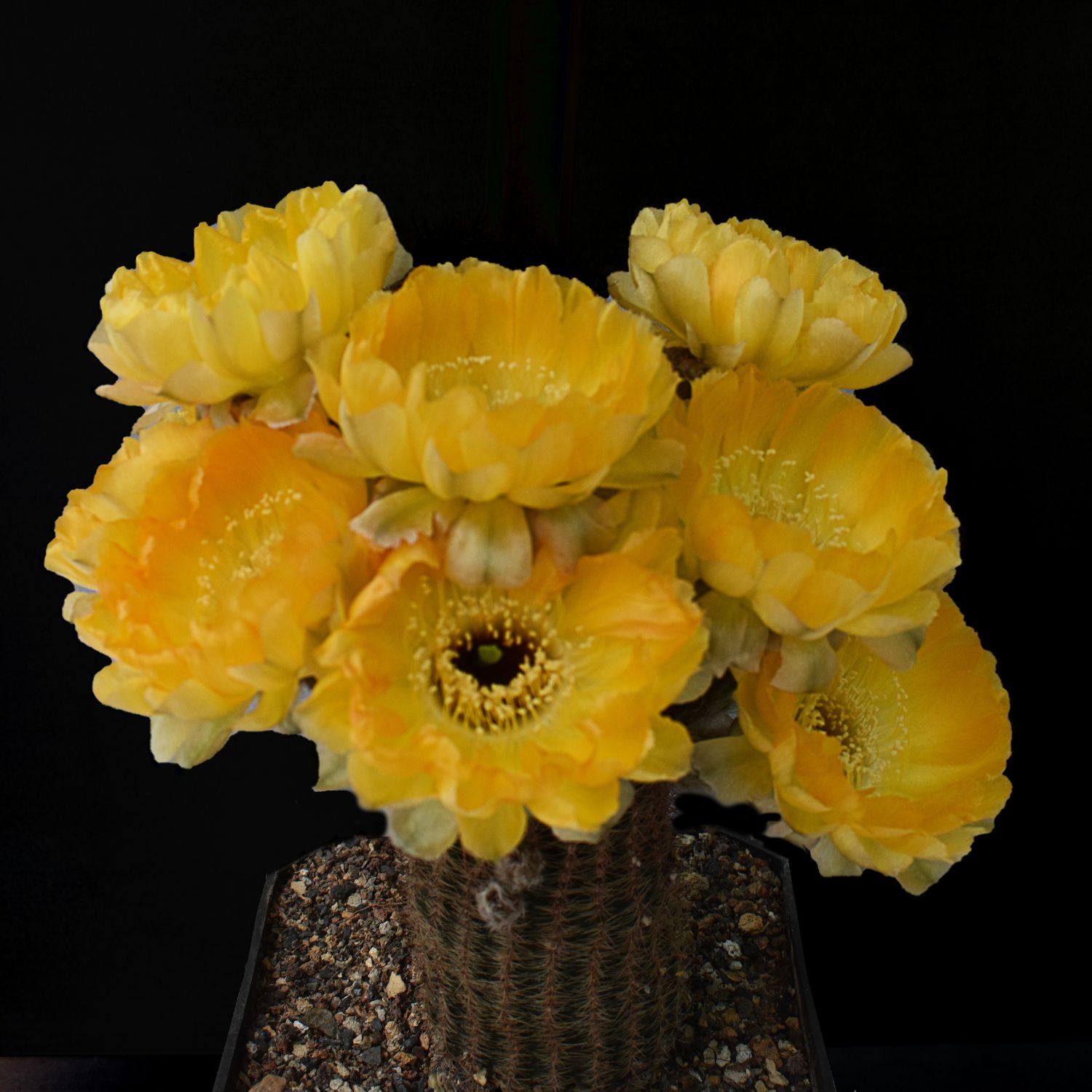
Lobivia denisispina x Mars iridescens
Product Details
Radiant Solar Hybrid: Lobivia densispina x Mars iridescens
A high-intensity hybrid pairing extreme spination with vibrant, multi-tonal golden blooms for the elite succulent gallery.
- Origin & History of Name: The genus Lobivia is an anagram of Bolivia, the primary country of its discovery.
- Morphology: This cactus features a globose to short-cylindrical epidermis completely obscured by a dense matrix of pectinate spines. It possesses pronounced costae (ribs) that allow the body to expand during hydration. The inflorescence is distinct: bowl-shaped, actinomorphic flowers with rounded, ruffled petals that transition from a bright golden-yellow periphery to a deep, orange-pigmented receptacle (center).
- Habitat & Origin: This plant is a cultivar, the result of anthropogenic selection between High-Andean species.
- Cultivation Profile:
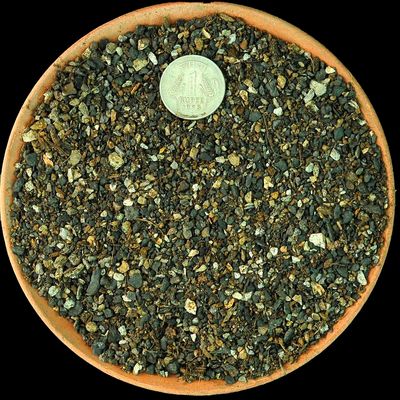
- Substrate: Requires a coarse, mineral-heavy substrate. Use a mix of 80% volcanic rock, fine gravel, or burnt clay (leca) and 20% organic compost to ensure rapid drainage during the Indian monsoon.
- Light: Thrives in filtered high-intensity light. In the Indian subcontinent, 40–50% green shade-netting is recommended during summer to prevent epidermal scorching while encouraging bud initiation.
- Water/Dormancy: Implement a strict seasonal watering regime. Provide regular deep watering from March to September, allowing the medium to dry completely. Maintain absolute dryness from November to February to trigger the cool-temperature dormancy required for spring flowering.
- Scientific/Historical Anecdote: The genus Lobivia was first established by botanist Nathaniel Lord Britton and Joseph Nelson Rose in 1922.

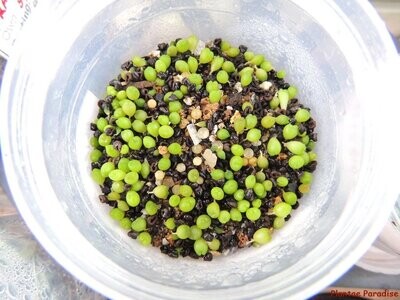
Cactus Seed Planting Mix
Cactus Seed Planting Mix
Sterile, Fine-Grain Media for Cactus & Succulent Seeds
SKU MNS005
₹74.85
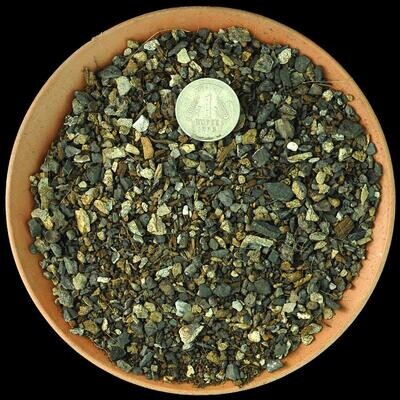
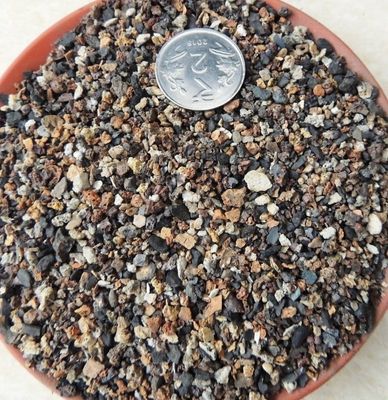
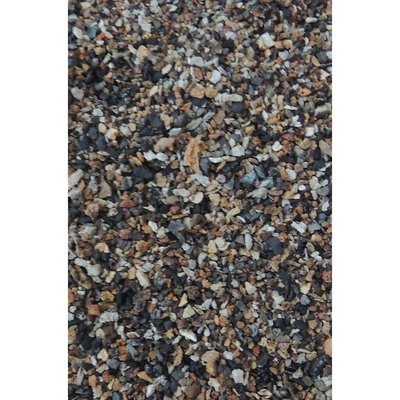
Cactus & Succulent Planting Mix FINE (aka Cactus Soil Mix or Succulent Soil Mix)
Cactus & Succulent Planting Mix FINE (aka Cactus Soil Mix or Succulent Soil Mix)
Fine-Grain Potting Mix for Cactus & Succulent Roots
SKU MNS001
₹39.85