

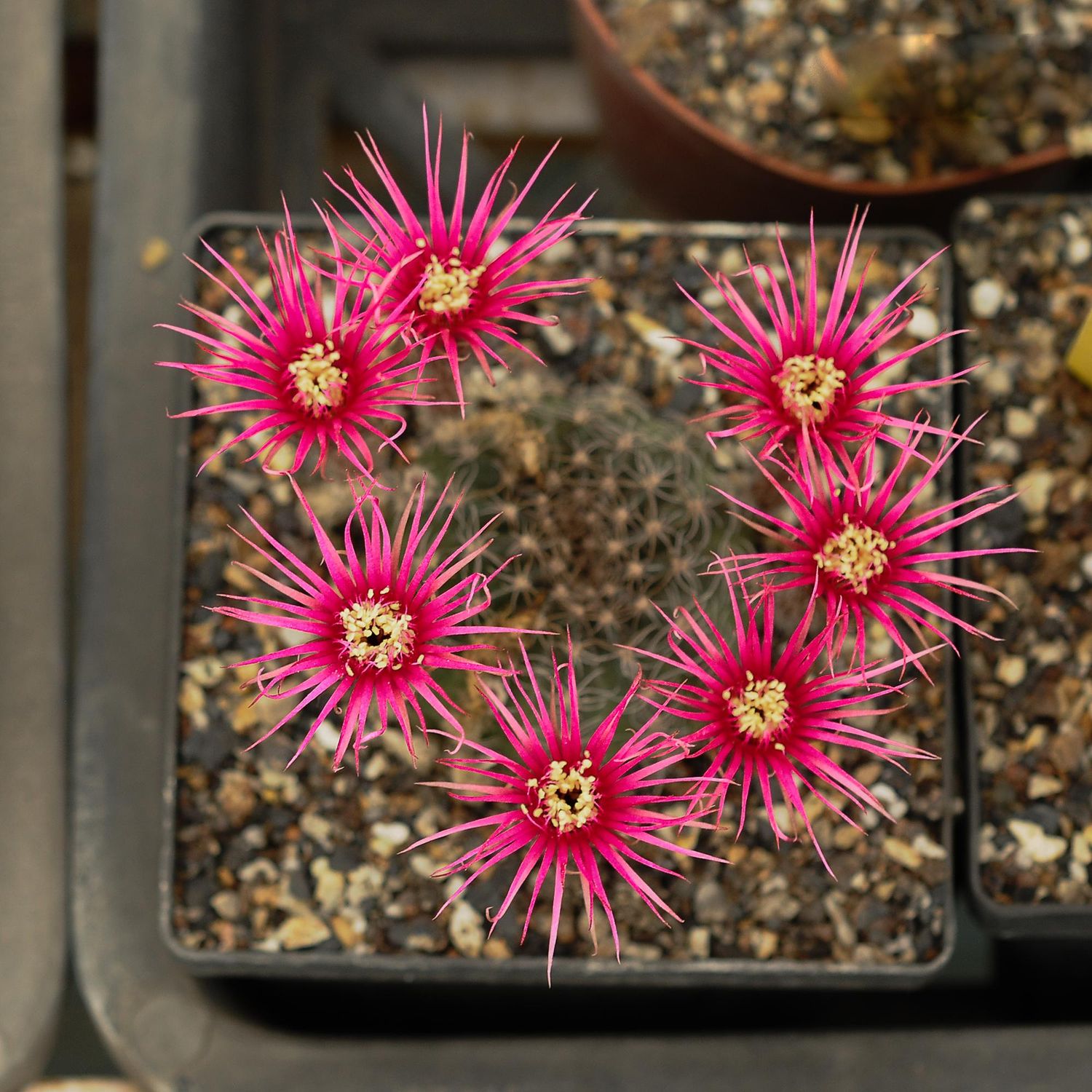
Lobivia hybrid Fire Cracker Magenta
Product Details
Radiant Spikes: Lobivia Hybrid 'Fire Cracker'
A rare explosion of needle-thin magenta petals that transforms any collection into a living firework display.
- Origin & History of Name: The genus name Lobivia is an anagram of Bolivia, the primary country where these cacti originate.
- Morphology: This specimen features a globose to cylindrical epidermis (outer skin) with pronounced costae (vertical ribs) that host woolly areoles. Its most striking feature is the flower: unlike standard cup-shaped blooms, 'Fire Cracker' produces flowers with exceptionally narrow, acuminate petals in vivid magenta. These "spiky" petals create a textured, multi-layered appearance that is unique among Lobivia cultivars.
- Habitat & Origin: This is a cultivar, a product of selective greenhouse breeding rather than a wild species.
- Cultivation Profile (Indian Context):
- Substrate: Use a strictly mineral-based mix (60% coarse sand, pumice, or crushed brick and 40% organic matter) to ensure rapid drainage during the monsoon.
- Light: Requires bright, filtered sunlight. In the Indian plains, provide 50% shade cloth during peak summer (April–June) to prevent epidermal scorching.
- Water/Dormancy: Water thoroughly when the medium is bone-dry. During the winter dormancy (November–February), withhold water almost entirely to trigger spring budding and prevent root rot in the cooler, humid air.
- Scientific/Historical Anecdote: The genus Lobivia was first established by botanist Nathaniel Lord Britton and Joseph Nelson Rose in 1922.
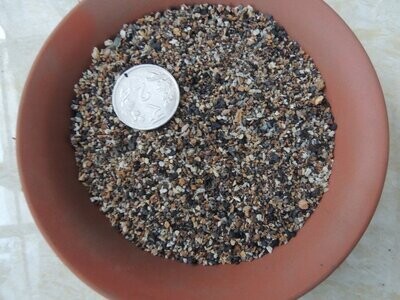
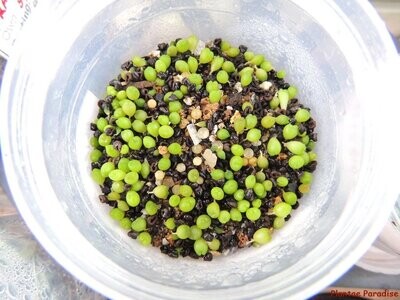
Cactus Seed Planting Mix
Cactus Seed Planting Mix
Sterile, Fine-Grain Media for Cactus & Succulent Seeds
SKU MNS005
₹74.85
New

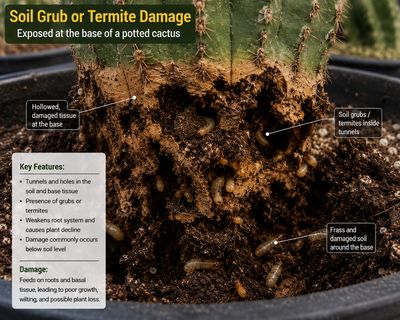
Monsoon Guardian Kit (5 in 1)
Monsoon Guardian Kit (5 in 1)
Complete 5-in-1 biological protection kit for cacti & succulents
SKU MNS024
₹850.00
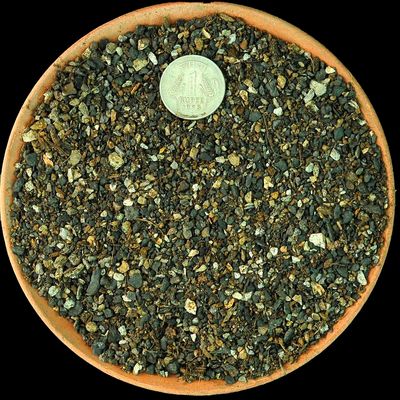
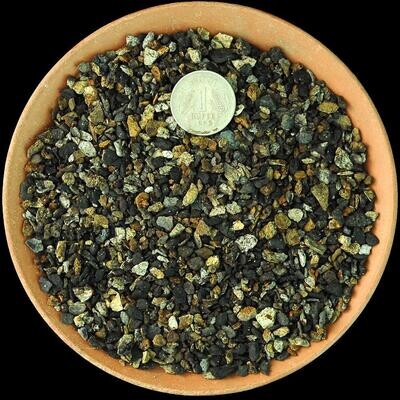
Cactus & Succulent Planting Mix COARSE (aka Cactus Soil Mix or Succulent Soil Mix)
Cactus & Succulent Planting Mix COARSE (aka Cactus Soil Mix or Succulent Soil Mix)
Washed, Free-Draining Mineral Mix for Cactus & Succulents
SKU MNS003
₹44.85