

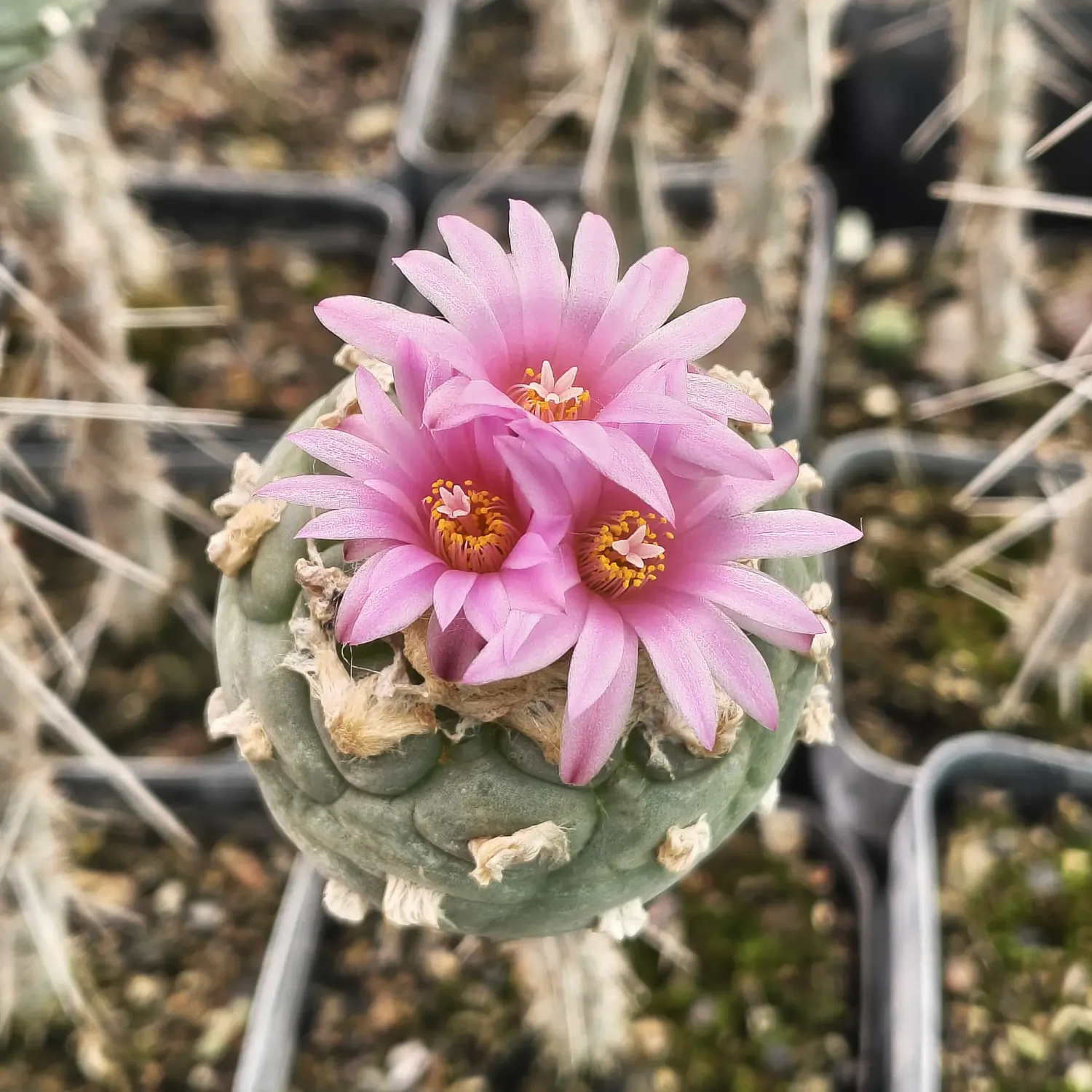
Lophophora diffusa
Product Details
Plant Size: 1 to 1.5 inch. Any random plant will be sent.
Grafted on: Pereskiopsis
The False Peyote: Lophophora diffusa
A rare, spineless treasure for the discerning collector seeking sculptural elegance and botanical history.
- Origin & History of Name: The genus name Lophophora derives from the Greek lophos (crest) and phoreus (bearer), referring to the tufts of trichomes (hair) on the areoles.
The specific epithet diffusa refers to the "diffuse" or spreading nature of its ribs, which are less defined than its famous relative, L. williamsii. It was first described by Charles Antoine Lemaire in the mid-19th century and is often called the "False Peyote" because it lacks significant amounts of the alkaloid mescaline. - Morphology: This succulent is characterized by a globose, glaucous-green epidermis that is soft to the touch.
Unlike most cacti, it is entirely spineless. It features broad, flat costae (ribs) that are often sinuous or indistinct, giving the plant a "melted" appearance. In the center, a woolly apex produces small, delicate flowers ranging from white to pale yellow. - Habitat & Origin: This is a wild species endemic to a very restricted area in the Querétaro state of Mexico.
It grows in calcareous (limestone) soils within semi-arid scrublands. Due to its limited range and slow growth, it is considered vulnerable; ensure your specimen is nursery-grown and CITES-compliant to support sustainability. - Cultivation Profile:
- Substrate: Use a strictly mineral-based mix (70% grit/pumice/coarse sand, 30% organic matter). Avoid standard potting soil which retains too much moisture for Indian humidity.
- Light: Requires bright, indirect light. In the Indian subcontinent, provide 40-50% shade cloth during peak summer to prevent the epidermis from scorching.
- Water/Dormancy: Water thoroughly only when the plant feels slightly soft, typically every 2-3 weeks during the monsoon and summer. Maintain strict dry dormancy from November to February to prevent rot during cooler nights.
- Scientific/Historical Anecdote: For decades, L. diffusa was considered a variety of the common Peyote. It wasn't until 1967 that botanist Helia Bravo-Hollis elevated it to species rank based on its distinct chemical profile—primarily containing pellotine rather than mescaline—and its unique, more southern geographic isolation.
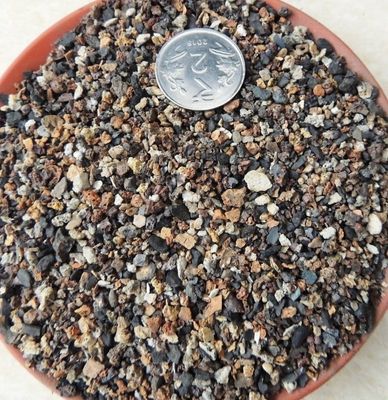
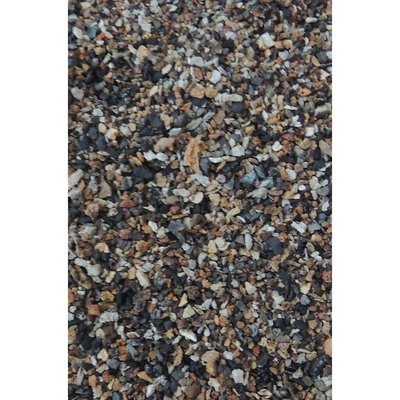
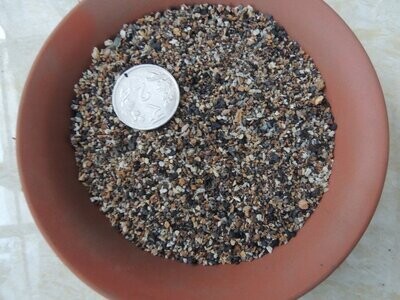
Cactus & Succulent Planting Mix FINE (aka Cactus Soil Mix or Succulent Soil Mix)
Cactus & Succulent Planting Mix FINE (aka Cactus Soil Mix or Succulent Soil Mix)
Fine-Grain Potting Mix for Cactus & Succulent Roots
SKU MNS001
₹39.85
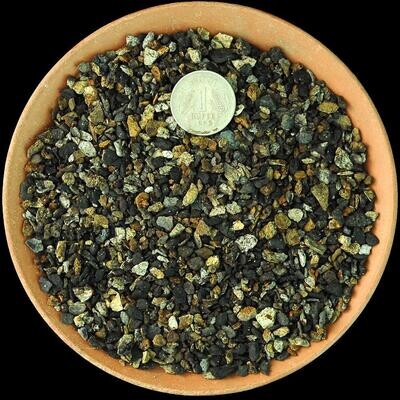
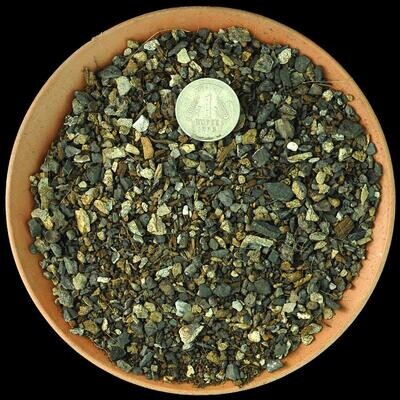
Cactus & Succulent Planting Mix COARSE (aka Cactus Soil Mix or Succulent Soil Mix)
Cactus & Succulent Planting Mix COARSE (aka Cactus Soil Mix or Succulent Soil Mix)
Washed, Free-Draining Mineral Mix for Cactus & Succulents
SKU MNS003
₹44.85
Cactus Seed Planting Mix
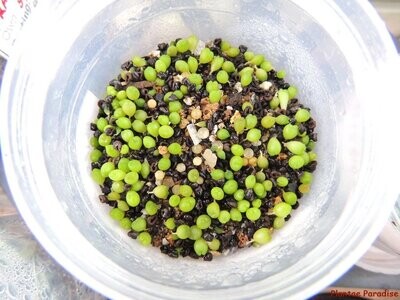
Cactus Seed Planting Mix
Sterile, Fine-Grain Media for Cactus & Succulent Seeds
SKU MNS005
₹74.85