Lophophora williamsii var. fricii
Common Names:
- False Peyote
- Fricii Peyote
Scientific Classification:
- Kingdom: Plantae
- Clade: Angiosperms
- Order: Caryophyllales
- Family: Cactaceae
- Genus: Lophophora
- Species: L. williamsii
- Variety: fricii
Description:
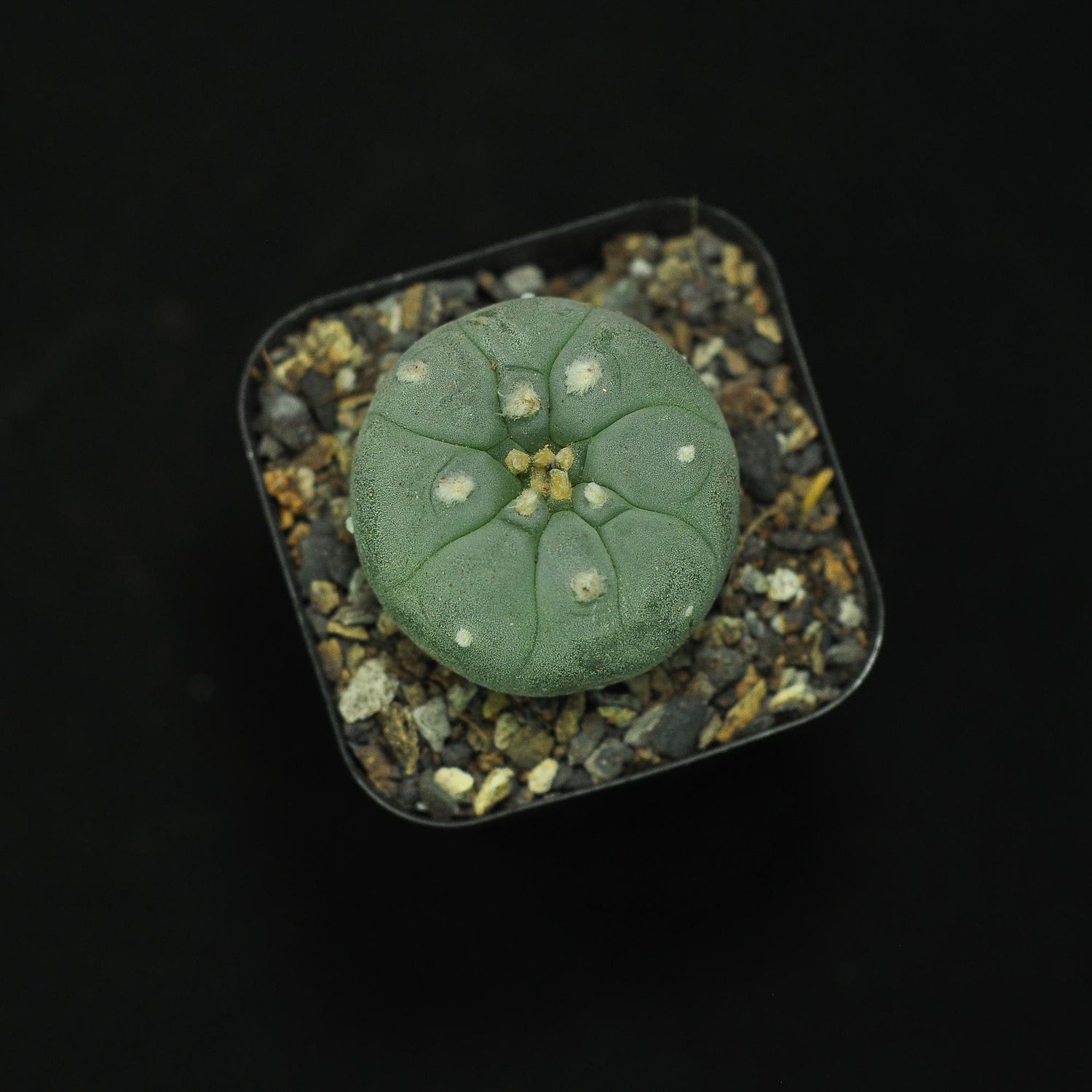
Lophophora williamsii var. fricii is a small, spineless cactus closely related to the well-known peyote (Lophophora williamsii). It is characterized by its globular to slightly flattened shape, with a bluish-green to gray-green epidermis. The plant typically grows solitary or in small clusters, reaching diameters of 2–4 inches (5–10 cm). It features pronounced ribs with tufts of fine, white wool in the areoles. Unlike the true peyote, L. williamsii var. fricii produces larger, pale pink to magenta flowers, which bloom in late spring or early summer. The fruits are small, club-shaped, and contain tiny black seeds.
Origin of the Name:
The genus name Lophophora is derived from the Greek lophos (meaning “crest” or “tuft”) and phoros (meaning “bearing”), referring to the tufts of wool in the areoles. The species name williamsii honors the American botanist C. H. Williams. The variety name fricii honors the Czech cactus collector and explorer Alberto Vojtěch Frič, who extensively studied and collected cacti in the Americas.
Origin of the Plant:
Lophophora williamsii var. fricii is native to the Chihuahuan Desert region of northern Mexico, particularly in the states of Coahuila and Nuevo León. It grows in rocky, limestone-rich soils in arid environments.
Conservation Status:
Lophophora williamsii and its varieties, including fricii, are listed on CITES Appendix II due to overharvesting for ceremonial and ornamental use. Habitat loss and illegal collection further threaten wild populations. Conservation efforts focus on habitat protection and sustainable cultivation.
Ecological Role:
In its natural habitat, Lophophora species provide microhabitats for small desert fauna and contribute to the biodiversity of arid ecosystems. Their flowers attract pollinators such as bees and butterflies.
Cultivation and Care:
- Light: Prefers bright, indirect light or partial sun. Protect from intense midday sun to prevent scorching.
- Water: Water sparingly, allowing the soil to dry completely between waterings. Reduce watering during dormancy (winter).
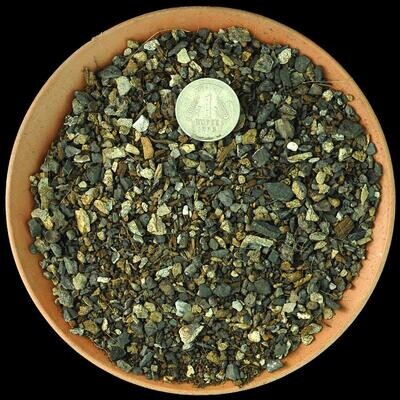
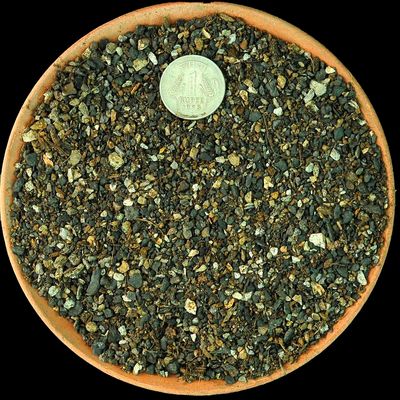
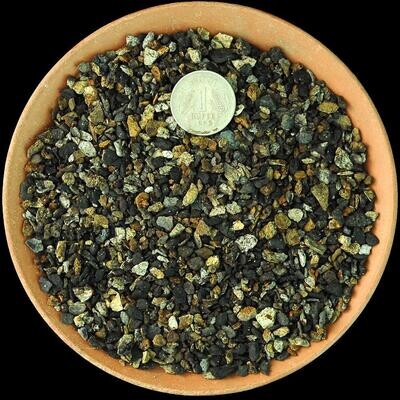
- Soil: Use a well-draining, mineral-rich substrate, such as a cactus mix amended with limestone gravel.
- Temperature: Thrives in warm climates (60–90°F or 15–32°C). Protect from frost and freezing temperatures.
- Propagation: Propagated through seeds. Germination can be slow and requires well-draining soil and warm conditions.
Why It’s Special:
Lophophora williamsii var. fricii is highly prized for its compact size, unique appearance, and striking flowers. It is a sought-after species among cactus enthusiasts and collectors, particularly for its ornamental value.
Perfect For:
- Cactus collectors
- Rock and desert gardens
- Small ornamental displays