

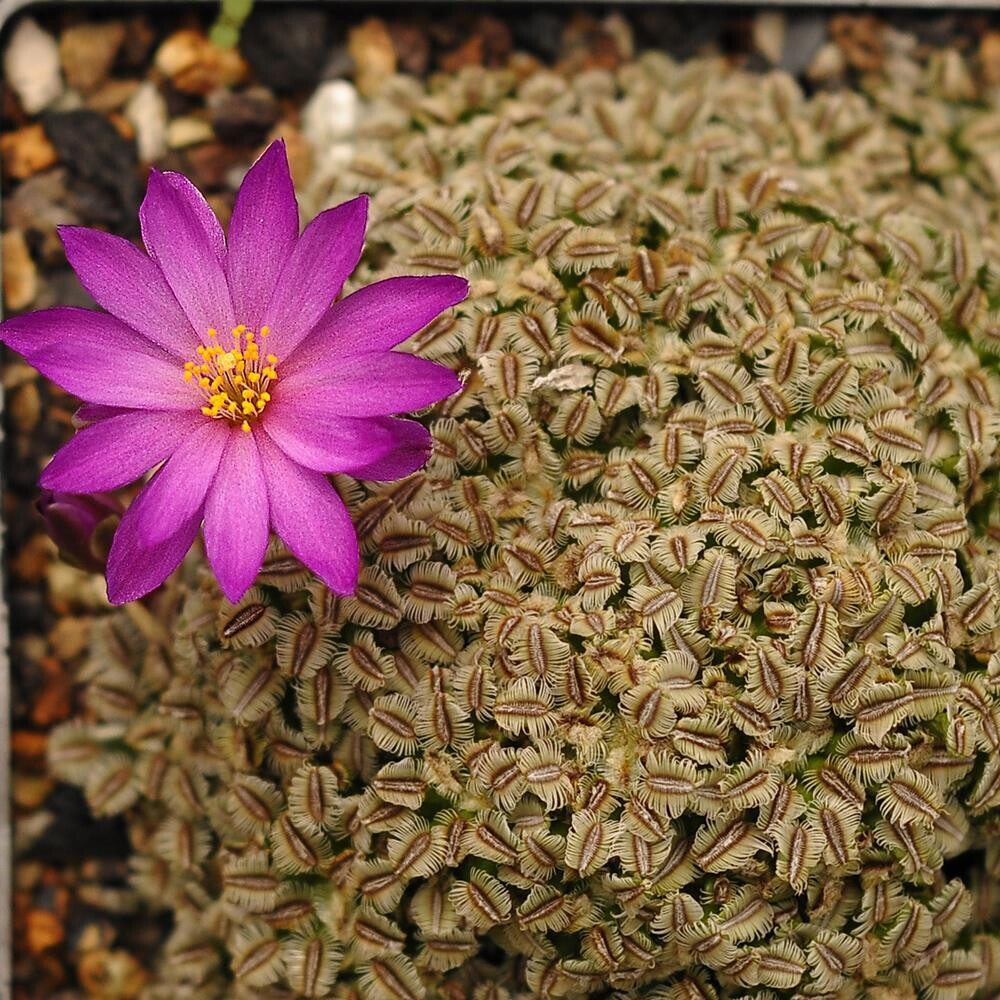
Mammillaria bertholdii Lizen
Product Details
Geometric Perfection: Mammillaria bertholdii (Lizen selection)
A pinnacle of cactus evolution, this ultra-rare specimen features mesmerizing fractal symmetry that mimics the intricate patterns of a snowflake.
- Origin & History of Name: The genus name Mammillaria comes from the Latin mammilla (nipple), referring to the characteristic tubercles.
The species bertholdii was named in 2014 to honor Andreas Berthold, a German cactus enthusiast who assisted in its discovery. "Lizen" refers to a specific horticultural selection or clonal line noted for its exceptional radial symmetry and dense spination, distinguishing it from standard field-collected genetics. - Morphology: This species is distinct for its flattened, geophytic habit, staying low to the ground. The epidermis is divided into unique, elongated tubercles that end in a pectinate (comb-like) arrangement of white radial spines. Unlike most cacti, the spines are flattened against the tubercle apex, creating a mosaic-like surface. It lacks traditional costae (ribs), instead relying on these spiraling tubercles to manage light and heat.
- Habitat & Origin: Mammillaria bertholdii is a wild species endemic to a very localized area in Oaxaca, Mexico.
It grows in semi-arid environments on limestone slabs. Due to its extreme rarity and vulnerability in the wild, this "Lizen" offering is produced via ex-situ cultivation (nursery-grown) often through grafting or controlled pollination to ensure the sustainability of wild populations. - Cultivation Profile:
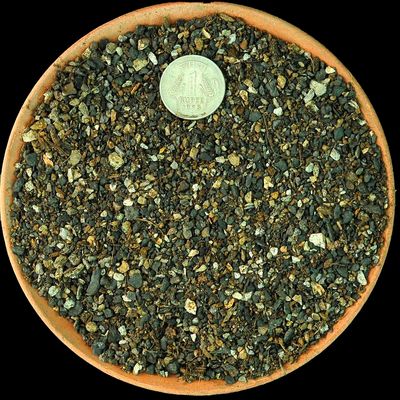
- Substrate: Requires an ultra-porous, 90% mineral-based mix. Use a blend of coarse sand, expanded clay, and volcanic rock with minimal peat to prevent moisture retention around the sensitive taproot.
- Light: Provides bright, filtered sunlight. In the Indian subcontinent, protection from harsh mid-day sun (using 50% shade cloth) is vital to prevent scorching of the delicate epidermis.
- Water/Dormancy: Extremely sensitive to overwatering.
Water sparingly during the summer growing season only when the substrate is bone dry. Maintain strict dry dormancy from November to March to accommodate the cooler, dryer winters of North India or the humidity shifts in the South.
- Scientific/Historical Anecdote: Mammillaria bertholdii is considered one of the most significant cactus discoveries of the 21st century. Before its formal description in 2014, it was hidden in plain sight; its cryptic, flattened growth habit allows it to retract almost entirely underground during dry spells, making it nearly invisible to the naked eye in its natural habitat until it produces its large, vibrant purple flowers.
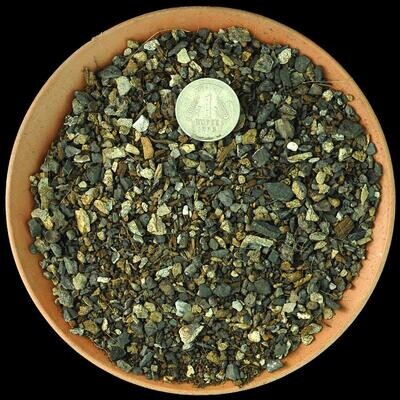
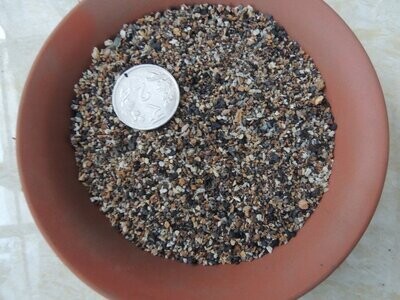
Cactus Seed Planting Mix
Cactus Seed Planting Mix
Sterile, Fine-Grain Media for Cactus & Succulent Seeds
SKU MNS005
₹74.85
New


Monsoon Guardian Kit (5 in 1)
Monsoon Guardian Kit (5 in 1)
Complete 5-in-1 biological protection kit for cacti & succulents
SKU MNS024
₹850.00