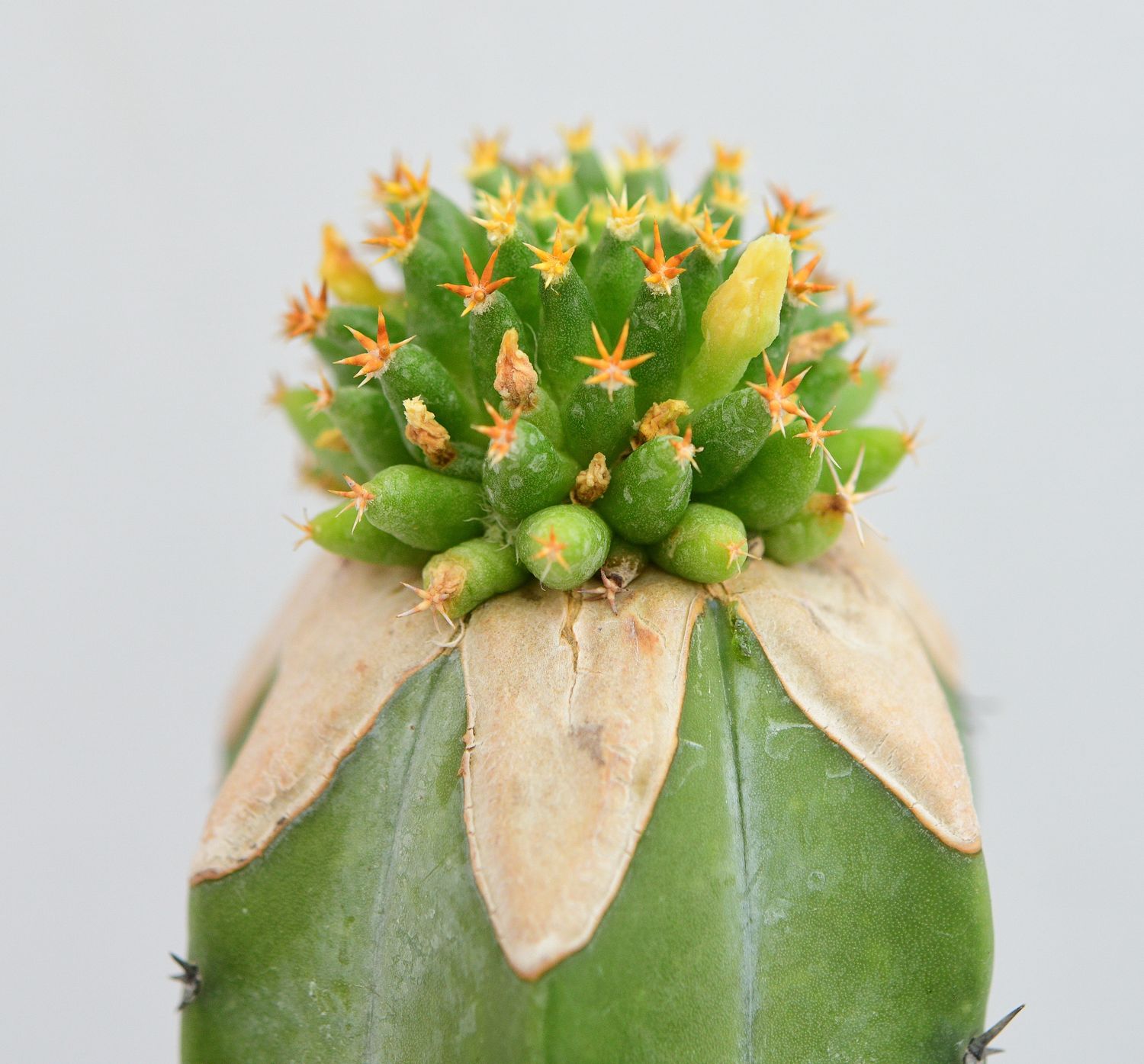
Mammillaria camptotricha cv. Bru
Origin of Name:
The name Mammillaria originates from the Latin word mammilla, meaning "nipple," which refers to the prominent tubercles that characterize this genus. The species name camptotricha comes from Greek, where campto- means "bent" or "curved," and tricha means "hair," together describing the plant's bent spines that resemble curved hair. This unique characteristic adds to the plant's intriguing texture and visual appeal. The cultivar name "Bru" signifies a cultivated variant that displays specific desirable traits selected for its ornamental appeal, often passed down through horticultural selection.
Origin of Plant:
Mammillaria camptotricha is native to the arid regions of central Mexico, thriving in rocky terrains and desert environments where it benefits from well-drained soils and substantial sunlight. It was first described by botanists in the 19th century as part of extensive exploration efforts to document Mexico's rich cactus flora. The geographical locale and unique environmental pressures of the region have helped shape the distinctive features of this species, making it particularly valuable to collectors who cherish its natural beauty and adaptability.
Description:
The Mammillaria camptotricha cv. Bru is a delightful, small cactus that typically forms clusters of globular or cylindrical stems, each decorated with pronounced, hair-like spines. The spines are white to yellowish, soft to the touch, and curve slightly, creating an appearance like wispy locks of hair. This soft, plush look contrasts charmingly with the plant's sturdy, green body. The plant usually grows up to 4 inches in height and 3 inches in diameter but can spread wider as it matures into a cluster. During the blooming season, it showcases delicate, funnel-shaped flowers in shades of pink or magenta, which emerge from the axils of the tubercles and add vibrant splashes of color. These blooms are both an attractive and rewarding aspect of this cultivar, enhancing its decorative value.
Conservation Status:
While Mammillaria camptotricha is not currently classified as threatened or endangered, wild populations face pressures from habitat destruction due to urban expansion and agriculture. Conservation efforts focus on habitat preservation and implementing sustainable practices within the cactus trade to protect natural populations. The widespread cultivation of this and other stunning cultivars like "Bru" helps alleviate stress on wild populations by providing a sustainable source for enthusiasts.
Care:
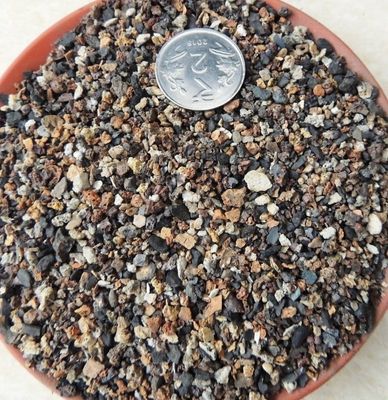
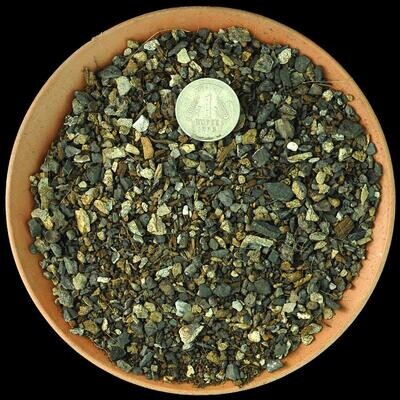
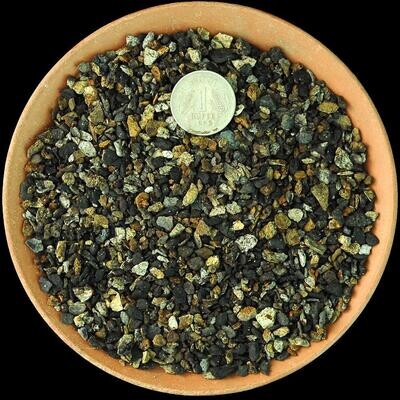
To care for Mammillaria camptotricha cv. Bru, provide it with a gritty, well-draining soil mixture suitable for cacti and succulents, incorporating sand or pumice for optimal drainage. Position the plant in bright, indirect sunlight or partial shade, ensuring it receives at least 4-6 hours of light daily. Water sparingly, allowing the soil to dry thoroughly between waterings, particularly in winter when the plant is dormant. Protect the plant from frost, ideally maintaining it in temperatures between 65°F and 85°F. An occasional fertilization with a diluted cactus fertilizer during the growing season can encourage healthy development and flowering. With proper care, this cactus will thrive, showcasing its charming, fuzzy appearance and lovely blooms.
Interesting Fact:
The "Bru" variant of Mammillaria camptotricha is popular not only for its captivating appearance but for its symbolic representation of the resilient landscapes of central Mexico. Its whimsical hair-like spines and colorful flowers serve as a beautiful reminder of the diversity and wonder found in the world of cacti, capturing the imagination of plant enthusiasts across the globe.