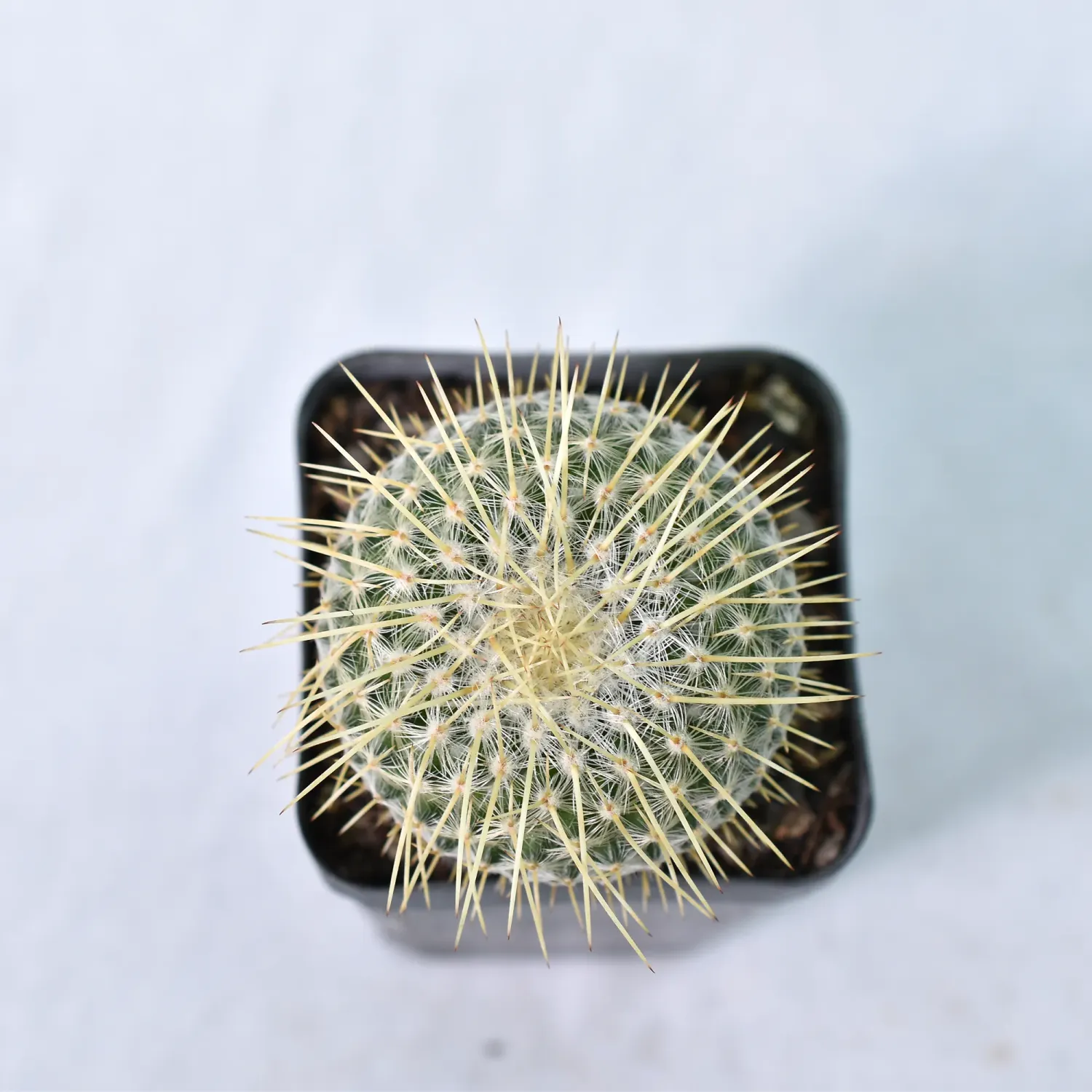
Mammillaria celsiana Longispina
Product Details
Golden Spines of Central Mexico: Mammillaria celsiana 'Longispina'
A sculptural masterpiece for the serious collector, prized for its dense, shimmering crown of elongated golden spines.
- Origin & History of Name: The genus name Mammillaria comes from the Latin mammilla, meaning "nipple" or "teat," referring to the tubercle-based structure of the plant.
- Morphology: This globose cactus eventually becomes cylindrical, featuring a glaucous green epidermis covered in firm, conical tubercles.
- Habitat & Origin: This is a naturally occurring variety of a wild species native to the high-altitude volcanic regions of Central Mexico (specifically San Luis Potosí, Querétaro, and Guanajuato). Our specimens are sustainably nursery-grown from seed to protect wild populations from poaching.
- Cultivation Profile:
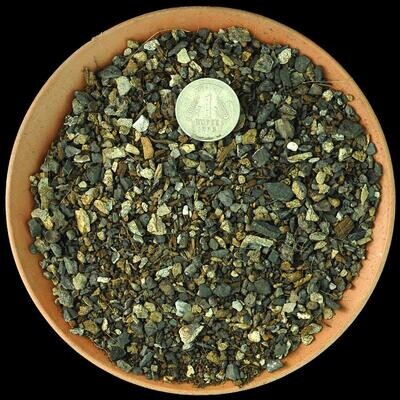
- Substrate: Use a strictly mineral-based mix (70% grit/pumice/coarse sand, 30% organic matter) to ensure rapid drainage.
- Light: Requires full sun to very bright indirect light. In the Indian summer, provide 30% shade cloth protection during peak afternoon hours (12 PM – 4 PM) to prevent epidermal scorching.
- Water/Dormancy: Follow a "soak and dry" method during the growing season. During the Indian monsoon, withhold water entirely if humidity is high to prevent root rot. Maintain a dry dormancy period from November to February.
- Scientific/Historical Anecdote: Mammillaria is one of the largest genera in the cactus family, first described by Carl Linnaeus in 1753.
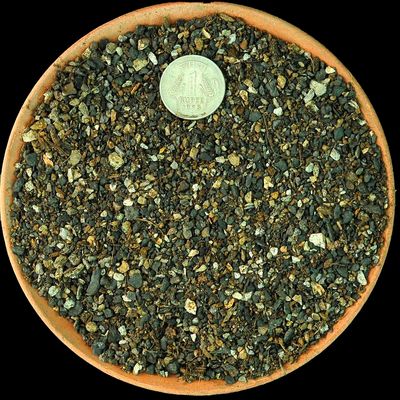
Cactus & Succulent Planting Mix FINE (aka Cactus Soil Mix or Succulent Soil Mix)
Cactus & Succulent Planting Mix FINE (aka Cactus Soil Mix or Succulent Soil Mix)
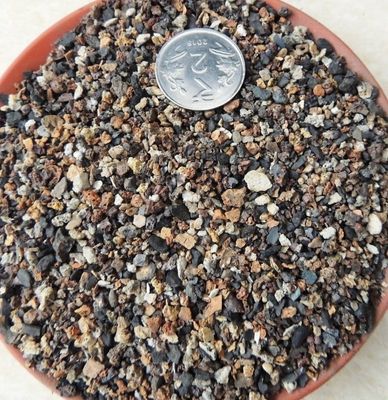
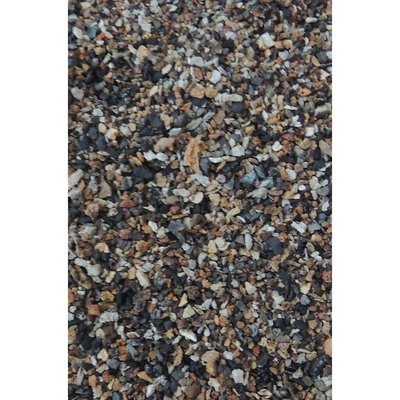
Fine-Grain Potting Mix for Cactus & Succulent Roots
SKU MNS001
₹39.85
New
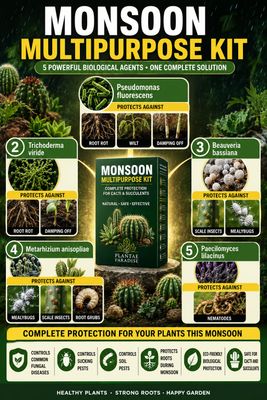
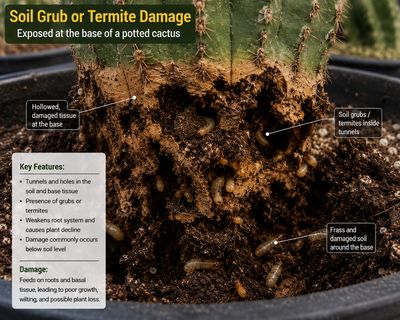
Monsoon Guardian Kit (5 in 1)
Monsoon Guardian Kit (5 in 1)
Complete 5-in-1 biological protection kit for cacti & succulents
SKU MNS024
₹850.00