Mammillaria crinita ssp. duwei
Product Details
The Feathery Jewel: Mammillaria crinita ssp. duwei
A rare, soft-to-the-touch marvel for the collector who prizes delicate textures and golden blooms.
- Origin & History of Name: The genus name Mammillaria is derived from the Latin mamilla, meaning "nipple," referring to the plant’s characteristic tubercles. This subspecies is named in honor of Helmut Duwe, a German succulent enthusiast. It was formally described in 1985 by botanists Rogozinski and Braun after being distinguished from the broader M. crinita complex due to its unique spination.
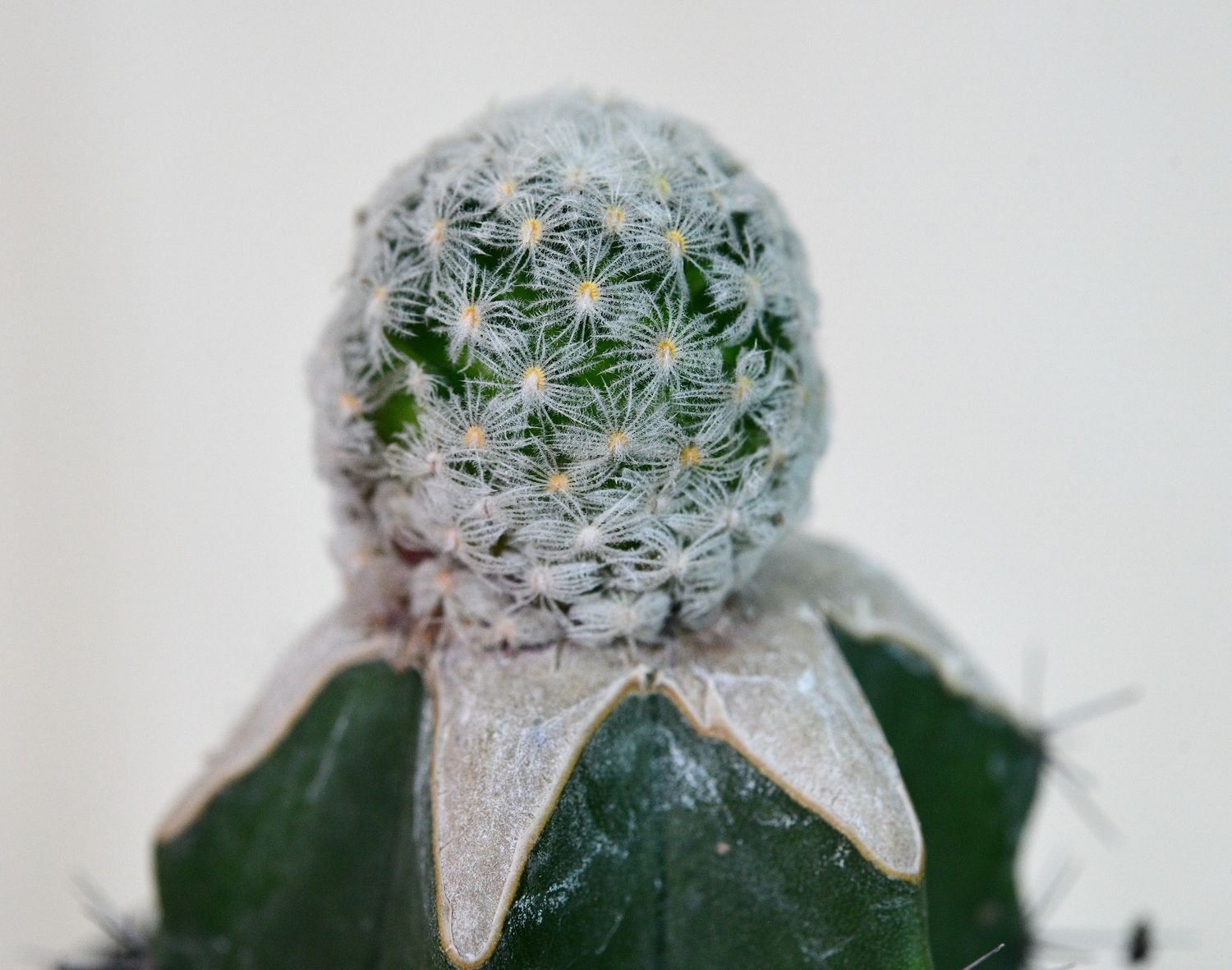
- Morphology: This globose cactus is defined by its small, dark green epidermis densely covered in soft, white, plumose (feathery) radial spines. Unlike many of its relatives, the central spines are usually absent or reduced to a singular, yellow hooked spine. It produces pale yellow to cream-colored flowers that emerge from the axils between the tubercles, followed by small red fruits.
- Habitat & Origin: This is a wild species endemic to a very restricted range in Guanajuato, Mexico.
It grows in semi-arid environments tucked into volcanic rock crevices. All our specimens are nursery-grown from seed to ensure the protection of wild populations and adhere to CITES sustainability standards. - Cultivation Profile:
- Substrate: Use a strictly mineral-based mix (70% crushed expanded clay, pumice, or fine gravel and 30% organic matter) to prevent root rot in humid Indian climates.
- Light: High-intensity filtered sunlight. In India, provide bright morning sun but use 50% shade cloth during harsh May/June afternoons to prevent scorching.
- Water/Dormancy: Water deeply only when the medium is bone-dry.
During the monsoon, keep the plant completely dry and well-ventilated. In winter, withhold water entirely to respect its natural dormancy and encourage spring flowering.
- Scientific/Historical Anecdote: While most cacti use spines for defense against herbivores, the plumose spines of the duwei serve a dual biological purpose: they act as a "parasol" to reflect intense UV radiation and create a micro-layer of still air around the plant body to reduce moisture loss through evaporation.
New


Monsoon Guardian Kit (5 in 1)
Monsoon Guardian Kit (5 in 1)
Complete 5-in-1 biological protection kit for cacti & succulents
SKU MNS024
₹850.00


Cactus Seed Planting Mix
Cactus Seed Planting Mix
Sterile, Fine-Grain Media for Cactus & Succulent Seeds
SKU MNS005
₹74.85

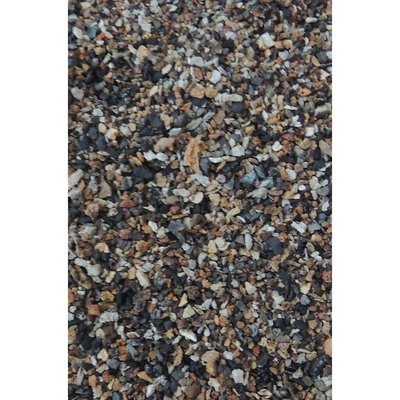
Cactus & Succulent Planting Mix FINE (aka Cactus Soil Mix or Succulent Soil Mix)
Cactus & Succulent Planting Mix FINE (aka Cactus Soil Mix or Succulent Soil Mix)
Fine-Grain Potting Mix for Cactus & Succulent Roots
SKU MNS001
₹39.85