Mammillaria elongata albispinus rubriflora
1. Origin of Name:
The genus Mammillaria comes from the Latin "mamma," signifying "nipple," referring to the cactus's characteristic tubercles resembling small nipples or mounds. The species elongata is derived from Latin, meaning "elongated," describing the plant's characteristic long, cylindrical shape. The subspecies albispinus combines Latin words "albus," meaning "white," and "spinus," meaning "spine," highlighting its striking white spines. On the other hand, rubriflora is Latin for "red-flowered," reflecting the unique red flowers of this specific variety. Mammillaria elongata was first described in the 19th century by explorers fascinated by its unique spination and charming form. This naming signifies its distinctive features, which are a point of admiration in botanical taxonomy.
2. Origin of Plant:
Mammillaria elongata is native to the rocky slopes and arid regions of central Mexico, notably in Hidalgo and Guanajuato. It grows in limestone-rich and gravelly soils amid desert scrub, thriving under intense sunlight and sparse rainfall. The adaptability of this species is due to its native environment, which shaped its spiny armor and elongated form as natural defenses. Discovered during the 19th century by various botanical expeditions, these plants quickly became beloved for their ease of cultivation and decorative appeal.
3. Description:
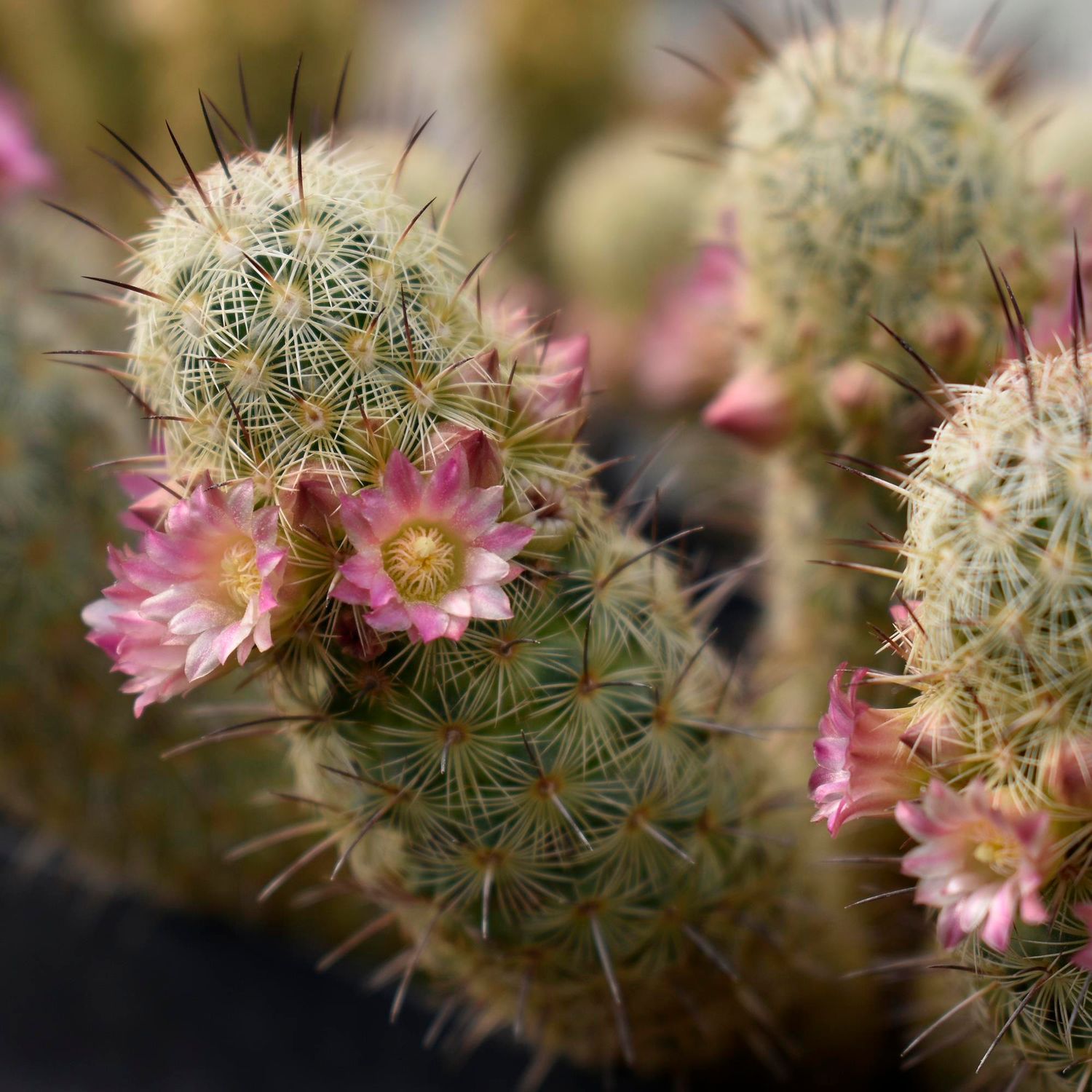
Mammillaria elongata albispinus rubriflora features slender, cylindrical stems that grow up to 6 inches (15 cm) tall and 1.5 inches (4 cm) in diameter, forming dense, trailing clumps. Its stems are adorned with white, radial spines that create a beautifully soft, fuzzy appearance. During the blooming season in spring, this variety produces stunning, deep red flowers that contrast dramatically with the white spines, adding vibrant color to its otherwise subtle form. These decorative clumps and stunning floral displays make it an ideal choice for rock gardens, containers, or indoor displays where they can cascade gracefully.
4. Conservation Status:
Mammillaria elongata and its varieties like albispinus rubriflora are not currently considered threatened or endangered. They are common in cultivation worldwide due to their popularity among collectors, ensuring their propagation and preservation outside of their natural habitats.
5. Care:
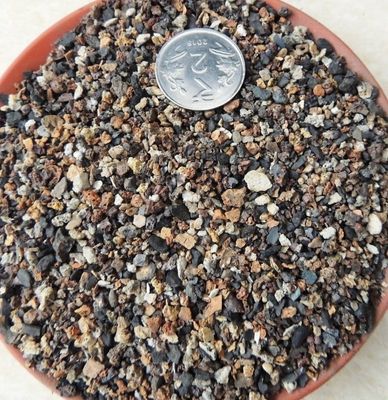
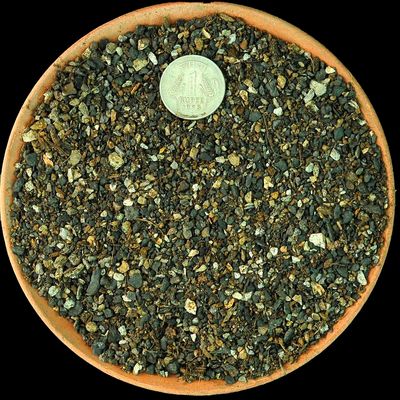
This cactus thrives in bright, direct sunlight, requiring around 4-6 hours of daily exposure for optimal growth. Use a well-draining cactus or succulent soil to prevent water retention. Water sparingly—allow the soil to dry out completely between watering, particularly during the dormant winter months. It prefers temperatures between 50°F and 85°F (10°C-29°C) and must be protected from frost. During the growing season, you can feed monthly with a diluted cactus fertilizer. Adequate drainage and airflow around the plant are essential to prevent rot and maintain its vibrant appearance.
Interesting Anecdote:
Known affectionately as the “Ladyfinger Cactus,” this charming plant captivates with its elongate, finger-like stems and the unexpected delight of vibrant red flowers. Its resilience and decorative allure make it a favorite choice for bringing the exotic touch of the Mexican desert into homes and gardens worldwide.