

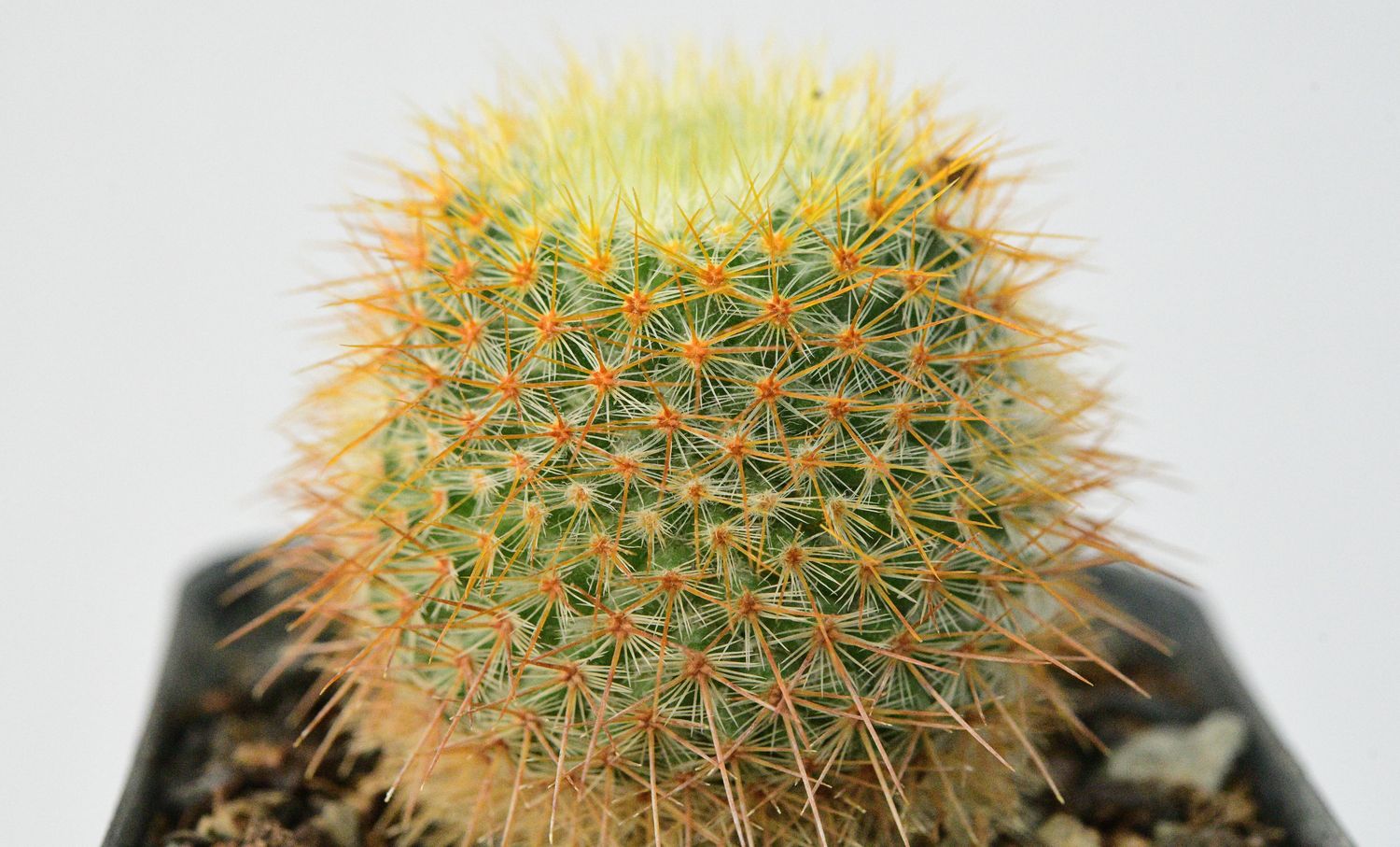
Mammillaria flavicentra ML 149
Product Details
Golden Halo Specialist: Mammillaria flavicentra ML 149
An exquisite specimen for the serious collector, featuring the dense, luminous golden spination characteristic of the documented Michel Lacoste field collection.
- Origin & History of Name: The genus name Mammillaria comes from the Latin mammilla, meaning "nipple" or "teat," referring to the tubercle structure of the plant.
- Morphology: This species is characterized by a globular to cylindrical epidermis covered in tightly packed tubercles. It possesses a high count of radial spines and 4–6 stiff, golden-yellow central spines that create a "halo" effect. Unlike many cacti, it does not have costae (ribs); instead, it produces woolly axils between the tubercles, from which small, ringed pinkish-red flowers emerge during the spring.
- Habitat & Origin: This is a wild species native to the arid regions of Oaxaca and Puebla, Mexico.
- Cultivation Profile:
- Substrate: Use a high-drainage mineral-based mix consisting of 80% volcanic rock, crushed brick, or coarse sand and 20% organic compost.
- Light: Thrives in full sun to very bright filtered light. In the Indian plains, morning sun is beneficial, but provide 30% shade cloth during the extreme heat of May and June to avoid yellowing the crown.
- Water/Dormancy: Follow a "soak and dry" method. During the Indian monsoon, keep the plant under a transparent roof to avoid ambient moisture rot. Maintain a dry dormancy from December to February to encourage spring flowering.
- Scientific/Historical Anecdote: The Mammillaria genus is one of the largest in the Cactaceae family, first described by Carl Linnaeus in 1753.
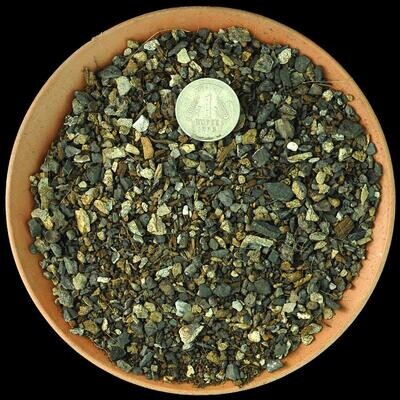
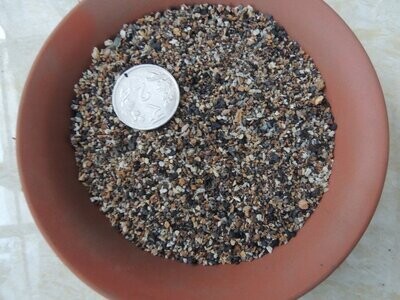
Cactus Seed Planting Mix
Cactus Seed Planting Mix
Sterile, Fine-Grain Media for Cactus & Succulent Seeds
SKU MNS005
₹70.51
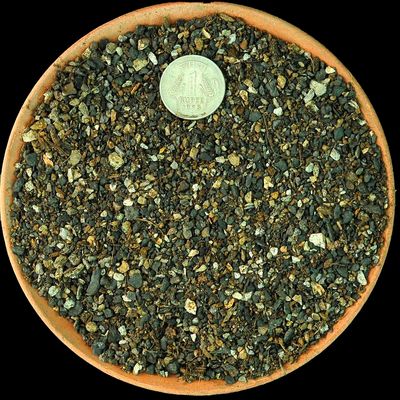
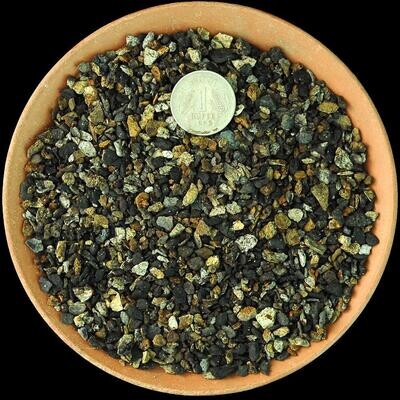
Cactus & Succulent Planting Mix COARSE (aka Cactus Soil Mix or Succulent Soil Mix)
Cactus & Succulent Planting Mix COARSE (aka Cactus Soil Mix or Succulent Soil Mix)
Washed, Free-Draining Mineral Mix for Cactus & Succulents
SKU MNS003
₹40.51