

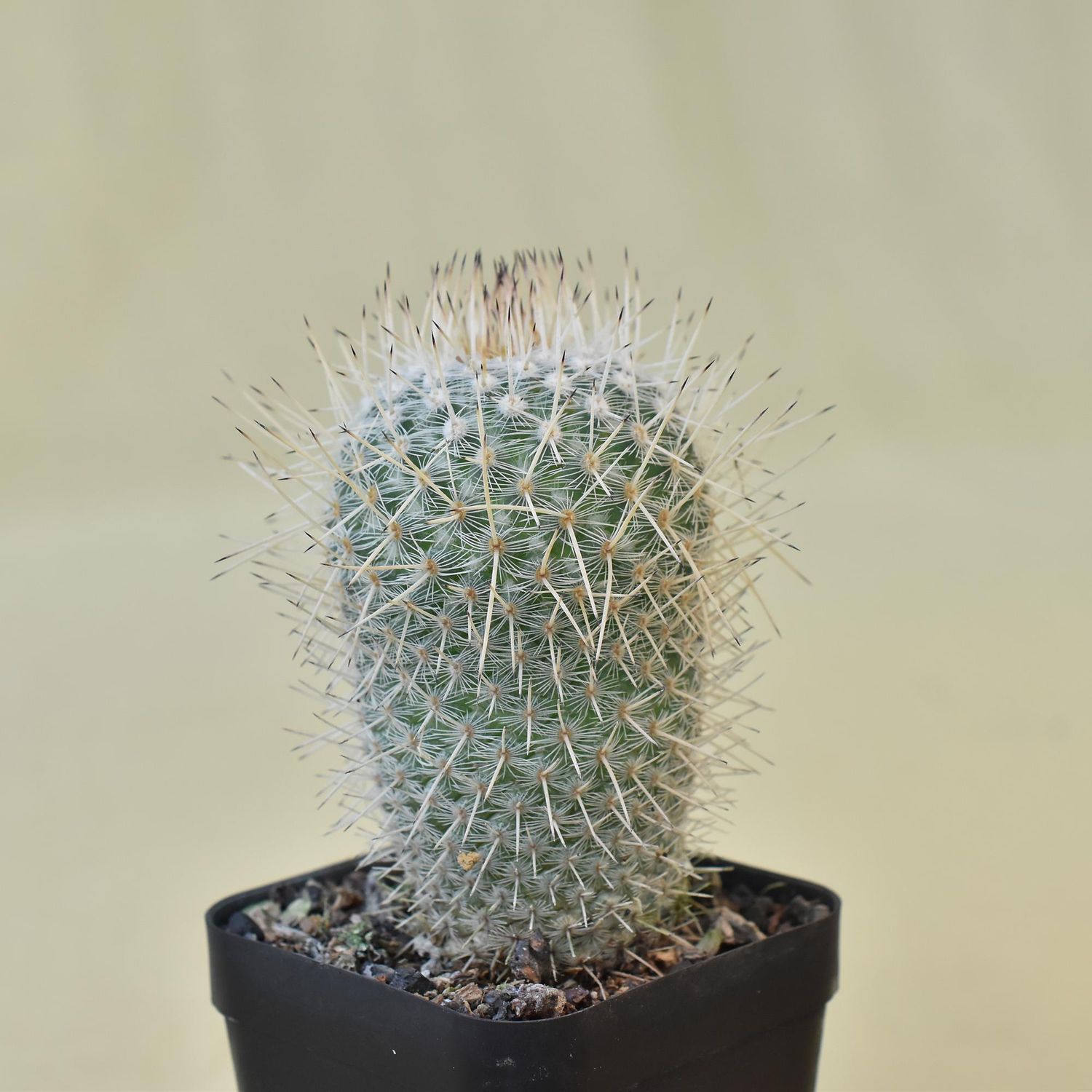
Mammillaria geminispina 'Nobilis'
Product Details
Silver-Spined Sentinel: Mammillaria geminispina 'Nobilis'
A regal architectural masterpiece, prized for its exceptionally long, luminous white spines and symmetrical clumping habit.
- Origin & History of Name: The genus name Mammillaria stems from the Latin mammilla, meaning "nipple" or "teat," referring to the tubercle-based structure of the plant body.
- Morphology: This cactus features a globose to cylindrical epidermis that offsets from the base to form tight mounds.
- Habitat & Origin: While the parent species Mammillaria geminispina is native to the high-altitude limestone hills of Hidalgo and San Luis Potosí, Mexico, 'Nobilis' is a stabilized cultivar selected for its superior spine length. Our specimens are nursery-propagated via offsets or seed, ensuring the protection of wild Mexican populations and promoting sustainable horticultural practices.
- Cultivation Profile:
- Substrate: Use a strictly mineral-based mix (50% volcanic pumice or grit, 25% coarse sand, 25% organic matter). Avoid standard garden soil which retains too much moisture in tropical humidity.
- Light: High-intensity light is required to maintain the bright white spine color. In India, provide full morning sun but utilize 30% shade cloth during peak May–June afternoons to prevent epidermal scorching.
- Water/Dormancy: Drench thoroughly when the substrate is completely bone-dry. During the monsoon, cease watering entirely if humidity is above 80%. In winter, enter a dry dormancy to trigger spring flowering.
- Scientific/Historical Anecdote: The Mammillaria genus was one of the first groups of cacti to reach Europe, with M. mammillaris being described by Linnaeus as early as 1753.
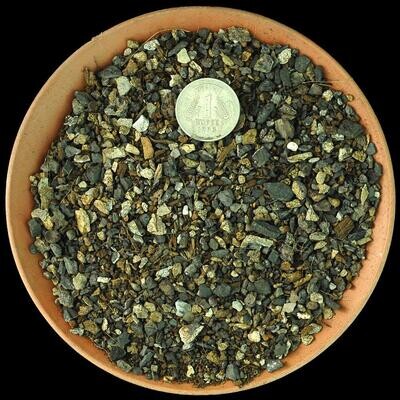
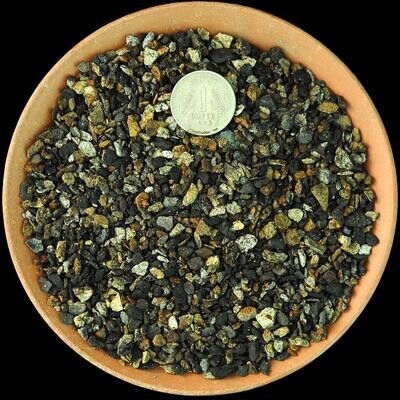
Cactus & Succulent Planting Mix COARSE (aka Cactus Soil Mix or Succulent Soil Mix)
Cactus & Succulent Planting Mix COARSE (aka Cactus Soil Mix or Succulent Soil Mix)
Washed, Free-Draining Mineral Mix for Cactus & Succulents
SKU MNS003
₹38.74
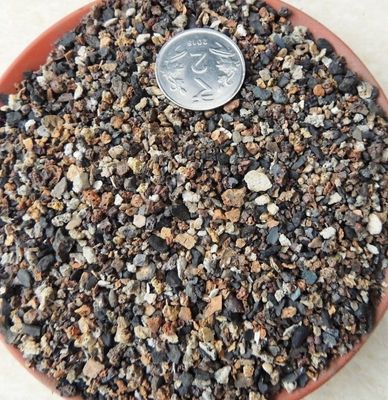
Cactus & Succulent Planting Mix FINE (aka Cactus Soil Mix or Succulent Soil Mix)
Cactus & Succulent Planting Mix FINE (aka Cactus Soil Mix or Succulent Soil Mix)
Fine-Grain Potting Mix for Cactus & Succulent Roots
SKU MNS001
₹33.74
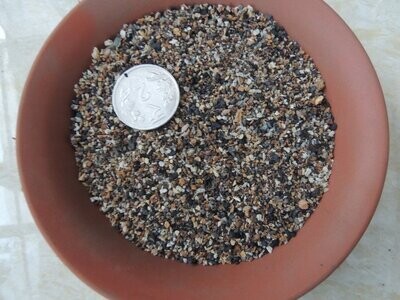
Cactus Seed Planting Mix
Cactus Seed Planting Mix
Sterile, Fine-Grain Media for Cactus & Succulent Seeds
SKU MNS005
₹66.35