

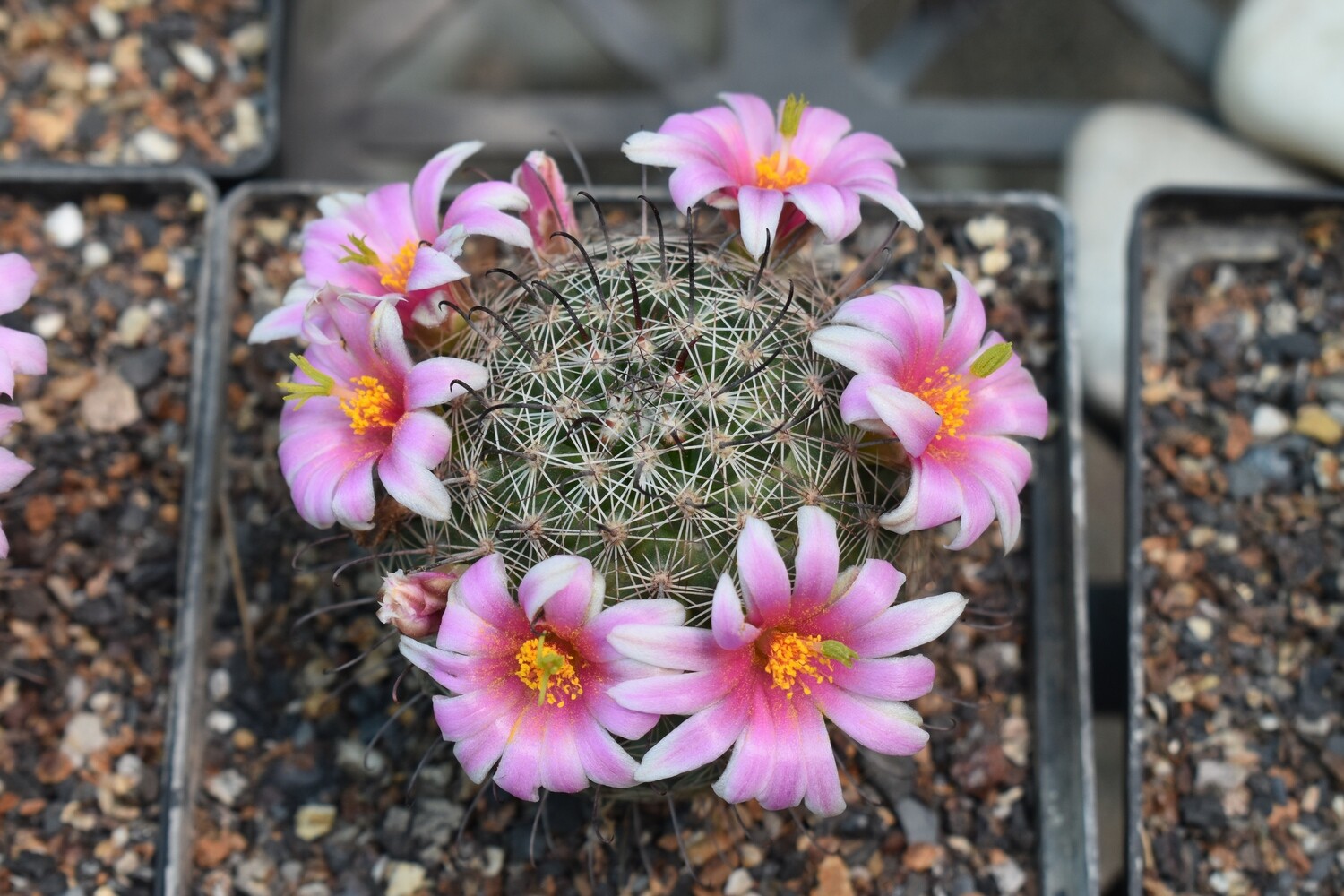
Mammillaria Grahamii Syn: Mammillaria Microcarpa
Product Details
Desert Fishhook: Mammillaria grahamii (Syn. M. microcarpa)
A striking Southwestern gem prized for its signature hooked spines and vibrant, crown-like floral displays.
- Origin & History of Name: The genus name Mammillaria comes from the Latin mammilla, meaning "nipple," referring to the tubercle structure of the plant.
This species was named by botanist George Engelmann in 1856 to honor James Duncan Graham, a colonel in the U.S. Army Corps of Topographical Engineers who collected plants during the United States and Mexican Boundary Survey. - Morphology: This cactus features a cylindrical or globose epidermis covered in prominent tubercles.
It is most distinguished by its central spines, which are dark and sharply hooked (uncinate), resembling miniature fishhooks. During the monsoon or growing season, it produces a ring of pink to lavender funnelform flowers near the meristem (apex), followed by small, fleshy red fruits. - Habitat & Origin: This is a wild species native to the arid regions of the Sonoran and Chihuahuan Deserts, spanning the Southwestern United States and Northern Mexico.
These specimens are ethically sourced through sustainable nursery propagation to protect wild populations from over-harvesting. - Cultivation Profile:
- Substrate: Use a strictly mineral-based mix. A ratio of 70% inorganic material (pumice, perlite, or crushed brick) to 30% organic matter is ideal to prevent root rot in humid Indian climates.
- Light: Thrives in bright, indirect sunlight. In the Indian subcontinent, provide afternoon shade during peak summer (April–June) to prevent epidermal scorching.
- Water/Dormancy: Water deeply only when the medium is completely bone-dry.
Practice strict winter dormancy from November to February by withholding water entirely to mimic its natural desert cycle and encourage spring blooming.
- Scientific/Historical Anecdote: Native American tribes, specifically the Seri people of Sonora, historically utilized the small red fruits of Mammillaria grahamii as a food source. Beyond nutrition, the hooked spines were occasionally used as functional fishhooks for catching small fish, demonstrating a rare intersection of botanical morphology and human survival technology.
New
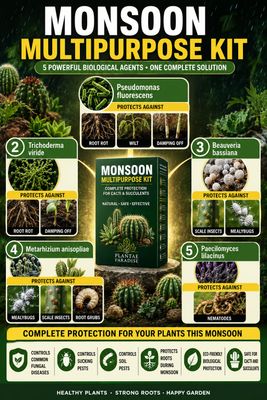
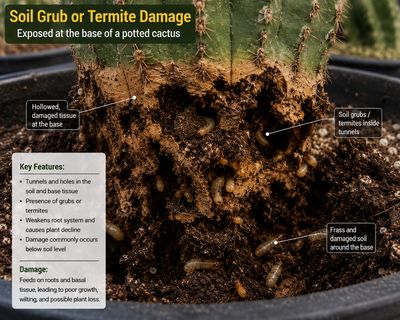
Monsoon Guardian Kit (5 in 1)
Monsoon Guardian Kit (5 in 1)
Complete 5-in-1 biological protection kit for cacti & succulents
SKU MNS024
₹850.00
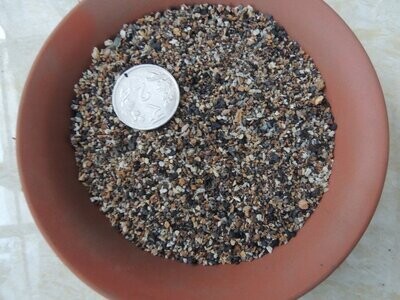
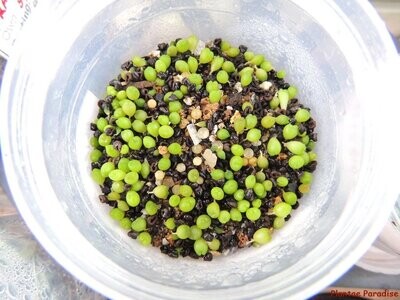
Cactus Seed Planting Mix
Cactus Seed Planting Mix
Sterile, Fine-Grain Media for Cactus & Succulent Seeds
SKU MNS005
₹74.85
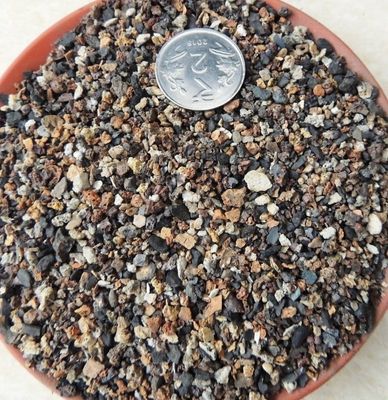
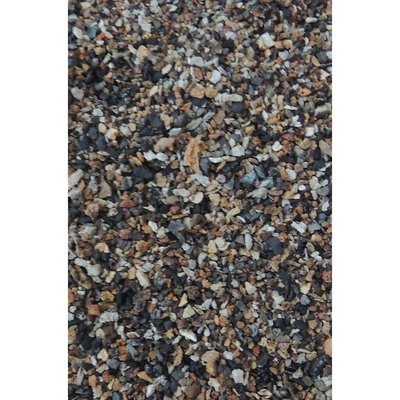
Cactus & Succulent Planting Mix FINE (aka Cactus Soil Mix or Succulent Soil Mix)
Cactus & Succulent Planting Mix FINE (aka Cactus Soil Mix or Succulent Soil Mix)
Fine-Grain Potting Mix for Cactus & Succulent Roots
SKU MNS001
₹39.85
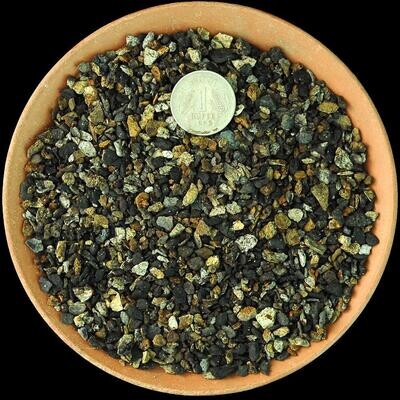
Cactus & Succulent Planting Mix COARSE (aka Cactus Soil Mix or Succulent Soil Mix)
Cactus & Succulent Planting Mix COARSE (aka Cactus Soil Mix or Succulent Soil Mix)
Washed, Free-Draining Mineral Mix for Cactus & Succulents
SKU MNS003
₹44.85