

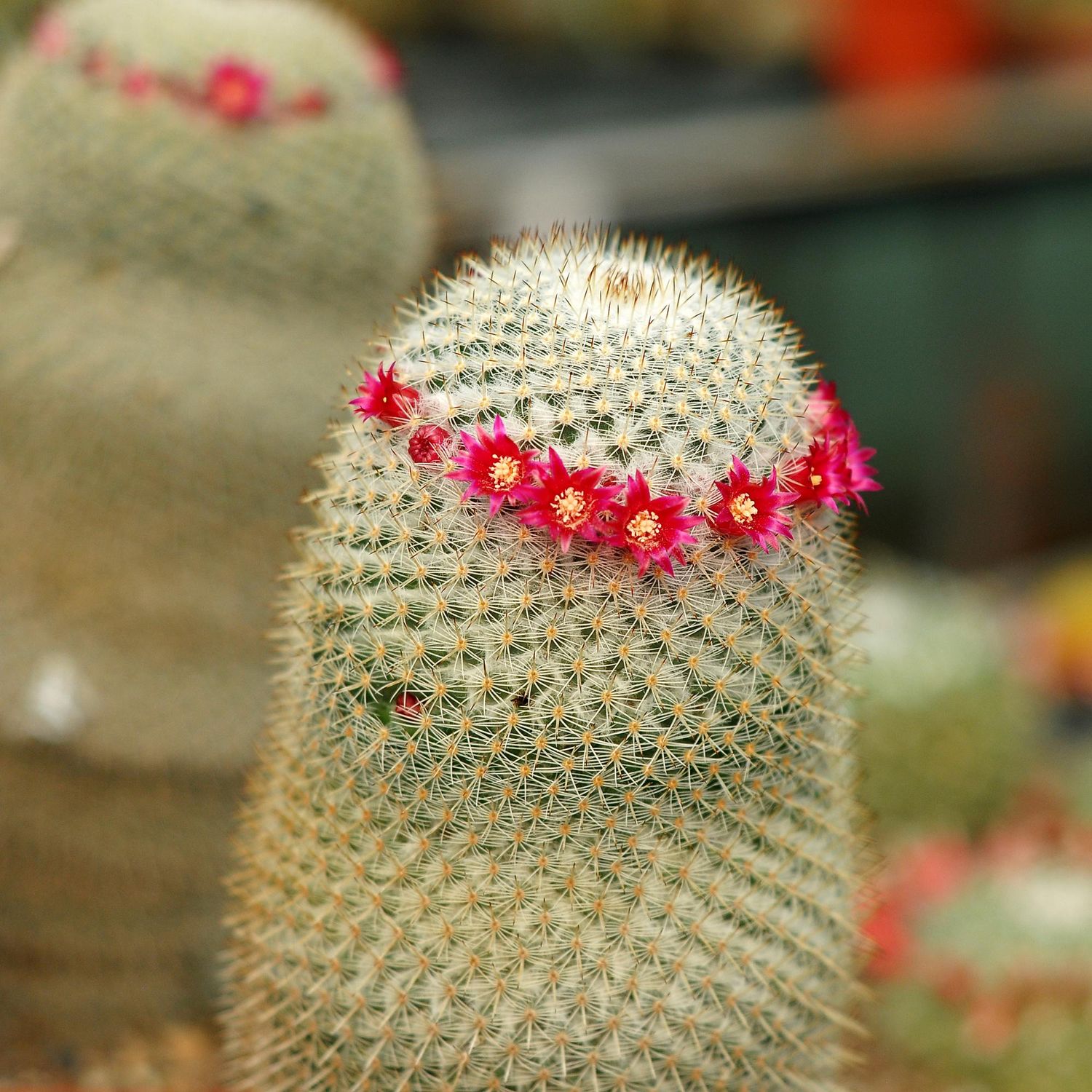
Mammillaria haageana Subsp. haageana
Product Details
Geometric Perfection: Mammillaria haageana Subsp. haageana
A timeless Mexican classic prized for its symmetrical spination and dependable rings of vivid magenta blooms.
- Origin & History of Name: The genus name Mammillaria derives from the Latin mammilla, meaning "nipple" or "teat," referring to the tubercle-based structure of the plant.
The specific epithet haageana honors Friedrich Adolph Haage, a prominent 19th-century German nurseryman and cacti specialist from the famous Haage dynasty in Erfurt. - Morphology: This subspecies features a solitary, globose to cylindrical epidermis densely covered in short, needle-like radial spines. It is characterized by its distinct tubercles (the "bumps" on the plant body) which do not contain milky sap (latex), unlike some other members of the genus. Its most striking feature is the sub-apical cephalium—a ring of wool and bristles near the top from which small, purplish-pink flowers emerge in a perfect halo.
- Habitat & Origin: This is a wild species native to the high-altitude regions of Southern Mexico, specifically Puebla, Oaxaca, and Veracruz.
Our specimens are nursery-grown via sustainable propagation practices to ensure the conservation of wild Mexican populations. - Cultivation Profile:
- Substrate: Use a strictly mineral-based mix (50% crushed expanded clay or pumice, 25% coarse silica sand, and 25% organic compost). Avoid standard potting soil which retains too much humidity in Indian climates.
- Light: Thrives in bright, filtered sunlight. In the Indian summer, provide 40-50% shade cloth protection during peak afternoon hours (12 PM – 4 PM) to prevent epidermal scorching.
- Water/Dormancy: Water deeply only when the substrate is completely dry.
During the monsoon and winter dormancy, withhold water almost entirely to prevent root rot caused by high ambient humidity.
- Scientific/Historical Anecdote: Mammillaria haageana is part of a complex group of cacti that has undergone numerous taxonomic reclassifications. For decades, many of its variations were considered separate species, but modern DNA sequencing has grouped them under this single, highly variable "superspecies," showcasing the incredible adaptability of the genus across different Mexican microclimates.

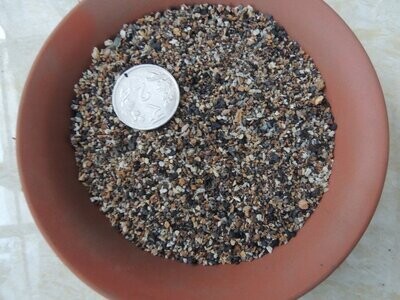
Cactus & Succulent Planting Mix COARSE (aka Cactus Soil Mix or Succulent Soil Mix)
Cactus & Succulent Planting Mix COARSE (aka Cactus Soil Mix or Succulent Soil Mix)
Washed, Free-Draining Mineral Mix for Cactus & Succulents
SKU MNS003
₹44.85


Cactus & Succulent Planting Mix FINE (aka Cactus Soil Mix or Succulent Soil Mix)
Cactus & Succulent Planting Mix FINE (aka Cactus Soil Mix or Succulent Soil Mix)
Fine-Grain Potting Mix for Cactus & Succulent Roots
SKU MNS001
₹39.85
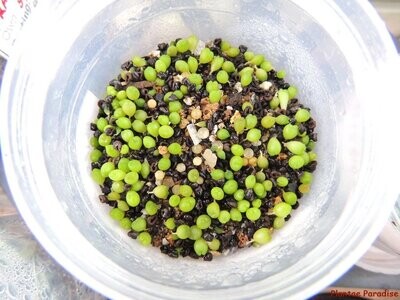
Cactus Seed Planting Mix
Cactus Seed Planting Mix
Sterile, Fine-Grain Media for Cactus & Succulent Seeds
SKU MNS005
₹74.85
New
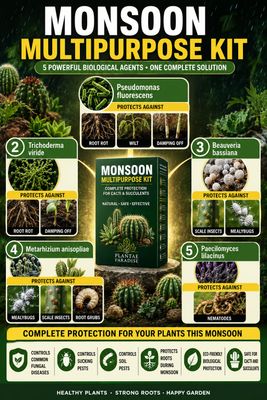
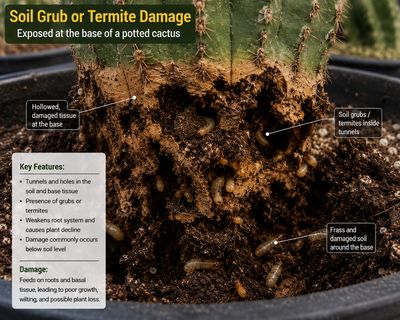
Monsoon Guardian Kit (5 in 1)
Monsoon Guardian Kit (5 in 1)
Complete 5-in-1 biological protection kit for cacti & succulents
SKU MNS024
₹850.00