

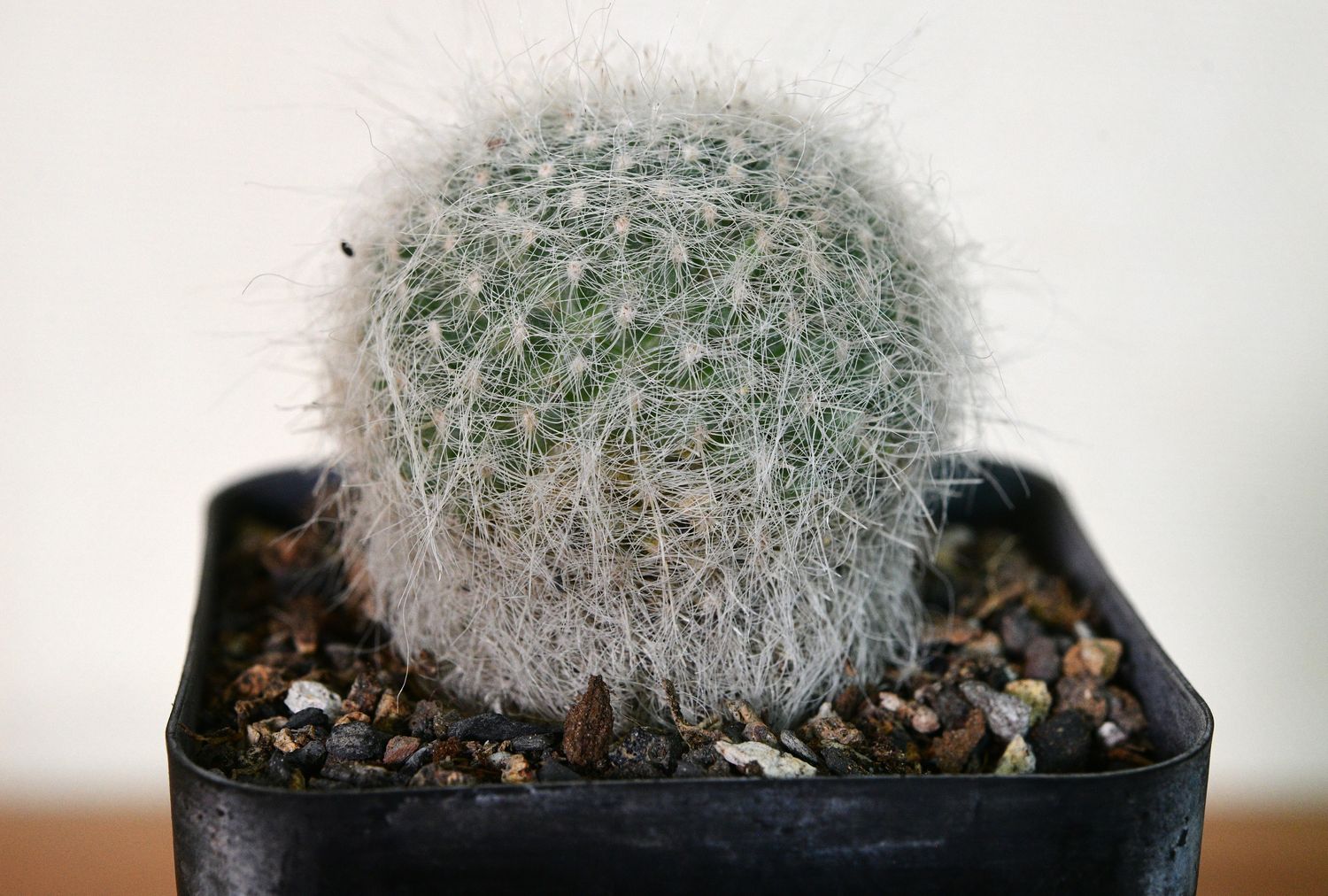
Mammillaria hahniana var. superba
Product Details
The Old Lady Cactus: Mammillaria hahniana var. superba
A prized collector’s specimen distinguished by its dense, snowy-white shroud of long, silken bristles.
- Origin & History of Name: The genus name Mammillaria derives from the Latin mammilla (nipple/teat), referring to the characteristic tubercle structures.
The species honors German cactus enthusiast Adolf Hahn. The varietal name superba is Latin for "proud" or "superb," signifying this specific variety’s superior, more prolific hair growth compared to the standard species. - Morphology: This globose cactus features a light green epidermis almost entirely obscured by long, white axillary bristles and flexible radial spines. Unlike many cacti with continuous costae (ribs), it grows in distinct tubercles.
It is celebrated for its "halo" effect—a ring of small, vivid magenta flowers that emerge from the upper felted area of the plant. - Habitat & Origin: While the base species is native to the high-altitude regions of Guanajuato and Querétaro, Mexico, the superba variety is a selected cultivar refined for its enhanced woolly appearance. Our specimens are nursery-propagated via sustainable practices, ensuring no impact on wild Mexican populations.
- Cultivation Profile:
- Substrate: A strictly mineral-based mix (60% grit/pumice, 40% organic matter). Avoid standard garden soil which retains too much moisture for Indian humidity.
- Light: Requires bright, filtered sunlight. In the Indian subcontinent, provide 40-50% shade during peak summer afternoons to prevent epidermal scorching.
- Water/Dormancy: Water thoroughly only when the medium is bone-dry. During the monsoon and winter dormancy, withhold water almost entirely to prevent root rot in high ambient humidity.
- Scientific/Historical Anecdote: The "white hair" on this plant is a sophisticated evolutionary adaptation. These modified spines act as a natural sunscreen, reflecting intense UV radiation and creating a thin layer of still air around the plant body to reduce moisture loss through evaporation in its arid native climate.
New
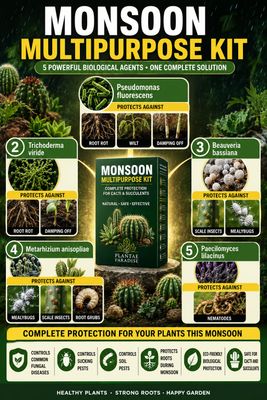
Monsoon Guardian Kit (5 in 1)
Monsoon Guardian Kit (5 in 1)
Complete 5-in-1 biological protection kit for cacti & succulents
SKU MNS024
₹850.00
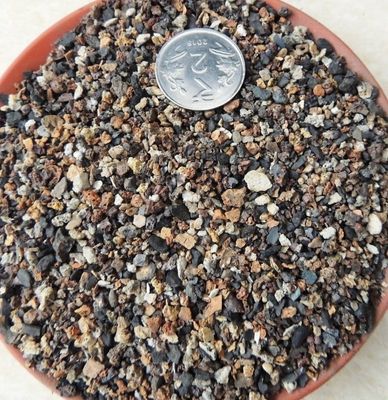
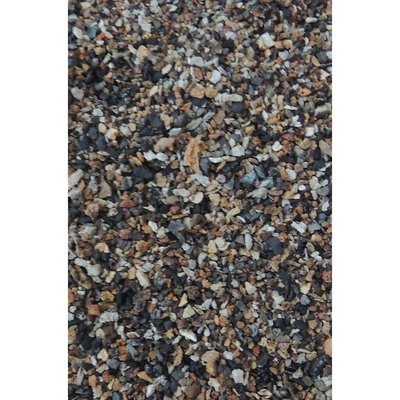
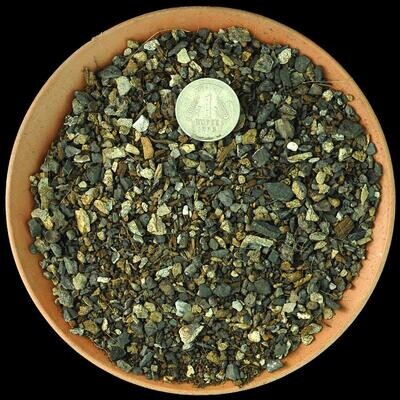
Cactus & Succulent Planting Mix FINE (aka Cactus Soil Mix or Succulent Soil Mix)
Cactus & Succulent Planting Mix FINE (aka Cactus Soil Mix or Succulent Soil Mix)
Fine-Grain Potting Mix for Cactus & Succulent Roots
SKU MNS001
₹39.85

Cactus & Succulent Planting Mix COARSE (aka Cactus Soil Mix or Succulent Soil Mix)
Cactus & Succulent Planting Mix COARSE (aka Cactus Soil Mix or Succulent Soil Mix)
Washed, Free-Draining Mineral Mix for Cactus & Succulents
SKU MNS003
₹44.85