

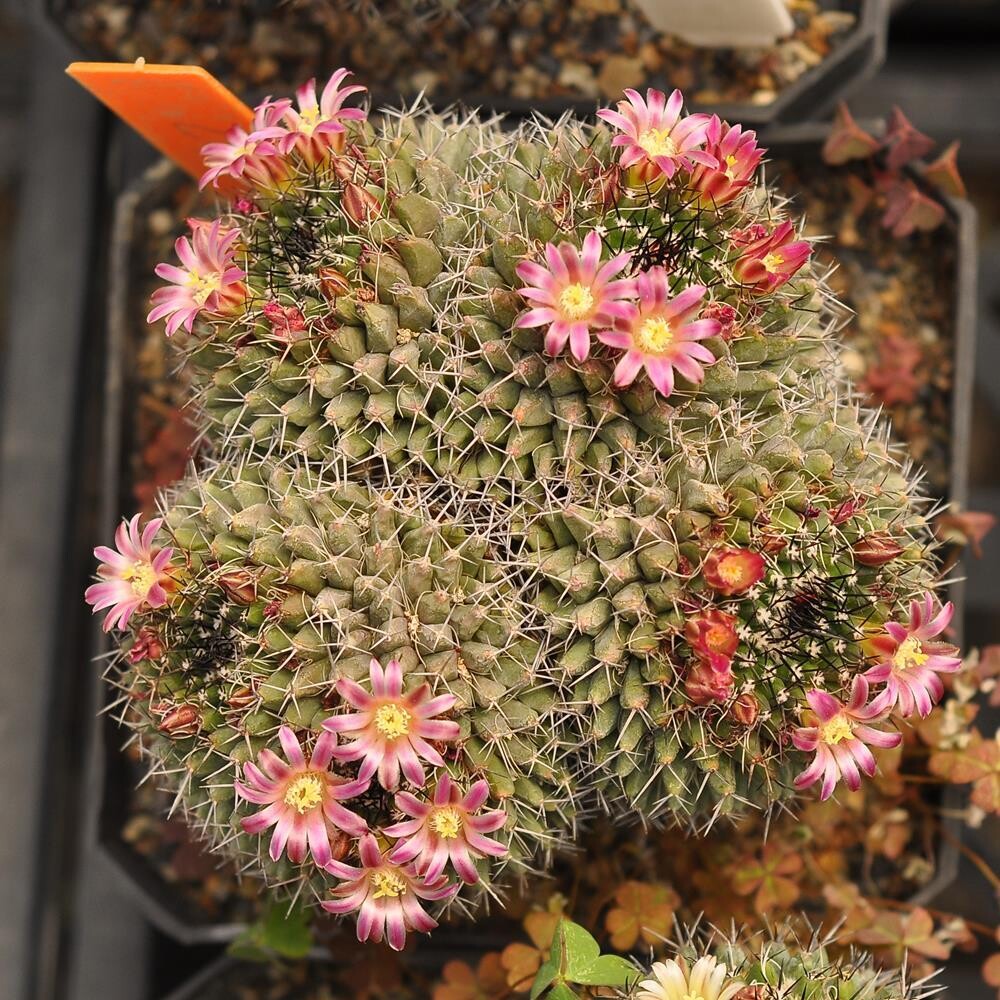
Mammillaria kewensis
Product Details
Crown of the Royal Garden: Mammillaria kewensis
A classic globose treasure prized for its symmetrical geometry and halo of vibrant crimson blooms.
- Origin & History of Name: The genus name Mammillaria comes from the Latin mammilla, meaning "nipple" or "teat," referring to the distinct tubercle structures.
- Morphology: This cactus features a dark green epidermis arranged in spiraling tubercles (nodules) rather than traditional ribs.
- Habitat & Origin: This is a wild species native to the rocky landscapes of Querétaro and Hidalgo in Mexico. It grows at high altitudes on limestone outcrops.
- Cultivation Profile:
- Substrate: Requires a highly porous mineral-based mix (coarse sand, grit, and volcanic rock) with minimal organic content to ensure rapid drainage.
- Light: Thrives in full sun to bright filtered light.
- Water/Dormancy: Water sparingly during the growing season only when the medium is bone-dry.
- Scientific/Historical Anecdote: Mammillaria is one of the largest and most beloved genera in the Cactaceae family, first established by Carolus Linnaeus in 1753. M. kewensis is often grouped within the Mammillaria magnimamma complex—a group of cacti famous for their "milky" sap (latex) that oozes from the plant if punctured, a biological defense mechanism against desert herbivores.
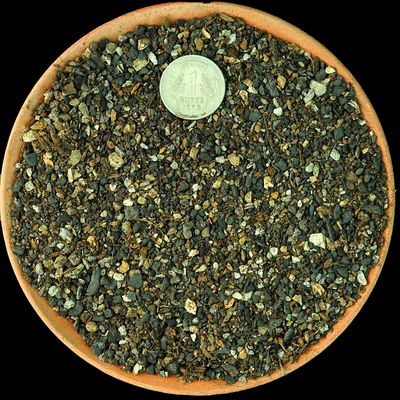
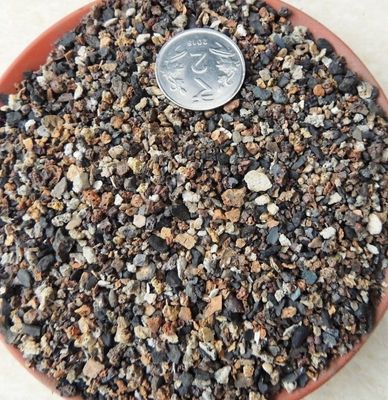
Cactus & Succulent Planting Mix FINE (aka Cactus Soil Mix or Succulent Soil Mix)
Cactus & Succulent Planting Mix FINE (aka Cactus Soil Mix or Succulent Soil Mix)
Fine-Grain Potting Mix for Cactus & Succulent Roots
SKU MNS001
₹33.74
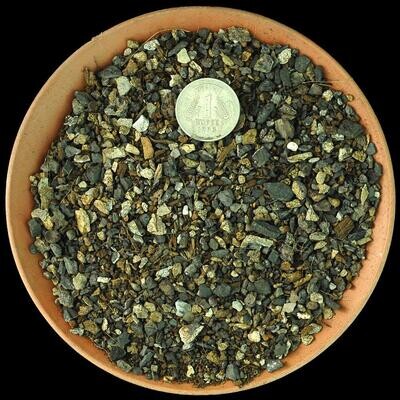
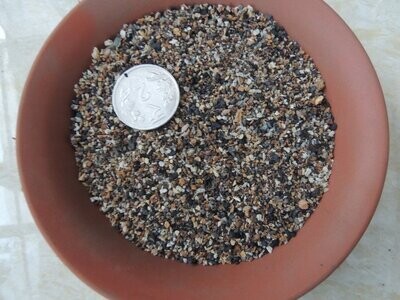
Cactus Seed Planting Mix
Cactus Seed Planting Mix
Sterile, Fine-Grain Media for Cactus & Succulent Seeds
SKU MNS005
₹66.35