

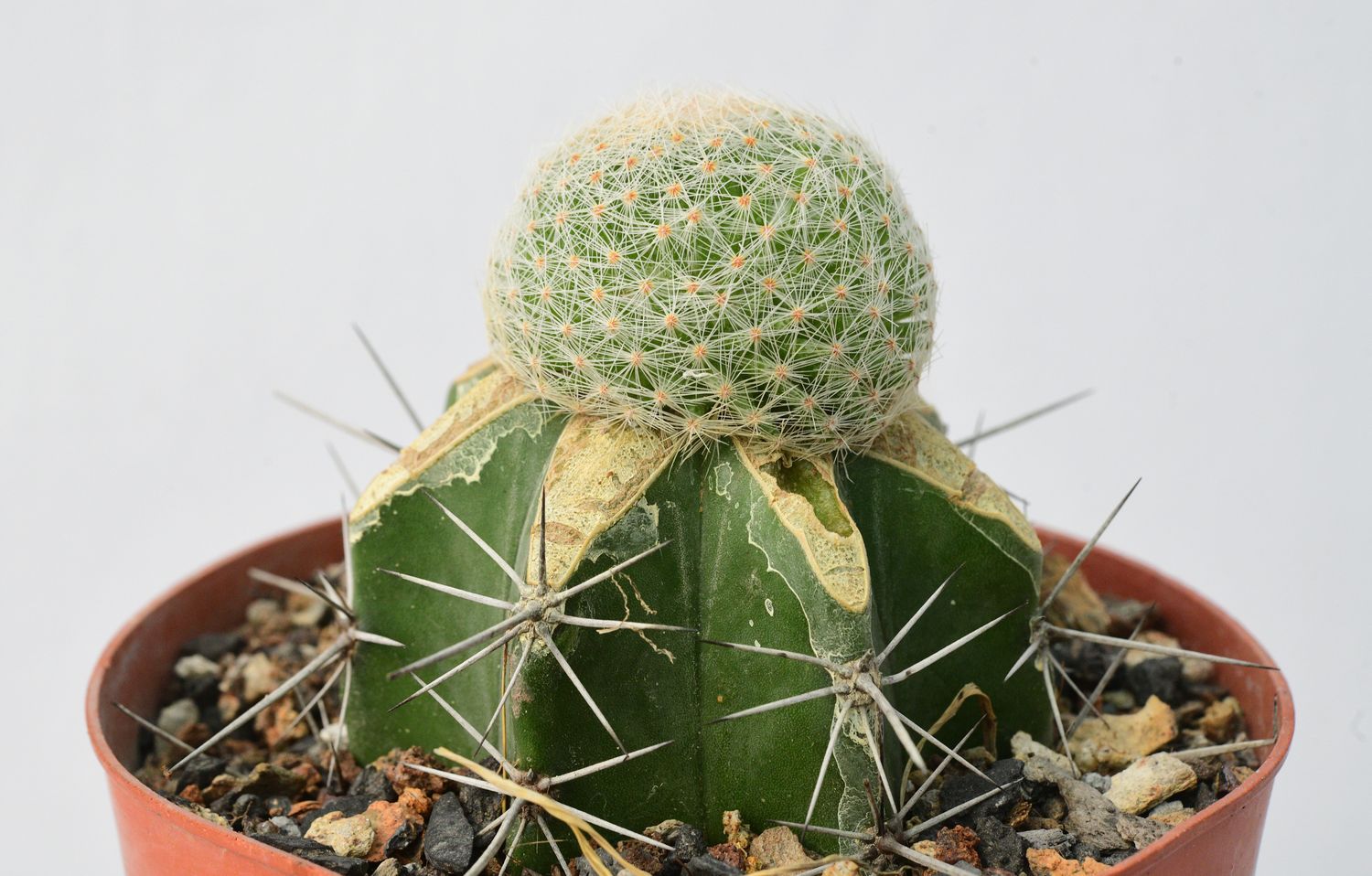
Mammillaria lenta
Product Details
The Porcelain Pincushion: Mammillaria lenta
A masterclass in geometric elegance, this rare slow-grower is a coveted jewel for the discerning succulent collector.
- Origin & History of Name: The species was first described by German botanist Alwin Berger in 1929. The specific epithet lenta is derived from the Latin word for "tough," "pliant," or "slow," referring both to the resilient nature of its flexible spines and its notoriously slow growth rate compared to other members of the genus.
- Morphology: This cactus features a globose (spherical) to depressed-spherical epidermis that eventually offsets to form dense, low-growing mounds. It is unique for its incredibly dense covering of nearly 40 radial spines per areole, which are white to pale yellow and give the plant a woolly, "porcelain" appearance. Unlike many cacti, it lacks central spines. Between the tubercles (the small bumps on the body), it produces thick white wool and delicate, daisy-like white to pink-striped flowers.
- Habitat & Origin: This is a wild species endemic to the limestone cliffs of Coahuila, Mexico. It grows in extreme, arid conditions tucked into rock crevices.
Our specimens are ethically nursery-propagated from seed to ensure the protection of wild populations and long-term sustainability. - Cultivation Profile:
- Substrate: Use a strictly mineral-based mix (70% grit/pumice/perlite and 30% organic matter). In the Indian climate, avoid heavy peat to prevent root rot.
- Light: Requires bright, indirect sunlight or filtered morning sun. In peak Indian summers (April–June), provide 50% shade cloth to prevent scorching the white epidermis.
- Water/Dormancy: Water deeply only when the medium is bone-dry. During the monsoon and winter, withhold water almost entirely as the plant enters dormancy; high humidity in India means the plant requires very little supplemental moisture during these periods.
- Scientific/Historical Anecdote: While most Mammillaria are known for their rapid "pup" production, M. lenta is one of the few species that undergoes dichotomous branching. Instead of just growing side offsets, the main growing point (apex) actually splits into two, a relatively rare botanical phenomenon that results in perfectly symmetrical, twin-headed specimens over many decades.
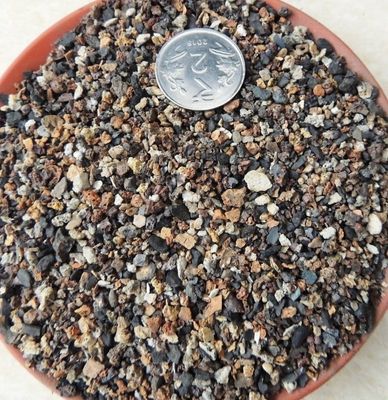

Cactus & Succulent Planting Mix FINE (aka Cactus Soil Mix or Succulent Soil Mix)
Cactus & Succulent Planting Mix FINE (aka Cactus Soil Mix or Succulent Soil Mix)
Fine-Grain Potting Mix for Cactus & Succulent Roots
SKU MNS001
₹39.85
New


Monsoon Guardian Kit (5 in 1)
Monsoon Guardian Kit (5 in 1)
Complete 5-in-1 biological protection kit for cacti & succulents
SKU MNS024
₹850.00
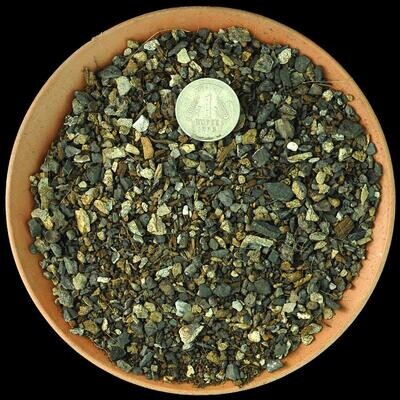
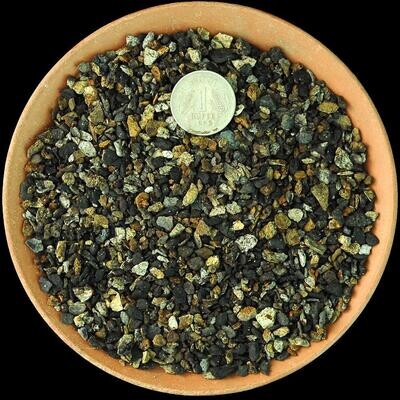
Cactus & Succulent Planting Mix COARSE (aka Cactus Soil Mix or Succulent Soil Mix)
Cactus & Succulent Planting Mix COARSE (aka Cactus Soil Mix or Succulent Soil Mix)
Washed, Free-Draining Mineral Mix for Cactus & Succulents
SKU MNS003
₹44.85