

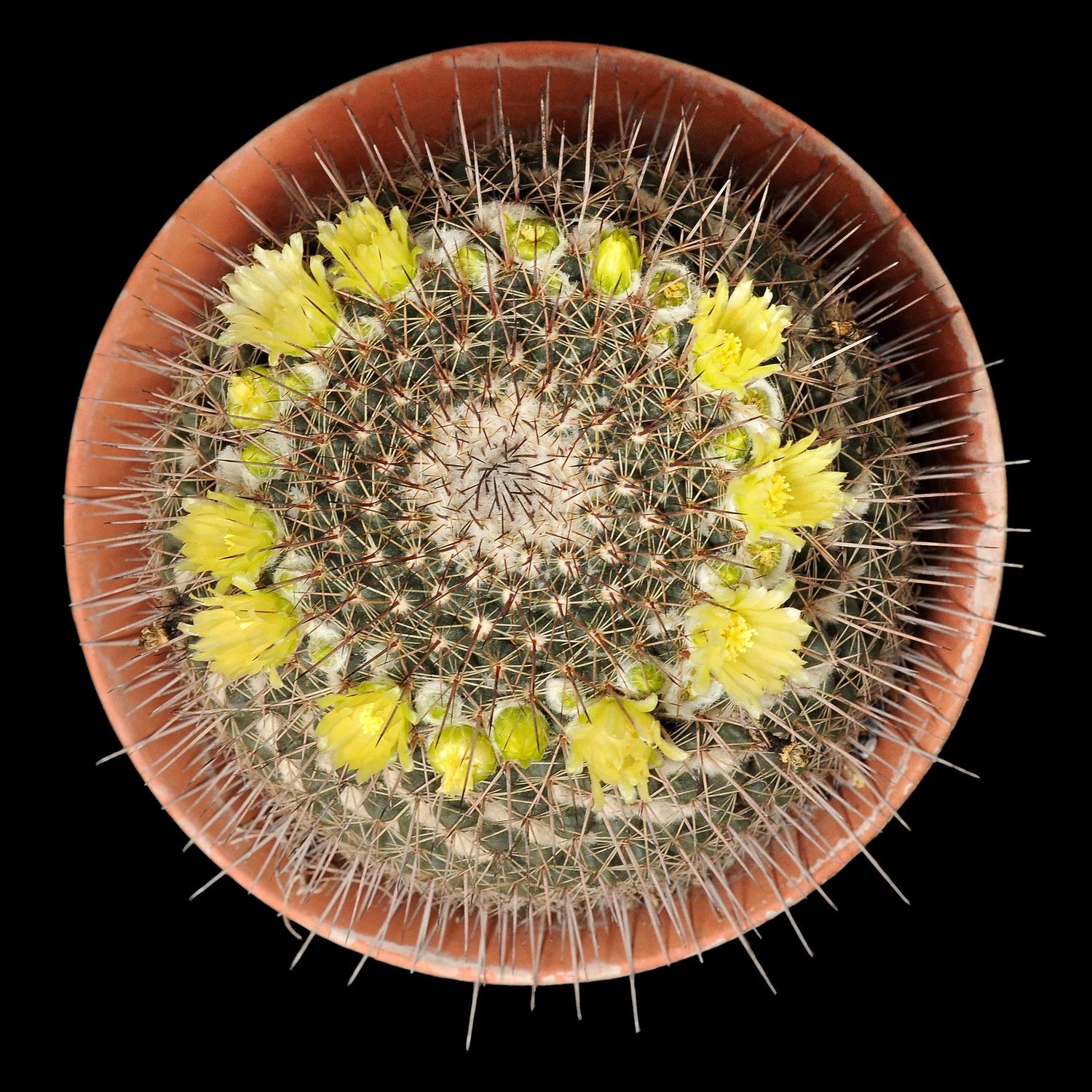
Mammillaria Lindsayi Syn Mammillaria Standleyi
Product Details
Golden Crown Specialist: Mammillaria lindsayi (Syn. M. standleyi)
A ruggedly beautiful specimen featuring a dense lattice of golden spines and a crown of vibrant floral rings.
- Origin & History of Name: The genus name Mammillaria comes from the Latin mammilla (nipple or teat), referring to the characteristic tubercles that cover the plant's body.
This species was named by botanist George Lindsay in 1940 to honor his own discovery, though it is often taxonomically linked or synonymized with Mammillaria standleyi, named after Paul C. Standley, an influential 20th-century American botanist specializing in Central American flora. - Morphology: This cactus possesses a globular to short-cylindrical epidermis covered in firm, pyramidal tubercles. It is distinguished by its dense axils filled with white wool and bristles. The plant features a complex radial spine arrangement, often topped with 2–4 central spines that give it a golden or reddish-brown hue. Its flowers are small, bell-shaped, and usually appear in a perfect circular ring near the apex (top) of the plant.
- Habitat & Origin: This is a wild species native to the rugged terrain of Sierra Madre Occidental in Mexico (specifically Sonora, Chihuahua, and Sinaloa).
It grows at high elevations on rocky slopes. All our plants are propagated through nursery-grown seeds and offsets to promote sustainable trade and protect wild Mexican populations from poaching. - Cultivation Profile:
- Substrate: Requires a porous mineral-based mix (coarse sand, grit, and perlite with minimal peat). In the Indian subcontinent, avoid clay-heavy soils that retain moisture during high humidity.
- Light: Thrives in full sun to light shade. In North India, provide intense light to keep spine growth dense, but use a shade net during peak May-June heatwaves.
- Water/Dormancy: Water sparingly from March to October once the medium is dry. During the monsoon, ensure excellent air circulation to prevent rot. In winter, maintain a dry dormancy period to encourage spring flowering.
- Scientific/Historical Anecdote: Members of the Mammillaria genus were among the first cacti to be imported to Europe in the 1700s. A unique biological trait of this species is that its flowers emerge from the axils (the "valleys" between the bumps), whereas most other cacti flower from the areoles (the "peaks"). This creates the distinctive "flower crown" effect that makes the genus a staple for collectors.
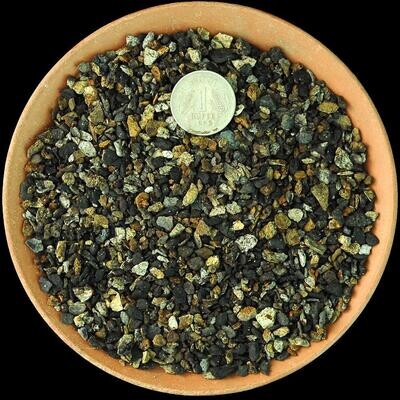
Cactus & Succulent Planting Mix COARSE (aka Cactus Soil Mix or Succulent Soil Mix)
Cactus & Succulent Planting Mix COARSE (aka Cactus Soil Mix or Succulent Soil Mix)
Washed, Free-Draining Mineral Mix for Cactus & Succulents
SKU MNS003
₹44.85
New

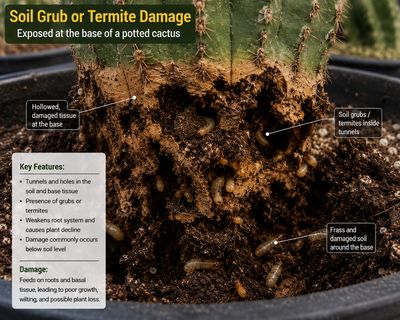
Monsoon Guardian Kit (5 in 1)
Monsoon Guardian Kit (5 in 1)
Complete 5-in-1 biological protection kit for cacti & succulents
SKU MNS024
₹850.00
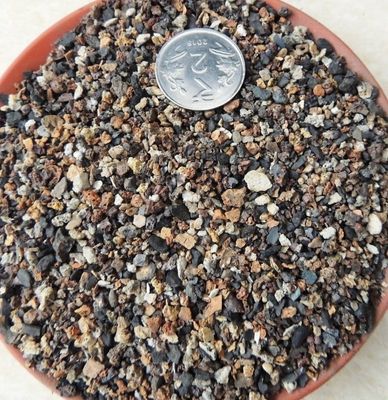

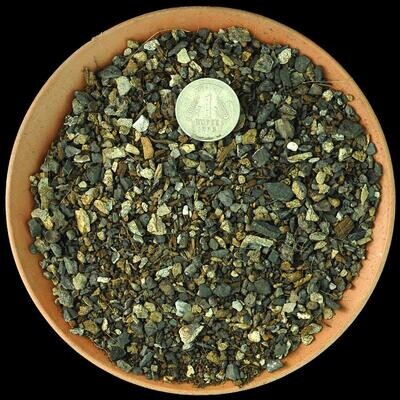
Cactus & Succulent Planting Mix FINE (aka Cactus Soil Mix or Succulent Soil Mix)
Cactus & Succulent Planting Mix FINE (aka Cactus Soil Mix or Succulent Soil Mix)
Fine-Grain Potting Mix for Cactus & Succulent Roots
SKU MNS001
₹39.85