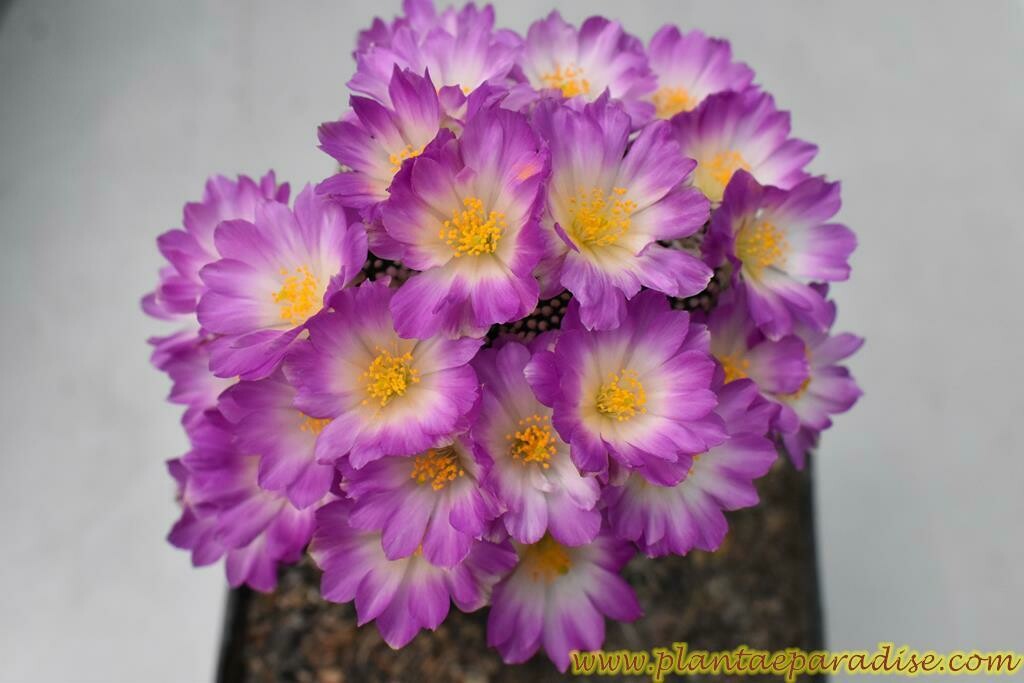
Mammillaria luethyi
Product Details
Geometric Perfection: Mammillaria luethyi
A crown jewel of cacticulture, this miniature marvel is coveted for its unique flattened tubercles and spectacular, oversized violet blooms.
- Origin & History of Name: The genus name Mammillaria derives from the Latin mammilla (nipple or teat), referring to the characteristic tubercle-covered body.
- Morphology: Unlike most cacti, M. luethyi lacks prominent ribs (costae). Instead, its epidermis is composed of cylindrical tubercles topped with flattened, umbrella-like clusters of radiating, white pectinate spines. These spines are so dense and tiny they resemble micro-flowers. The plant is a geophyte, meaning it has a large subterranean taproot and a relatively small, dark green aerial body that barely crests the soil surface in its natural state.
- Habitat & Origin: This is a wild species endemic to a very restricted area in the state of Coahuila, Mexico.
- Cultivation Profile:
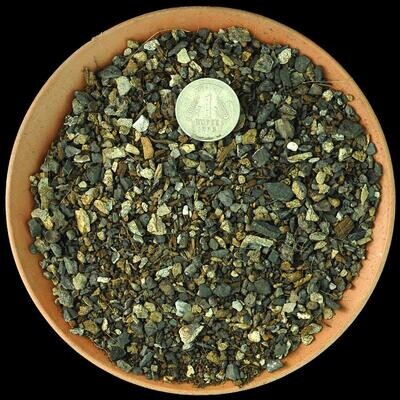
- Substrate: Requires an ultra-porous, mineral-heavy substrate (90% crushed stone, pumice, or baked clay). In the Indian subcontinent, avoid any peat or coco-peat to prevent moisture retention during high humidity.
- Light: Thrives in bright, indirect sunlight.
- Water/Dormancy: Extremely sensitive to overwatering.
- Scientific/Historical Anecdote: For decades after its initial sighting, Mammillaria luethyi was considered a "mythical" plant because its exact location was lost to science. It wasn't until the 1990s that it was rediscovered growing in cracks of solid limestone, where it is so well-camouflaged that it is virtually invisible to the naked eye unless it is in full, vibrant bloom.
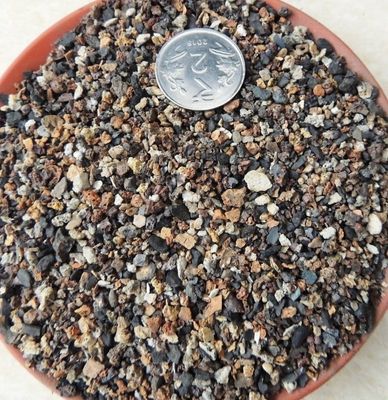
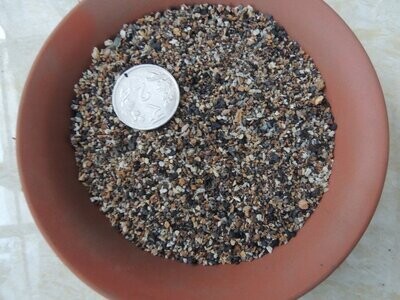
Cactus & Succulent Planting Mix FINE (aka Cactus Soil Mix or Succulent Soil Mix)
Cactus & Succulent Planting Mix FINE (aka Cactus Soil Mix or Succulent Soil Mix)
Fine-Grain Potting Mix for Cactus & Succulent Roots
SKU MNS001
₹39.85
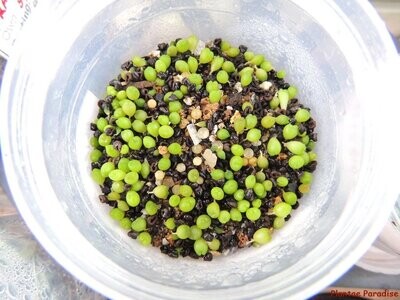
Cactus Seed Planting Mix
Cactus Seed Planting Mix
Sterile, Fine-Grain Media for Cactus & Succulent Seeds
SKU MNS005
₹74.85
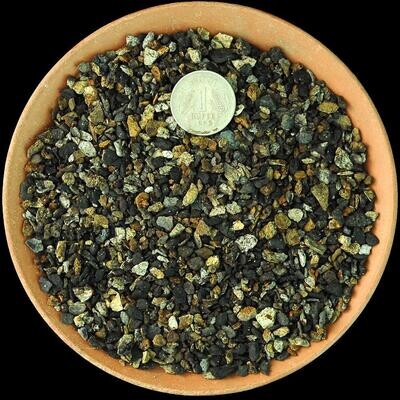
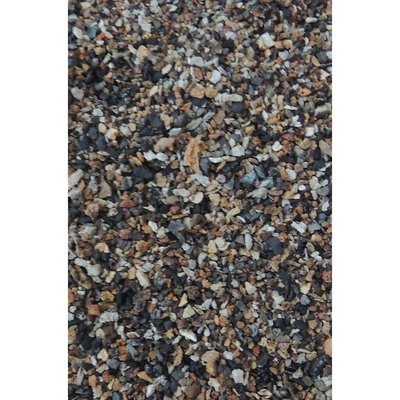
Cactus & Succulent Planting Mix COARSE (aka Cactus Soil Mix or Succulent Soil Mix)
Cactus & Succulent Planting Mix COARSE (aka Cactus Soil Mix or Succulent Soil Mix)
Washed, Free-Draining Mineral Mix for Cactus & Succulents
SKU MNS003
₹44.85